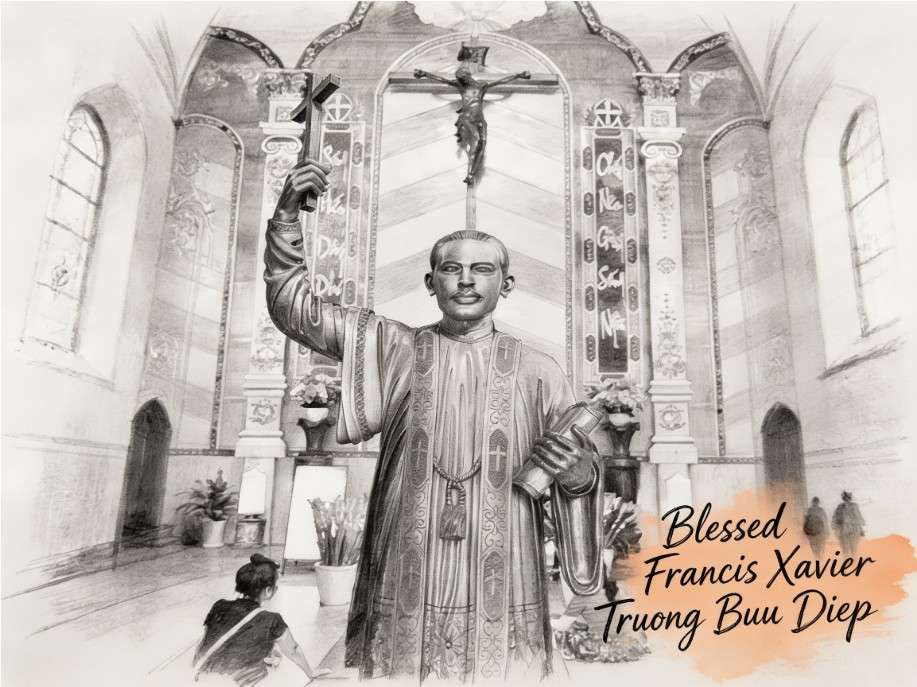
Can a priest who died nearly eighty years ago in a rice paddy in the Mekong Delta still shape the prayer life of people scrolling through their phones today? For millions of Vietnamese Catholics, and increasingly for people well outside the Catholic fold, the answer is a clear yes. As Father Blessed Truong Buu Diep prepares to be formally beatified on July 2, 2026, his story is not just being told in churches and pilgrimage centers. It is being livestreamed, shared, and prayed over online, proving that devotion to a 20th century martyr can thrive in a 21st century digital world.
This article looks at who Father Diep was, why his beatification is such a significant moment for the Church in Vietnam, and why his memory continues to spread through social media, livestreams, and virtual prayer rooms decades after his death.
A Priest Who Stayed With His Flock
Father Diep was born on January 1, 1897, in An Giang Province in southern Vietnam. He was ordained in 1924 after studying at the Phnom Penh Major Seminary in Cambodia, and he went on to serve rural parishes across the Mekong Delta, eventually founding several parish communities in Vietnam and Cambodia. He became known locally as a priest devoted to the poor, the orphaned, and the elderly.
In March 1946, as violence swept the region in the chaotic aftermath of World War II, Father Diep was captured along with roughly seventy of his parishioners. Rather than accept an offer to be released and abandon his community, he chose to remain and was killed by Japanese deserters who had joined local armed forces. His body was later recovered and eventually enshrined at Tac Say Church, which today sits at the heart of the Tac Say Pilgrimage Center in Ca Mau province.
A Milestone for Vietnam’s Church
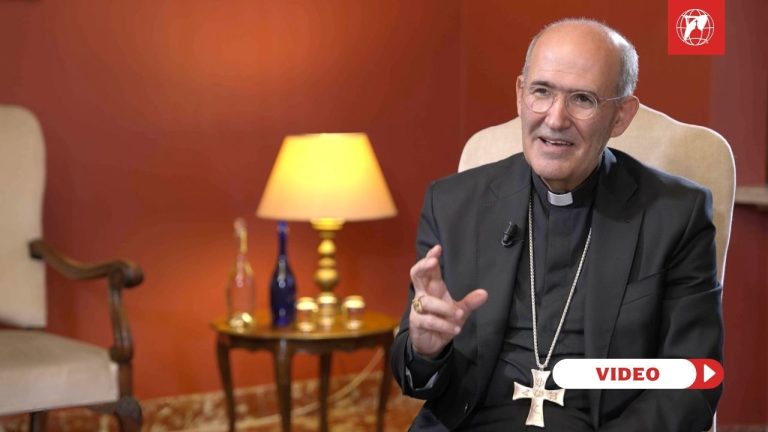
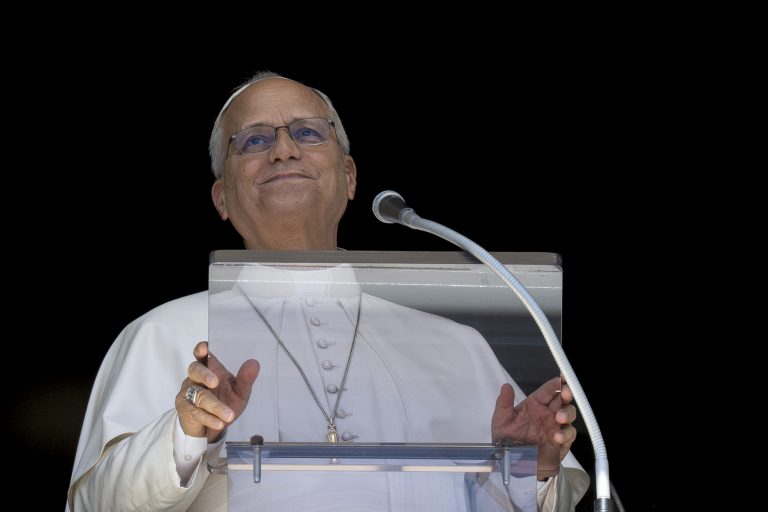
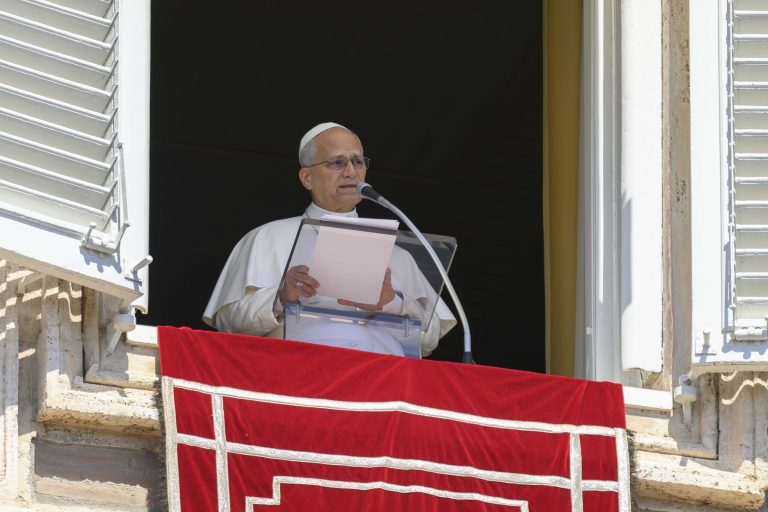
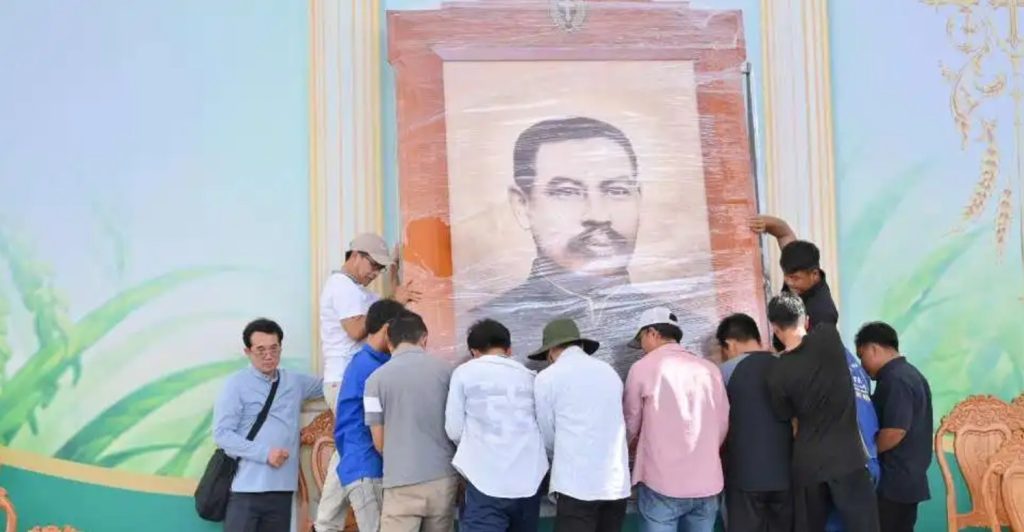
The Vatican formally recognized Father Diep’s martyrdom in 2024, clearing the way for beatification without the usual requirement of a confirmed miracle. His beatification Mass is scheduled for July 2, 2026, at the Tac Say Pilgrimage Center, presided over by Cardinal Luis Antonio Tagle as the special envoy of Pope Leo XIV. Organizers expect tens of thousands of pilgrims, with some estimates suggesting the surrounding grounds could accommodate up to 100,000 people for the main liturgy.
Once beatified, Father Diep will become only the second Vietnamese person to receive the title “Blessed,” following Andrew Phu Yen, a young catechist beatified in 2000. For a Church that has already canonized 117 Vietnamese martyrs from earlier centuries, Father Diep’s case stands out because he was not killed by an anti-Christian government campaign but died amid the confusion of postwar violence, choosing solidarity with his people over his own safety.
Why Blessed Truong Buu Diep Still Matters in the Digital Age
What makes Father Diep’s story especially relevant today is how his devotion has adapted to modern life. The Truong Buu Diep Foundation, a nonprofit established in California in 2011, now maintains an extensive online presence built around YouTube channels, Facebook video pages, and even a livestream prayer room where devotees around the world can join in real time. The foundation’s website offers a virtual tour of the shrine for those who cannot travel to Vietnam, along with an online system for submitting prayer requests and thanksgiving testimonies.
This digital infrastructure matters because Father Diep’s following has always extended beyond a single parish. Vietnamese Catholics who emigrated after the war carried devotion to him to the United States, Australia, and Europe, and social media has become the bridge that keeps diaspora communities connected to Tac Say. A grandmother in California can now light a virtual prayer candle and watch a livestream from the same shrine her grandparents once visited in person, collapsing the distance between generations and continents.
A Devotion That Crosses Religious Lines
One of the most striking aspects of Father Diep’s legacy is that his admirers are not only Catholic. In a country where Catholics are a minority, many Buddhists and people of no particular faith visit his shrine or keep his image in their homes, believing in his intercession for healing, employment, and protection. One Buddhist bricklayer told reporters he planned to attend the beatification to give thanks for finding work after a job loss and for surviving a serious fall, graces he attributes to Father Diep’s intercession.
This cross-religious appeal has only grown as his story spreads online. Testimonies of graces received through his intercession circulate widely on Vietnamese-language Facebook groups and YouTube channels, reaching audiences who might never encounter his story through a parish bulletin or a printed devotional pamphlet.
The Broader Significance for Catholic Evangelization
Church leaders in Vietnam describe Father Diep’s willingness to die with his people rather than flee as a modern, relatable form of martyrdom, distinct from the more distant 19th century martyrs of Vietnam’s imperial era. His story offers a model of pastoral presence that resonates with a generation raised on stories of loyalty and sacrifice told through screens rather than sermons.
For the wider Church, the way his cult has flourished online also offers a case study in digital evangelization. Rather than diluting devotion, livestreamed prayer services, virtual shrine tours, and shared testimonies appear to have deepened it, turning a regional Mekong Delta cult into a global network of intercessory prayer. As the Church continues to grapple with how to reach younger, digitally native Catholics, Father Diep’s example suggests that ancient devotional practices and modern platforms are not in tension but can reinforce one another.
A Martyr Legacy Renewed
Blessed Truong Buu Diep’s upcoming beatification is more than a historical footnote or a single ceremony at a shrine in the Mekong Delta. It is a living reminder that sacrifice, humility, and steadfast presence still speak powerfully to people today, Catholic and non-Catholic alike, whether they encounter his story in a village chapel or on a smartphone screen. As July 2, 2026, approaches, his life offers a timely model for how faith can travel across both geography and technology without losing its heart.
A Spiritual Resolution
At its heart, Father Diep’s story is one of unwavering devotion. He refused to let distance, danger, or death separate him from the people he served. Eighty years later, that same devotion reaches people worldwide through livestreams, shared posts, and online prayers. His sacrifice proves that authentic faith can transcend time and technology, inviting people everywhere to remain close to his enduring witness. Let us resolve to respond to his example through:
The Holy Mass: To actively participate in the Eucharist, drawing strength from Christ’s own sacrifice, so that we might have the courage to serve others selflessly.
The Sacrament of Confession: To seek God’s mercy for the times we have chosen our own comfort over the needs of our family, our parish, or our community.
Eucharistic Adoration: To spend quiet time before the Blessed Sacrament, asking for the grace to be a steadfast presence in the lives of those who are suffering or isolated.
The Holy Rosary: To pray for the persecuted Church around the world, asking the Blessed Mother to protect all priests and missionaries serving in dangerous territories.
Sacred Scripture: To reflect on the words of Christ in John 15:13, “Greater love has no one than this: to lay down one’s life for one’s friends,” asking for the grace to live out this radical love in our daily lives.
To remain informed about Catholic life, teachings, and global Church developments, readers may be encouraged to visit www.ewtnvatican.com for trusted Catholic news and resources.