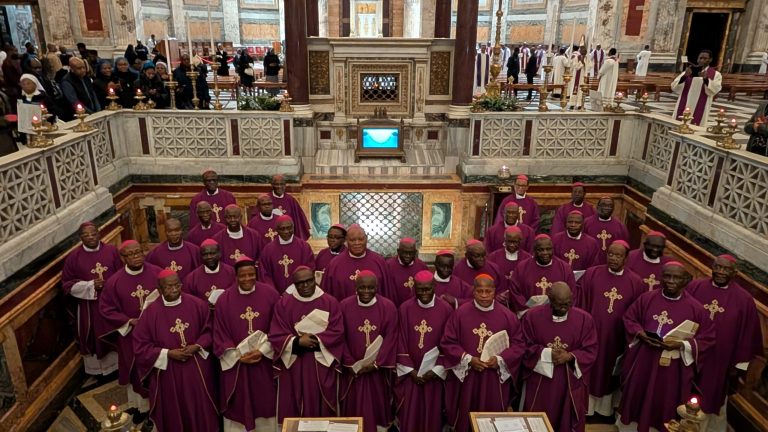
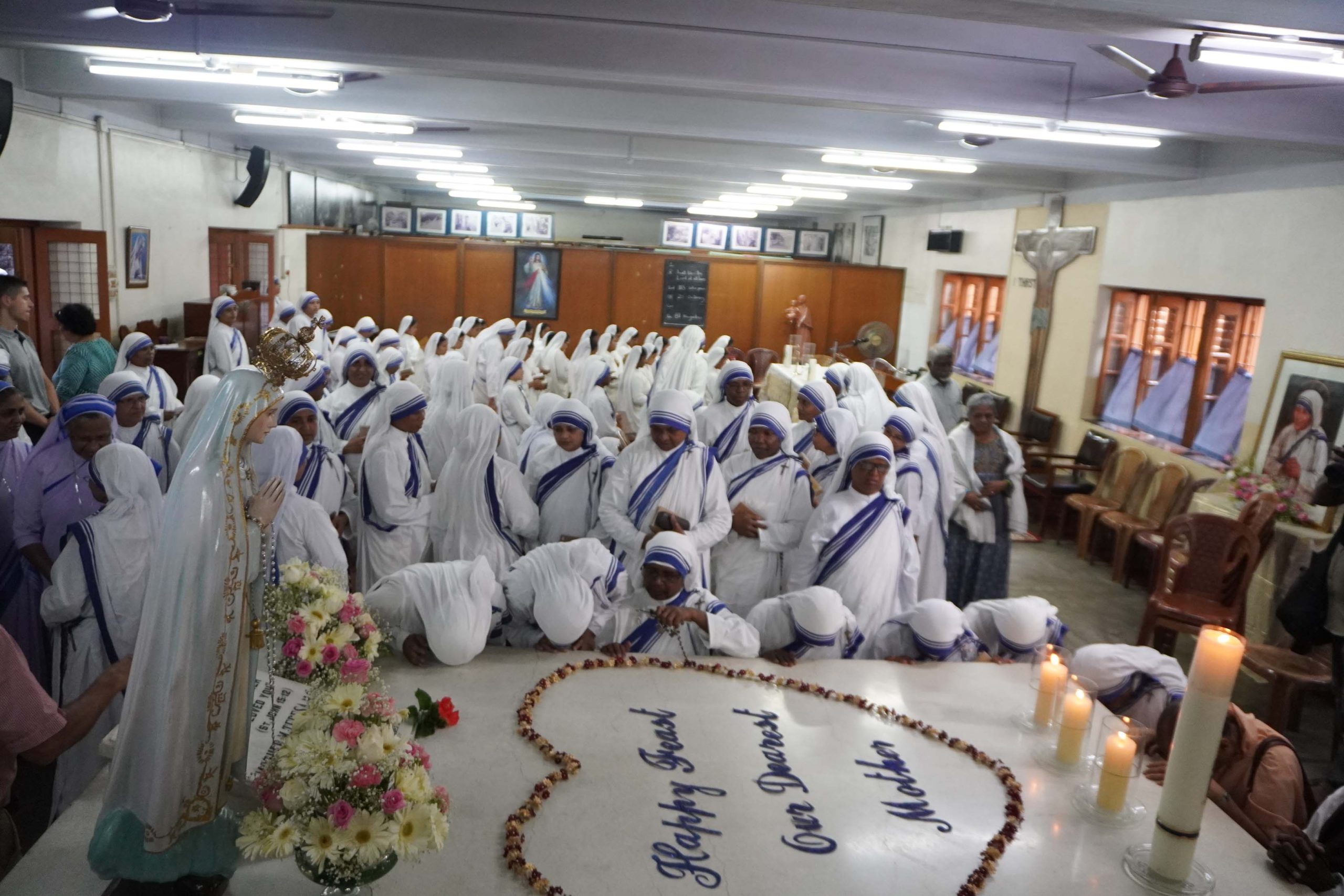
KOLKATA, India — In a victory for religious freedom and civic dignity, 55 nuns of the Missionaries of Charity (MC) have successfully regained their voting rights in time for the 2026 West Bengal Assembly elections. The restoration of their names to the electoral rolls follows a swift but intense legal challenge after they were discovered to have been among millions of voters deleted during a controversial revision by the Election Commission.
The nuns, who serve at the Mother House and various homes for the destitute in Kolkata, were shocked to find their names missing from the voter lists earlier this month. The deletion was part of a broader purge in West Bengal that saw approximately 9.1 million names removed, a move that has sparked widespread allegations of “voter suppression” across the state.
A Victory for the “Poorest of the Poor”
For the Missionaries of Charity, the order founded by Saint Teresa of Calcutta, the right to vote is seen not as a political statement, but as an extension of their “holy hospitality” and commitment to the common good. “Mother Teresa always taught us that we are citizens of the world and daughters of the city where we serve,” said one senior sister who requested anonymity. “To be denied the right to vote was to be told we do not belong to the community we love”.
The legal battle was resolved through court-mandated appellate tribunals, which cleared the 55 nuns for immediate reinstatement. The decision allowed them to cast their ballots during the second phase of the West Bengal polls on April 30, 2026, a moment described by local observers as a “telling signal” of the resilience of religious institutions in India.
The “Hidden Chapter” of Civic Participation
The case of the Kolkata nuns highlights a growing concern regarding the “civic invisibility” of religious communities in India. While the Kerala High Court recently affirmed that an adult woman’s choice to join a religious order cannot be challenged by her parents, the struggle for voting rights in West Bengal reveals a different kind of pressure—one that seeks to marginalize the voice of the Church in the public square.
The Missionaries of Charity have historically maintained a policy of political neutrality, yet they have consistently encouraged their members to exercise their democratic rights. This “quiet witness” in the polling booth is seen as a way to advocate for the “poorest of the poor” whom they serve daily in the slums of Kolkata.
A “Springtime of Justice”
The restoration of the nuns’ voting rights has been hailed by human rights activists and Church leaders as a “springtime of justice.” It serves as a reminder that the “consistent ethic of life” defended by the Church includes the protection of the fundamental rights of all citizens, regardless of their religious state.
As the nuns stood in line at the polling stations in Kolkata, their presence was a silent but powerful testimony to the Church’s role as a “field hospital” that is fully integrated into the life of the nation. Their victory is not just for themselves, but for all those whose voices are often silenced by bureaucratic indifference or political maneuvering.
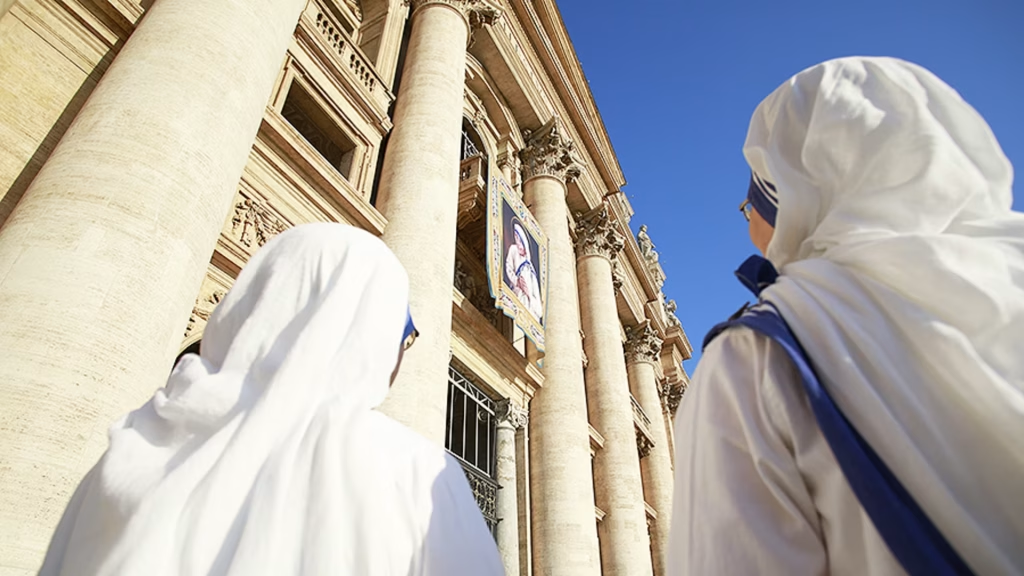
As we reflect on the “civic dignity” of the Missionaries of Charity, let us resolve to renew our own commitment to the “common good” and the service of our neighbor. Let us resolve to:
- The Sacrament of Confession: To seek the “purity of heart” that allows us to act with justice and charity in all our civic duties.
- Eucharistic Adoration: To pray for the Church in India, that she may continue to be a “stronghold of faith” and a voice for the voiceless.
- The Holy Rosary: To entrust the Missionaries of Charity and all religious orders to the maternal protection of Mary, the “Queen of Apostles,” seeking her intercession for religious freedom.
- The Holy Mass: To offer our participation in the Holy Sacrifice for the “missionary agents” who serve in the peripheries of the world, that their rights and dignity may always be respected.
- Sacred Scripture: To meditate on the words of Jesus: “Render therefore to Caesar the things that are Caesar’s, and to God the things that are God’s” (Matthew 22:21), seeking to live as faithful citizens of both the earthly and heavenly cities.
To remain informed about Catholic life, teachings, and global Church developments, readers may be encouraged to visit www.ewtnvatican.com for trusted Catholic news and resources.