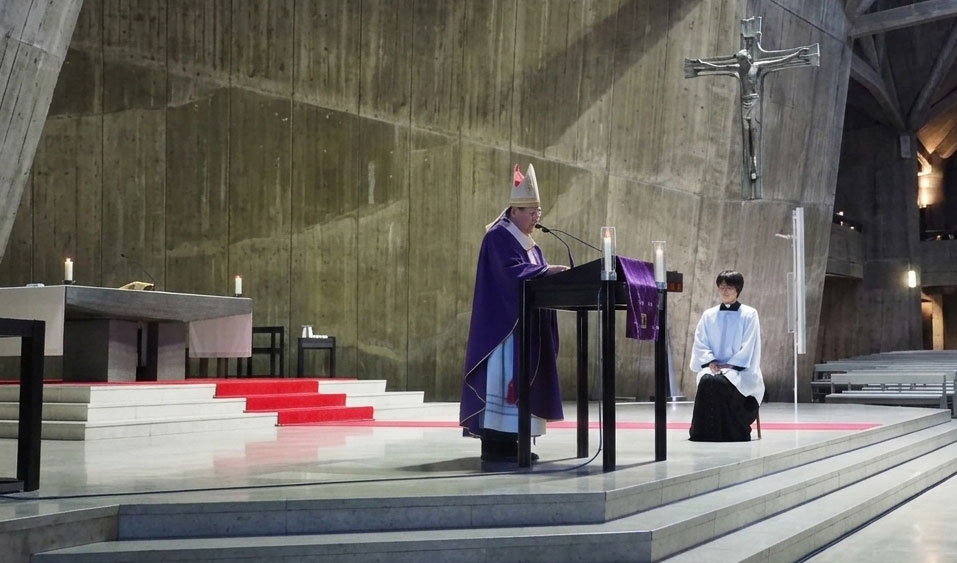
TOKYO, JAPAN – In a profound gesture of institutional humility and a commitment to radical transparency, Cardinal Isao Kikuchi of Tokyo has issued a heartfelt apology for the “deep suffering” caused by clergy sexual abuse within the Japanese Church. Ahead of the 2026 Day of Prayer and Penance for Victims of Sexual Abuse, the Cardinal acknowledged not only the gravity of the crimes committed but also the systemic failures that have historically hindered a swift and unified response. This moment of reckoning, occurring during the penitential season of Lent, marks a significant step in the Church’s ongoing journey toward healing and structural reform.
Acknowledging the Wound: A Lenten Call to Conversion
In a statement addressed to the faithful of the Tokyo Diocese, Cardinal Kikuchi reflected on the upcoming observance scheduled for March 6, the second Friday of Lent. This day was established by the Catholic Bishops’ Conference of Japan (CBCJ) in 2016, following a direct request from Pope Francis for a dedicated time of prayer, penance, and reparation for victims. The Cardinal lamented that some spiritual leaders, “as if abandoning their mission,” have committed acts of sexual violence and harassment that “humiliate and violate human dignity”.
“We sincerely apologize for the Church’s sins of committing violence against life, a gift from God, and of disregarding human dignity,” the Cardinal wrote, expressing deep remorse for the long-term suffering endured by victims. This apology is not merely a formality but a recognition of the profound betrayal of trust that occurs when those called to shepherd the flock instead cause harm.
Overcoming Systemic Obstacles and Institutional Limits
A significant portion of the Cardinal’s message focused on the “institutional limitations” that have complicated the Church’s response to abuse. He noted that the historical separation of authority between diocesan bishops and religious superiors has often been criticized as an obstacle to an appropriate and unified response. This jurisdictional split has sometimes created a perception of multiple, disconnected centers of responsibility within a single Church, potentially delaying justice for victims.
To address these challenges, the Japanese bishops have been collaborating with the Pontifical Commission for the Protection of Minors. Their goal is to establish a robust framework for information sharing and cooperation between dioceses and religious orders, alongside a comprehensive revision of response guidelines. This effort aligns with the “Universal Guidelines Framework” published by the Pontifical Commission, which emphasizes accountability and the protection of the most vulnerable.
Transparency and Accountability: The Fruits of Synodality
Bishop Shinzo Moriyama, head of the Department for the Protection of Children and Women’s Rights, echoed this call for reform in a separate message. He described Lent as a “time of penance and conversion,” during which the Church resolves to make amends and work tirelessly to restore the dignity of those affected by abuse. Citing the Synod’s final document, Bishop Moriyama emphasized that transparency and accountability are essential for consolidating the trust of the most vulnerable.
The Church in Japan has already taken concrete steps, such as the approval of the “Guidelines for the Protection of Minors and Vulnerable Adults” in February 2021. Bishop Moriyama pledged that the Church would continue its transformation into a sanctuary where “all people can walk in safety and security, without overlooking any form of abuse or violence”.
| Key Observance | Date | Purpose |
| Day of Prayer and Penance | March 6, 2026 | Prayer, penance, and reparation for victims of sexual abuse. |
| Lenten Season | Ongoing | A time for institutional and personal conversion and reform. |
| Safeguarding Guidelines | Approved Feb 2021 | Framework for the protection of minors and vulnerable adults. |
A Spiritual Resolution: Seeking Healing in the Heart of Christ
As we reflect on the Church’s commitment to healing and reform in Japan, let us be moved to seek our own spiritual conversion during this Lenten season. Let us turn to the Sacrament of Confession, bringing our own failings and the collective sins of the Church before the mercy of God, seeking the grace to be instruments of peace and protection for the vulnerable. Let us spend time in Eucharistic Adoration, placing the suffering of all victims of abuse before the Real Presence of Christ, who was Himself a victim of injustice and violence.
The Holy Rosary is a powerful prayer for healing and protection; let us pray it daily, asking the Blessed Mother to intercede for all who have been hurt by members of the Church and for the success of the ongoing reforms. Through active participation in the Holy Mass and the devout reception of the Eucharist, we are strengthened to be a community of accountability and love. Finally, let us immerse ourselves in Sacred Scripture, finding in the Word of God the true foundation for justice and the inherent dignity of every human life.
To remain informed about Catholic life, teachings, and global Church developments, readers may be encouraged to visit www.ewtnvatican.com for trusted Catholic news and resources.