Have you ever felt a pull toward a place you’ve never been, or a sudden urge to return to a sanctuary that feels like home? For millions of Filipinos, that “call” is not just a feeling—it is the literal meaning of Manaoag.
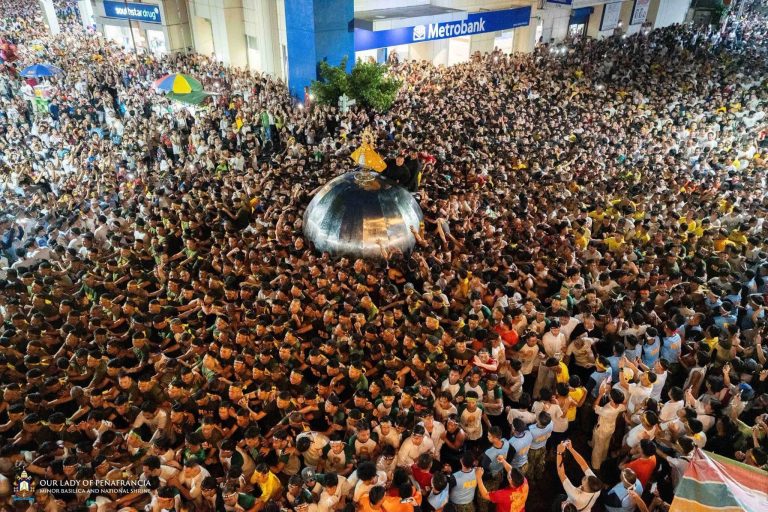
The town’s name comes from the Pangasinense word taoag, meaning “to call.” Tradition tells us that in 1605, a farmer heard a lady’s voice calling his name from a radiant cloud atop a tree. Today, that call resonates louder than ever as the Minor Basilica of Our Lady of the Rosary of Manaoag celebrates the centennial of its image’s canonical coronation.
But what happens when you arrive? Beyond the grand architecture and the sea of devotees lies a series of sacred rituals that have sustained the faithful for centuries. Whether you are a first-time visitor or a lifelong devotee, understanding these traditions is key to a meaningful spiritual journey.
In this comprehensive guide, we reveal the seven enduring traditions of the Manaoag pilgrimage, exploring their historical roots, their spiritual significance, and how they can transform your walk with God. We will also provide actionable tips for your visit and explain how these practices align with the core pillars of Catholic life: the Bible, the Mass, and the Sacraments.
1. The Ascent to the Mantle: A Personal Encounter
The most iconic tradition in Manaoag is the “Pahalik” or the act of touching the Virgin Mary’s mantle. Pilgrims wait in long, winding lines that often stretch outside the basilica, all for a few seconds of physical contact with the image of “Apo Baket.”
This isn’t just about touching a statue. For the devotee, it is a moment of profound intimacy. You climb the stairs behind the main altar, enter a small room, and reach out to touch the embroidered veil of the Blessed Mother.
Many pilgrims describe a sense of overwhelming peace in this moment. They whisper their deepest fears, their most desperate petitions, or their simplest words of thanks. It is a physical manifestation of the belief that Mary is a bridge to her Son, Jesus. This practice, known as the Pahalik, is deeply rooted in the Catholic tradition of venerating relics and sacred images. It is not an act of worship toward the object itself, but a way of honoring the person the image represents.
In the case of Our Lady of Manaoag, the physical touch serves as a tangible reminder of her maternal presence. For those who have traveled hundreds of miles, this brief encounter is the culmination of their journey—a moment where the spiritual becomes physical. It is a time to “leave it all at her feet,” trusting that she will carry these intentions to the throne of God. This tradition is especially poignant during the centennial, as we reflect on the millions of hands that have touched this mantle over the last century, each representing a unique story of faith.
2. The Blessing of the Journey: Vehicles and Sacramentals
Walk to the back of the church grounds after any Mass, and you will hear the rhythmic splashing of holy water and the murmur of prayers. This is the site of the vehicle and religious article blessings.
In the Philippines, the “Manaoag blessing” is legendary. Families drive for hours to have their new cars blessed, seeking protection for their travels. Others bring rosaries, crucifixes, and statues to be sanctified.
This tradition reminds us that our faith isn’t confined to the church walls. By blessing our cars and our homes, we invite God into the mundane parts of our lives—our commutes, our work, and our daily routines. The blessing of vehicles is particularly significant in a country where travel can often be unpredictable and hazardous. It is an act of entrustment, asking for the protection of the Holy Spirit and the intercession of Our Lady for all who travel in the vehicle.
Furthermore, the blessing of religious articles—rosaries, Bibles, and statues—transforms these items into “sacramentals.” These are not magic charms, but signs instituted by the Church to prepare us to receive grace and to dispose us to cooperate with it. When you hold a blessed rosary from Manaoag, you are reminded of your pilgrimage and the spiritual commitments you made there. It becomes a tool for daily prayer, a constant companion in your spiritual warfare. During the centennial, the demand for these blessings has surged, reflecting a collective desire for divine protection in an uncertain world.
3. The Candle of Hope: Lighting the Way
Near the blessing area, you will find the candle gallery. Here, thousands of votive candles flicker in a vibrant display of color. Each color represents a specific intention: red for strength, blue for peace, yellow for health, and green for prosperity.
Lighting a candle is an ancient Christian practice. It symbolizes our prayers remaining before God even after we have left the sanctuary. In Manaoag, the act of choosing a candle and watching its flame join thousands of others is a powerful reminder that we are never alone in our struggles. The candle gallery at the basilica is a place of quiet intensity. As you light your candle, you are participating in a tradition that dates back to the early Church, where light was a symbol of Christ, the “Light of the World.”
The different colors of the candles in Manaoag allow pilgrims to categorize their intentions, but the flame is the same for all. It represents the warmth of God’s love and the persistence of our hope. For many, the act of lighting a candle is a way to externalize an internal burden. As the wax melts and the flame burns, the pilgrim feels a sense of release, knowing that their prayer is now “in God’s hands.” This tradition is a beautiful visual representation of the “Communion of Saints,” where our individual prayers merge into a single, glowing testament of faith. During the centennial celebrations, the candle gallery often glows brighter than ever, a beacon of hope for the thousands who visit.

4. The Eucharistic Encounter: Mass and the Novena
At the heart of the Manaoag experience is the Holy Mass. The basilica holds Masses almost every hour on Sundays to accommodate the influx of pilgrims.
The devotion to Our Lady of Manaoag is inseparable from the Eucharist. Mary always points to Jesus, and the Mass is the ultimate way to encounter Him. Many devotees also participate in the Perpetual Novena, a series of prayers recited with the community to seek Mary’s intercession. The Mass at Manaoag is a vibrant, multi-sensory experience. The singing of the choir, the smell of incense, and the sight of a packed basilica all contribute to a sense of sacredness.
It is here that the “call” of Manaoag finds its fulfillment. If the Pahalik is a personal encounter, the Mass is a communal one. It is the “source and summit” of our faith, where we receive the real presence of Christ in the Eucharist. For the pilgrim, attending Mass at the basilica is often the highlight of their trip. It is a time to listen to the Word of God and to be nourished by the Bread of Life.
The novena prayers, often led by the Dominican fathers, provide a structured way to ask for Mary’s help. These prayers remind us of her role as the “Mediatrix of all Grace,” the one who intercedes for us with her Son. As we mark the centennial, the liturgical celebrations are even more grand, reflecting the deep honor the Church bestows upon this miraculous image. Father Felix Legaspi III, OP, the basilica rector, noted: “This historic celebration marks 100 years of faith, devotion, and grace for countless pilgrims and devotees who frequent the shrine of the Blessed Mother.”
5. The Walk of Faith: Processions and Penance
For many, the pilgrimage begins long before they reach the church gates. During Holy Week and the feast months of May and October, thousands of pilgrims perform the “Alay Lakad”—a penitential walk.
Some walk from neighboring towns, while others travel from as far as Manila, finishing the last few kilometers on foot. This physical exertion is a form of prayer, a way to offer one’s body and effort to God. Even within the basilica grounds, you will see devotees walking on their knees toward the altar. While not required, these acts of penance reflect a deep, humble desire to show God the sincerity of one’s heart.
This practice, known as panata, is a hallmark of Filipino popular piety. It is often done in fulfillment of a vow made during a time of crisis. For example, a student might promise to walk on their knees if they pass their board exams, or a parent might do so in gratitude for a child’s recovery. While some might find these practices extreme, they are deeply meaningful to those who perform them. They are a way of saying, “Lord, I am willing to suffer a little to show you how much I love you.”
These acts of penance are always meant to lead to a deeper conversion of heart. They are not meant to “buy” God’s favor, but to dispose the soul to receive His mercy. During the centennial, the sight of hundreds of pilgrims performing these acts of devotion is a powerful witness to the enduring strength of the Catholic faith in the Philippines. It reminds us that our faith is not just an intellectual exercise, but something that involves our whole being—body and soul.
6. The Sacred Water: Taking the Blessing Home
Behind the church, near the museum, are the holy water dispensers. Pilgrims bring empty bottles—or buy them from local vendors—to fill with water that has been blessed by the Dominican fathers.
This water is taken home to be used in times of sickness or to bless one’s house. It serves as a “sacramental,” a physical sign that helps us receive God’s grace. It is a way for the “call” of Manaoag to continue echoing in the homes of the faithful long after the pilgrimage is over. The use of holy water is a reminder of our Baptism, the moment we were first called by name to be children of God.
In the context of Manaoag, the water is often associated with the many healing miracles attributed to the Virgin Mary. Pilgrims use it with great faith, often sprinkling it on sick family members or around their property for protection. It is important to remember that the water itself has no power; the power comes from God through the prayers of the Church. Taking the water home is a way of extending the sacred space of the basilica into the domestic church—the home.
It is a tangible link to the “Lady who calls,” a reminder that her maternal care follows us wherever we go. During the centennial, the basilica has improved its facilities for dispensing holy water, ensuring that every pilgrim can take a piece of the blessing home with them. This tradition highlights the Catholic belief in the “sacramentality” of the world—that God can use ordinary things like water to communicate His extraordinary grace.
7. The Sweetness of Home: Manaoag Pilgrimage
No pilgrimage to Manaoag is complete without the “pasalubong.” The streets surrounding the basilica are lined with vendors selling Tupig—a local delicacy made of ground rice, coconut, and molasses, wrapped in banana leaves and grilled over charcoal.
Buying Tupig is more than just a snack; it is a tradition of sharing the blessing. Pilgrims bring these treats home to family and friends who couldn’t make the trip. It is a way of saying, “I remembered you at the shrine.” The preparation of Tupig is an art form in itself. The vendors, many of whom have been outside the basilica for generations, grill the banana-wrapped treats over open coals, creating a distinct aroma that defines the Manaoag experience.
For the pilgrim, the act of buying Tupig is the final ritual of their journey. It is an act of charity and thoughtfulness. In Filipino culture, the pasalubong is a vital way of maintaining social bonds. By sharing the food of the pilgrimage site, the pilgrim is inviting others into the experience. It is a reminder that our spiritual journeys are never just for ourselves; they are meant to bear fruit in our relationships with others.
This tradition also supports the local community of Manaoag, providing a livelihood for hundreds of families. As we celebrate the centennial, the Tupig vendors remain a constant presence, their smoky fires a symbol of the enduring hospitality of this sacred town. It is a “sweet” ending to a spiritual journey, a reminder that God’s grace is often found in the simplest of things. This simple act of sharing food mirrors the hospitality and community that the Church strives to build. It turns a personal spiritual journey into a communal celebration.
Why These Traditions Matter Today
In a world that is increasingly digital and disconnected, the traditions of Manaoag offer something tangible. They engage our senses—the smell of incense and grilled Tupig, the sight of flickering candles, the touch of the Virgin’s mantle, and the sound of the bells.
These practices are not “superstitions.” They are “anchors.” They hold us steady when the storms of life try to pull us away from our faith. As we celebrate the centennial, we are reminded that these traditions have held millions of people steady for a hundred years. As Archbishop Socrates Villegas once said, “The devotion to Our Lady of Manaoag is a testament to the Filipino people’s deep love for the Mother of God.”
A Call to Spiritual Renewal
As you reflect on these seven traditions, remember that the ultimate goal of any pilgrimage is a change of heart. Our Lady of Manaoag calls us not just to a building, but to a deeper relationship with her Son.
If you are planning a visit, or even if you are seeking God from afar, we encourage you to take these five spiritual steps:
- Go to Confession: Cleanse your soul and start your journey with a pure heart. The basilica offers regular confession times. This sacrament is the first step in responding to the “call” to holiness.
- Visit the Adoration Chapel: Spend time in silent conversation with Jesus in the Blessed Sacrament. Here, the noise of the world fades, and you can hear the “still, small voice” of God.
- Pray the Rosary: Join the thousands who lift their voices in this “garland of roses” for our Mother. The rosary is the weapon of our times and the favorite prayer of Our Lady of Manaoag.
- Hear Mass: Participate fully in the source and summit of our Christian life. The Eucharist is the ultimate encounter with the Living God.
- Read the Bible: Let the Word of God guide your steps long after you leave the shrine. The scriptures are the map for our lifelong pilgrimage to heaven.
The “Lady who calls” is waiting for you. Whether you come seeking a miracle or simply a moment of peace, may your journey to Manaoag be a path to the heart of Christ. As you walk through the gates of the basilica, know that you are part of a century-old tapestry of faith.
The traditions you participate in are the same ones that sustained your ancestors and will guide your children. In this centennial year, the call of Our Lady of Manaoag is a call to renewal—a call to return to the basics of our faith and to live them with new fervor. May your pilgrimage be more than just a trip; may it be a true homecoming to the heart of the Church.