HWASEONG, South Korea — In a profound gesture of spiritual remembrance, the Namyang Marian Shrine in South Korea has broken ground on a 200-metre subterranean tunnel dedicated to the memory of the nation’s 19th-century martyrs. The project, known as “Martyrs Hill,” is designed to be more than a monument; it is envisioned as a “subterranean pilgrimage” where the faithful can encounter the radical witness of those who gave their lives for the Gospel during the Joseon Dynasty.
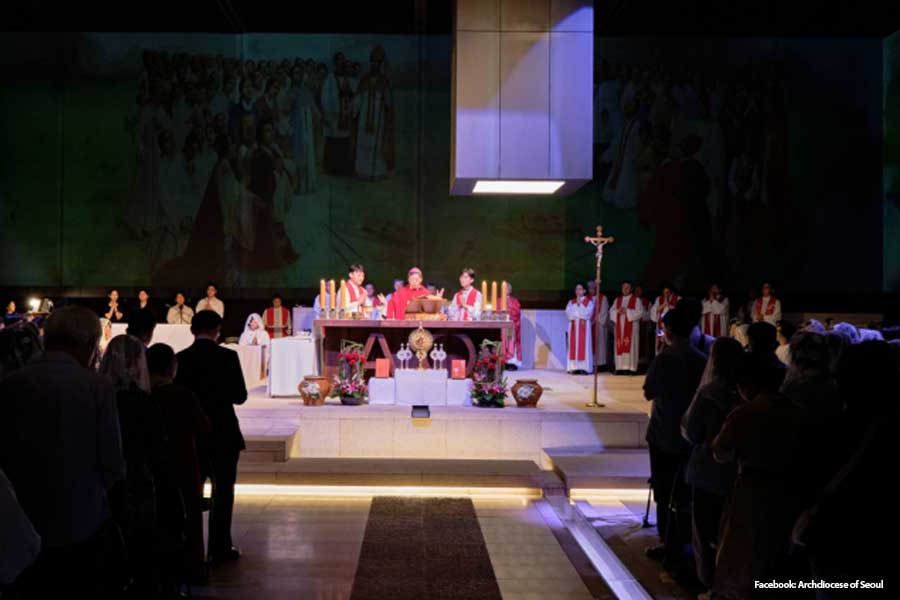
Bishop Germanus Kwak Jin-sang of Suwon presided over the groundbreaking ceremony on March 30, 2026, joined by a large gathering of clergy, religious, and lay faithful. The project comes at a time when the Korean Church is experiencing a renewed interest in its foundational history, marked by the blood of thousands of early believers.
A Legacy Written in Blood
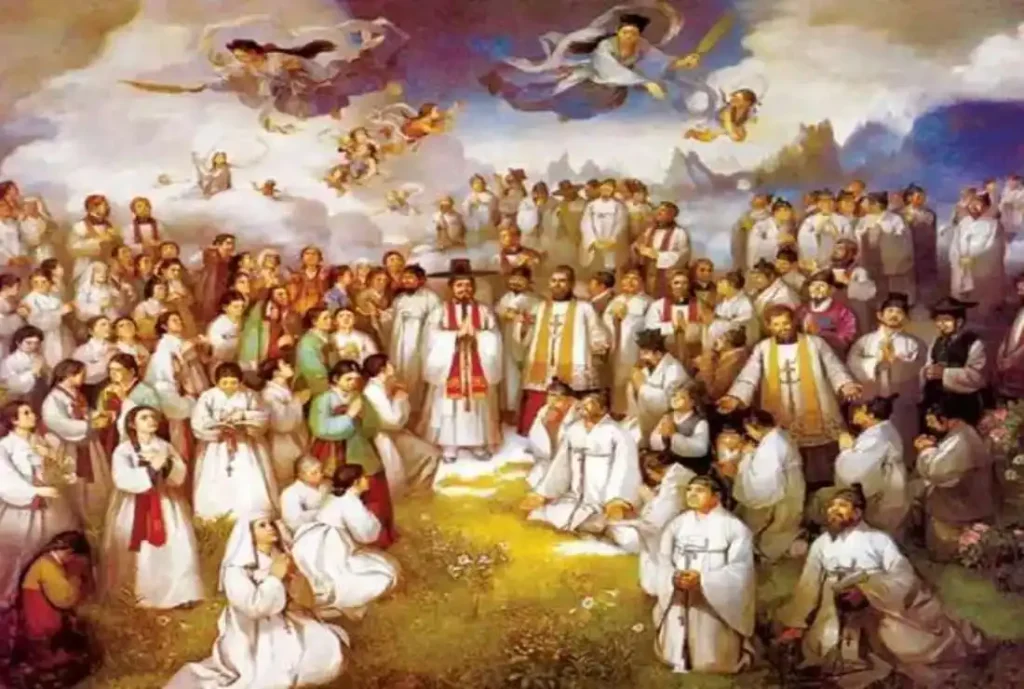
The Namyang Shrine stands on a site of profound historical and spiritual significance. Between 1866 and 1886, during the height of the Byeongo and Byeongin persecutions, it is estimated that approximately 9,000 Catholics—nearly half of the Catholic population at the time—were executed for their faith. These early believers were often given the choice between apostasy and death; the vast majority chose the latter, transforming the Korean soil into a “holy ground” of sacrifice.
Among the most revered figures in this history are St. Andrew Kim Taegon, the first Korean-born priest, and St. Paul Chong Hasang, a lay leader who played a pivotal role in establishing the early Church in Korea. They are among the 103 Korean martyrs canonized by St. John Paul II in 1984, a historic event that marked the first canonization to take place outside of Rome.
| Period | Persecution Name | Key Figures / Impact |
| 1801 | Sinyu Persecution | Mass execution of early scholar-converts |
| 1839 | Gihae Persecution | Martyrdom of St. Paul Chong Hasang |
| 1846 | Byeongo Persecution | Martyrdom of St. Andrew Kim Taegon |
| 1866–1886 | Byeongin Persecution | Execution of 9,000 Catholics; Namyang site |
The Martyrs Hill: A Journey of Reflection
The new 200-metre tunnel is intended to provide a reflective space for modern pilgrims to “encounter martyrdom” in a contemporary context. Fr. Francis Xavier Lee Sang-gak, rector of the Namyang Shrine, explained that the tunnel will feature prayer stations and pathways dedicated to the virtues of penance, obedience, and peace.
The journey through the tunnel will culminate in a subterranean chapel, symbolizing the “hidden life” of the early Korean Church, which often had to meet in secret to celebrate the Sacraments. For the faithful, the project serves as a reminder that the Church in Korea was not built by foreign missionaries alone, but by the “holy audacity” of laypeople who sought the truth of Christ amidst intense hostility.
A Beacon of Hope for Asia
The construction of Martyrs Hill is seen as a significant development for the Church in Asia, which continues to look to the Korean martyrs as models of evangelization. As the Church prepares for the 2027 World Youth Day in Seoul, sites like Namyang are expected to become focal points for international pilgrims seeking to understand the “roots of the faith” in the Far East.
By honoring the “thousands of unknown martyrs” who died at Namyang, the project underscores the Church’s teaching that every life given for Christ is precious in the eyes of God, regardless of whether their names are recorded in history books.
Spiritual Resolution
As we reflect on the heroic witness of the Korean martyrs, let us renew our own commitment to the Cross. Let us commit ourselves to:
The Sacrament of Confession: To purify our hearts, asking for the same “holy courage” that allowed the martyrs to remain faithful unto death.
Eucharistic Adoration: To sit before the Lord in the Blessed Sacrament, finding in His Presence the strength to carry our daily crosses.
The Holy Rosary: To entrust the Church in Asia and all persecuted Christians to the maternal protection of Mary, Queen of Martyrs.
The Holy Mass: To participate in the Holy Sacrifice with renewed reverence, recognizing that the Eucharist is the “Bread of Martyrs” that sustains us in our trials.
Sacred Scripture: To meditate on the words of Christ: “Greater love has no one than this, that someone lay down his life for his friends” (John 15:13).
To remain informed about Catholic life, teachings, and global Church developments, readers may be encouraged to visit www.ewtnvatican.com for trusted Catholic news and resources.