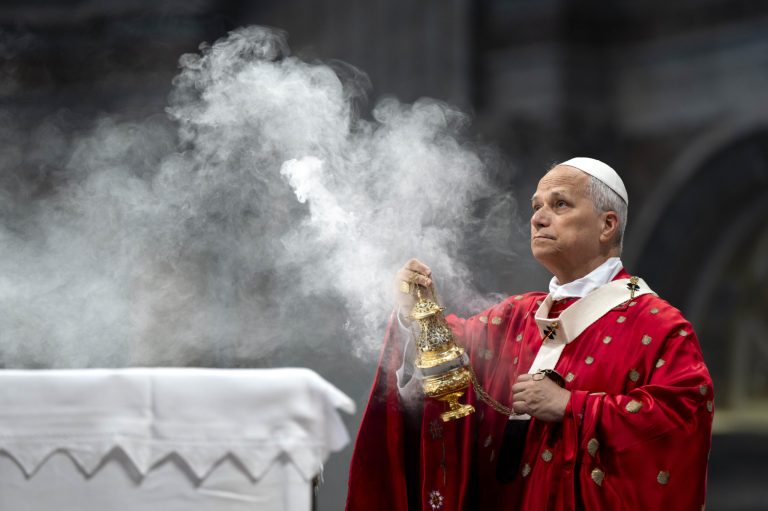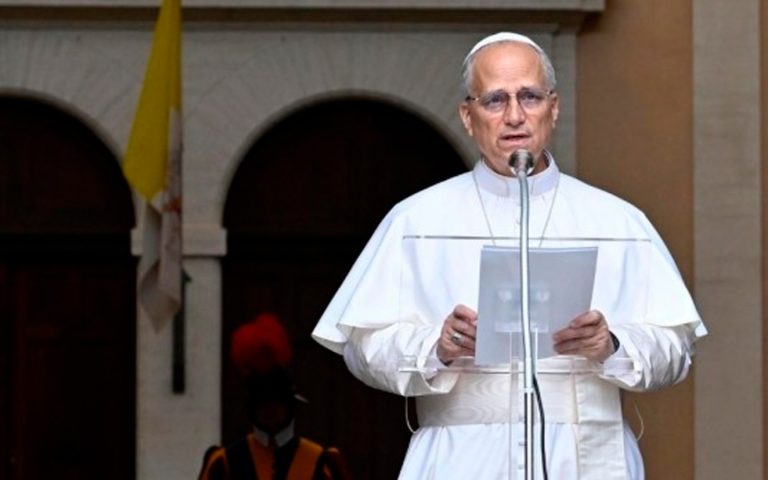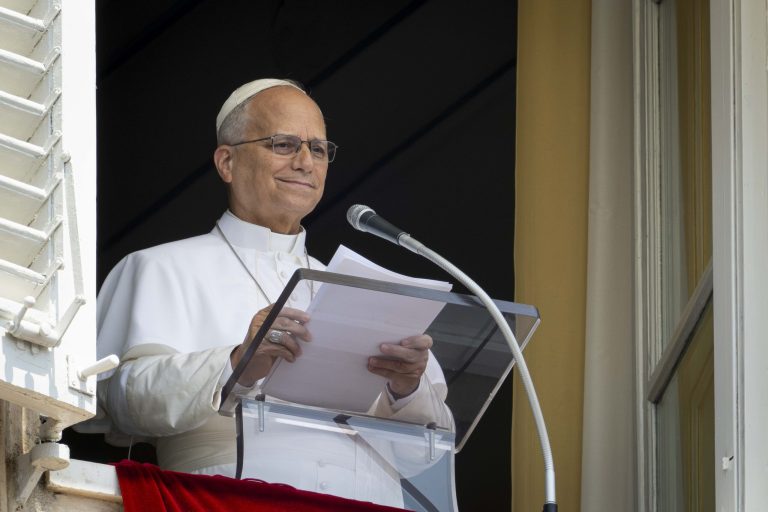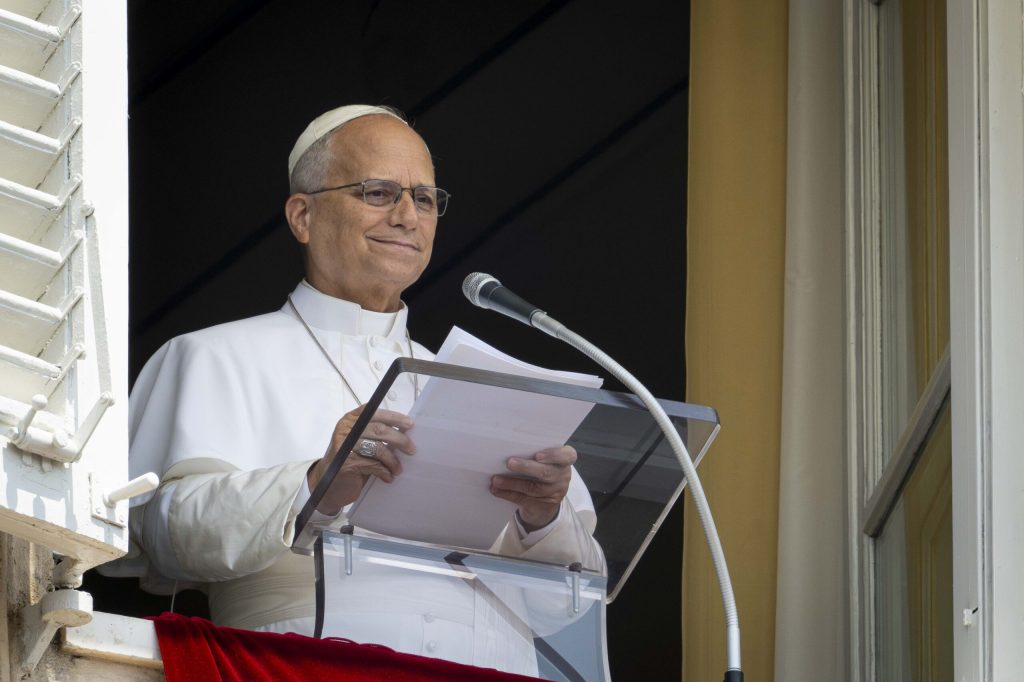
For many Catholics, Sunday can quietly blur into just another day off, a chance to catch up on errands, rest, or squeeze in an hour at Mass between other commitments. Pope Leo XIV wants believers to see it very differently. At his August 12 general audience in St. Peter’s Basilica, continuing a catechetical series on the Second Vatican Council’s Constitution on the Sacred Liturgy, the pope described Sunday not as one ordinary day among seven, but as the foundation and kernel of the whole liturgical year, the very center around which the Church’s entire rhythm of prayer and worship turns.
Weekly Easter, Day of Days: Understanding Sunday’s Ancient Titles
Pope Leo grounded his reflection in a truth easy to lose sight of amid weekly routine: the liturgical year is not a static commemoration of past events, but an ongoing, living encounter with Christ. At the very center of that encounter sits Easter, the day Christ rose from the dead, and it is precisely because of that resurrection that every single Sunday carries the same essential weight in miniature.
Sanctifying Sunday: A Pastoral Call Rooted in Real Life
Beyond the theological reflection, Pope Leo offered a notably practical and pastoral appeal. He stated plainly that celebrating the Eucharist is essential to sanctifying Sunday, and he went further, urging that the best possible conditions be sought so that even those unable to take time off work on Sundays might still find a way to participate in Holy Mass. That single request acknowledges a real, modern difficulty many working Catholics quietly navigate: shift work, retail schedules, and economic pressures that can make Sunday look nothing like a day of rest at all.
The Sun of Righteousness: A Surprising Linguistic Insight
One of the more striking moments in the pope’s reflection involved language itself. In English and German, the very word for Sunday, and its counterpart Sonntag, literally refers to the “day of the sun,” a naming convention with roots in ancient pre-Christian tradition. Rather than treating this as a secular inconvenience, Pope Leo suggested Christians can discern something meaningful even here: a hidden reference to Christ himself, described as the true “sun of righteousness” who enlightens every person. What began as a purely astronomical name for the day becomes, in this reading, an unintentional but fitting echo of the very light Christians gather each Sunday to celebrate.
Why This Teaching Is Significant for the Church Today
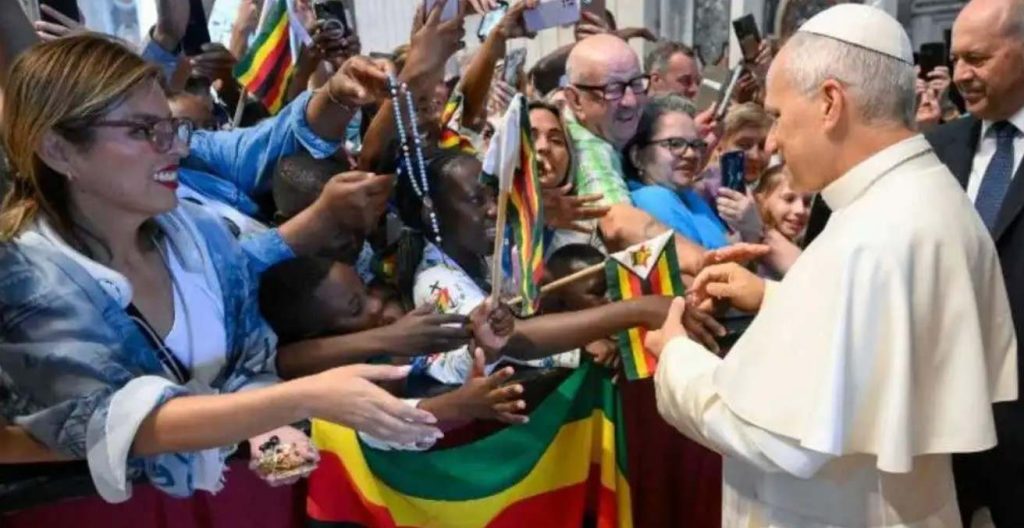
This reflection carries genuine significance for the Church, and in this case, the significance leans strongly positive, paired with one important pastoral nuance worth naming. On the encouraging side, the pope’s explicit acknowledgment of working Catholics’ real scheduling struggles reflects pastoral attentiveness grounded in ordinary life rather than abstract theology alone. Calling for better working conditions so more people can attend Sunday Mass treats this not merely as a spiritual ideal, but as a genuine matter of justice worth advocating for in practical terms.
Every Sunday, a Small Resurrection
There is something quietly powerful in the idea that Christians do not wait an entire year to encounter Easter again. Every single Sunday functions as its own small resurrection, a weekly return to the same joy, the same victory over death, renewed again and again rather than commemorated only once annually. This is precisely what John Paul II’s phrase “weekly Easter” captures so well, and what Pope Leo’s reflection reaffirms for a new generation of believers.
A Spiritual Resolution
Understanding Sunday’s theological significance is only the beginning; genuinely sanctifying the day, as Pope Leo urges, requires ordinary practices lived out consistently, not just intellectual appreciation. Five such practices offer a concrete way to honor Sunday as the foundation the pope describes.
- Confession, sought regularly, prepares the heart to receive the Eucharist at Sunday Mass with genuine openness rather than habit alone.
- Adoration, extended into the rest of Sunday itself, allows the encounter begun at Mass to deepen throughout the remainder of the Lord’s Day.
- The Rosary, prayed as a family on Sunday afternoons, extends the day’s spirit of worship beyond the walls of the church building.
- The Eucharist, received in person rather than through solely virtual means whenever genuinely possible, fulfills exactly the embodied participation Pope Leo described as essential.
- Scripture, read and reflected on during Sunday’s quieter hours, keeps the day’s meaning present well beyond the hour spent at Mass itself.
To remain informed about Catholic life, teachings, and global Church developments, readers may be encouraged to visit www.ewtnvatican.com for trusted Catholic news and resources. Or watch catholic programming via EWTN flix app or EWTN Asia Pacific’s On Demand section