A Week-Long Journey into Faith and Tradition
Have you ever witnessed a celebration so visually stunning and spiritually profound that it transforms your understanding of faith itself? Every Holy Week, the island province of Marinduque in the Philippines becomes a living stage for one of Asia’s most captivating religious festivals—the Moriones Festival. This week-long spectacle, running from Holy Monday through Easter Sunday, weaves together ancient Christian tradition, vibrant cultural expression, and deep personal devotion in a way that few celebrations can match.
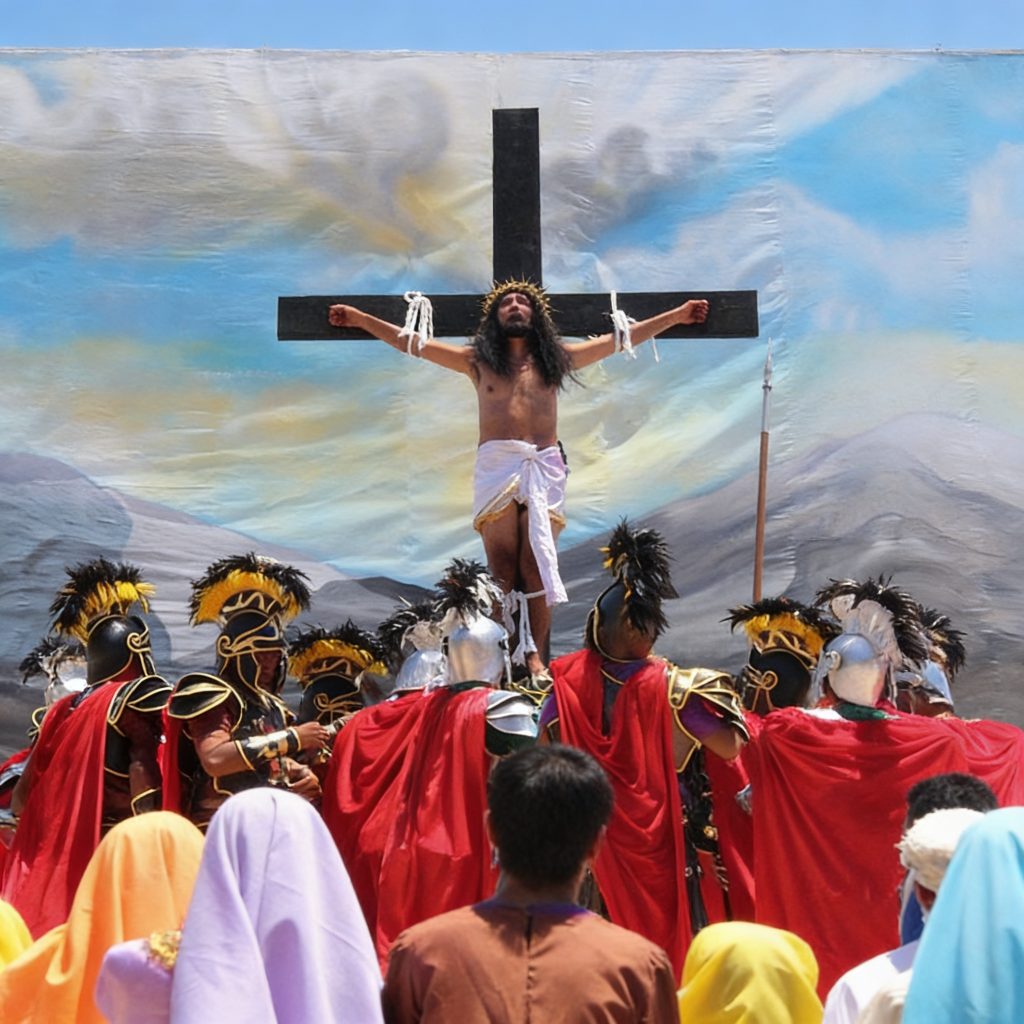
The Moriones Festival is not merely a tourist attraction or cultural curiosity. It is a profound expression of faith where thousands of devotees—both locals and visitors—participate in dramatic reenactments that bring biblical stories to life. The festival centers on the search for Longinus, the blind Roman centurion who pierced Christ’s side during the crucifixion and miraculously regained his sight through Christ’s blood. This legend, combined with elaborate costumes, hand-painted masks, and street performances, creates an atmosphere that is simultaneously solemn and jubilant, terrifying and beautiful.
If you’re planning a Holy Week pilgrimage or seeking to deepen your understanding of Filipino Catholic traditions, the Moriones Festival offers an unparalleled opportunity to witness faith in action. This article explores the history, traditions, spiritual significance, and practical details of this remarkable celebration, helping you understand why millions of Filipinos consider the Moriones Festival an essential part of their Holy Week observance.
The Legend Behind the Moriones Festival: Understanding Longinus
To truly appreciate the Moriones Festival, you must first understand the legend that inspired it. The story of Longinus is one of the most compelling narratives in Christian tradition, blending biblical history with centuries of spiritual interpretation.
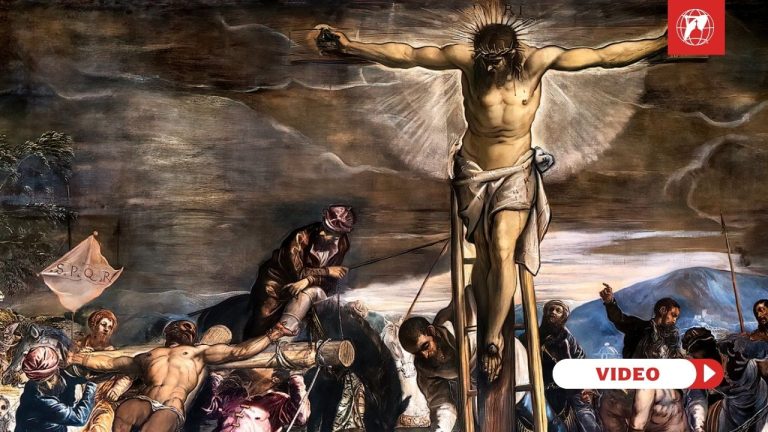
According to the Gospel accounts, Longinus was a Roman centurion stationed at Golgotha during the crucifixion of Jesus. As Christ hung on the cross, Longinus—who was blind—was tasked with piercing Jesus’ side with his spear to verify that he was dead. In that moment of piercing, blood and water flowed from Christ’s wound, and according to legend, some of this blood fell into Longinus’ eyes.
The miracle occurred instantly. Longinus’ blindness vanished, and his eyes were opened—not just physically, but spiritually. He recognized Jesus as the Son of God and became one of the first converts to Christianity. This transformation from blindness to sight, from disbelief to faith, became the central metaphor of the Moriones Festival. Longinus represents every person who encounters Christ and experiences spiritual awakening.
The Moriones Festival reimagines this legend as a dramatic search. Throughout the week, masked Roman soldiers—the Morions—roam the streets of Marinduque’s towns in search of Longinus. The search is playful yet solemn, filled with mock sword duels, theatrical antics, and moments of profound spiritual intensity. The festival culminates in the beheading of Longinus on Easter Sunday, symbolizing his martyrdom and his ultimate triumph through Christ’s resurrection.
Marinduque’s Moriones Festival
At the heart of the Moriones Festival stand the Morions themselves—men and women dressed as Roman soldiers with elaborate, hand-painted masks and intricately designed costumes. The term “Moriones” derives from “morrion,” a Spanish word referring to a type of helmet worn during the 16th and 17th centuries. The helmets worn by the Morions attempt to recreate this historical design, though they are far more ornate and theatrical than their historical counterparts.
The costumes of the Morions are works of art. Each outfit includes a tunic, breastplate, and helmet, all meticulously crafted by local artisans. The masks, however, are the true centerpiece. Hand-painted with emotive expressions—some fierce and intimidating, others comical or grotesque—these masks create an arresting visual effect. The masks serve a dual purpose: they conceal the wearer’s identity, allowing them to embody the character of a Roman soldier, while simultaneously revealing the wearer’s spiritual commitment through the elaborate artistry.
Many Morions wear their costumes for days on end, enduring the heat and discomfort of Marinduque’s tropical climate. This physical sacrifice is intentional. For many participants, wearing the Morion costume is a fulfillment of a “panata”—a religious vow made to God in exchange for answered prayers or blessings received. Some Morions have participated in the festival for decades, making it a lifelong spiritual practice.
The Morions are not merely performers; they are pilgrims. As they march through the streets, they engage in playful interactions with crowds, perform mock sword duels, and create an atmosphere of electric energy. Yet beneath the theatrical elements lies a profound spiritual purpose: to reenact the search for Longinus and, by extension, to invite each observer to reflect on their own spiritual journey.
The Moriones Festival Schedule: A Week of Spiritual Drama
The Moriones Festival unfolds over seven days, from Holy Monday through Easter Sunday, with each day bringing new dramatic reenactments and processions. Understanding the festival’s schedule helps you appreciate the progression of spiritual themes and the building intensity of the celebration.
Holy Monday and Holy Tuesday mark the beginning of the festival. Morions begin their search for Longinus, marching through the streets in their elaborate costumes. Local performers reenact scenes from the Passion of Christ, setting the spiritual context for the week ahead. The atmosphere is one of anticipation and reverence.
Holy Wednesday intensifies the drama. More Morions join the processions, and the mock sword duels become more elaborate. Street plays depicting the Passion of Christ are performed in various locations, drawing larger crowds. The energy builds as the festival approaches its spiritual climax.
Maundy Thursday brings the first major procession of the week. Thousands of Morions and spectators gather to witness elaborate reenactments. The search for Longinus becomes more urgent and theatrical. This day marks the beginning of the Easter Triduum, the three most sacred days of the Christian year.
Good Friday is the most solemn day of the festival. The Morions’ antics give way to more reverent reenactments of the Passion and crucifixion. The atmosphere shifts from playful to deeply spiritual. Many participants fast or engage in acts of penance.
Black Saturday maintains the solemn tone of Good Friday. The search for Longinus continues, but with a sense of anticipation for the resurrection to come. The Morions’ performances become more contemplative.
Easter Sunday brings the festival to its climax with the dramatic beheading of Longinus. This reenactment, while violent in appearance, is deeply symbolic—it represents Longinus’ martyrdom and his ultimate victory through Christ’s resurrection. The day concludes with celebrations of the Resurrection, marking the end of the Moriones Festival and the beginning of the Easter season.
The Towns of Marinduque: Where the Moriones Festival Comes Alive
The Moriones Festival is not confined to a single location. Instead, it unfolds across multiple towns in Marinduque, each adding its own unique character and traditions to the celebration. Understanding these towns helps you plan your pilgrimage and experience the full scope of the festival.
Boac, the capital of Marinduque, is often considered the heart of the Moriones Festival. This town hosts some of the largest and most elaborate processions, attracting thousands of visitors. The streets of Boac are transformed into a stage where the drama of the Passion unfolds with theatrical grandeur.
Gasan is known for its particularly creative and artistic interpretations of the Morions. The masks and costumes in Gasan are often considered among the most beautifully crafted in the province, reflecting generations of artistic tradition.
Santa Cruz brings a unique spiritual intensity to the festival. The processions here are marked by a deep sense of reverence and communal participation. Many locals consider Santa Cruz the spiritual heart of the Moriones Festival.
Buenavista and Mogpog round out the major festival towns, each contributing their own traditions and interpretations. Together, these five towns create a network of spiritual pilgrimage sites where the Moriones Festival unfolds in all its complexity and beauty.
The Spiritual Significance of the Moriones Festival
Beyond its theatrical elements and cultural appeal, the Moriones Festival carries profound spiritual significance rooted in Catholic theology and the mystery of redemption. Understanding this spiritual dimension transforms the festival from a mere spectacle into a transformative spiritual experience.
The festival’s central theme—the search for Longinus and his conversion—speaks to the heart of Christian faith: the possibility of spiritual transformation and redemption. Longinus represents every person who encounters Christ and experiences a fundamental change in their understanding of God and themselves. His journey from blindness to sight mirrors the spiritual journey of every believer.
The Moriones Festival invites participants and observers to reflect on their own spiritual blindness. What prevents us from seeing Christ clearly? What obstacles block our path to deeper faith? The festival’s dramatic reenactments pose these questions implicitly, inviting each person to examine their own spiritual condition.
The masks worn by the Morions carry symbolic weight as well. In covering the wearer’s face, the masks strip away individual identity and allow the wearer to embody a spiritual archetype—the Roman soldier, the seeker, the instrument of God’s will. This anonymity paradoxically deepens the spiritual authenticity of the performance. The Morions are not performing for personal glory; they are fulfilling a sacred vow.
The physical sacrifice involved in wearing elaborate costumes for days in tropical heat reflects the Christian understanding of penance and mortification. Many Morions view their participation as a form of spiritual discipline, a way of uniting their suffering with Christ’s redemptive suffering. This practice echoes the ancient Christian tradition of fasting and self-denial during Lent and Holy Week.
Participating in the Moriones Festival: A Pilgrimage Guide
If you’re considering attending the Moriones Festival, understanding how to participate respectfully and meaningfully will enhance your experience. The festival welcomes both locals and visitors, though it’s important to approach it with reverence and cultural sensitivity.
Timing and Planning: The Moriones Festival runs during Holy Week, typically in late March or early April. Book accommodations well in advance, as Marinduque fills with pilgrims and tourists during this period. Plan to arrive a day or two before Holy Monday to acclimate to the island and prepare spiritually for the week ahead.
Dress Appropriately: While the Morions wear elaborate costumes, visitors should dress modestly and respectfully. Remember that you are witnessing religious reenactments, not attending a carnival. Comfortable walking shoes are essential, as you’ll be moving through crowds and walking considerable distances.
Participate in the Processions: Don’t simply observe from the sidelines. Join the processions, walk with the crowds, and participate in the prayers and hymns. The Moriones Festival is most meaningful when experienced as a communal spiritual practice rather than a spectator event.
Engage with Local Traditions: Attend the street plays and reenactments. Speak with local participants about their experiences and motivations. Many Morions are happy to share their stories and explain the significance of their participation. This engagement deepens your understanding of the festival’s spiritual meaning.
Respect Sacred Spaces: The churches of Marinduque are central to the Moriones Festival. Attend the liturgies, participate in the Masses, and spend time in prayer. These sacred spaces are not tourist attractions but places of genuine spiritual significance.
Experience Local Hospitality: Marinduque’s people are known for their warmth and hospitality. Accept invitations to share meals, participate in family gatherings, and experience the festival through the eyes of locals. This personal connection enriches your pilgrimage immeasurably.
The Cultural and Artistic Dimensions of the Moriones Festival
Beyond its spiritual significance, the Moriones Festival is a remarkable expression of Filipino artistic and cultural creativity. The masks, costumes, and performances represent centuries of artistic tradition and contemporary innovation.
The mask-making tradition is particularly noteworthy. Local artisans spend weeks or months crafting individual masks, each one a unique work of art. The masks are typically made from papier-mâché or lightweight wood, then hand-painted with intricate designs. The expressions range from terrifying to comical, reflecting the full spectrum of human emotion and the complexity of spiritual experience.
The costumes themselves showcase Filipino textile and design traditions. The tunics and breastplates incorporate traditional weaving patterns and materials. The helmets are often adorned with feathers, jewels, and other decorative elements that reflect both historical accuracy and contemporary artistic sensibility.
The street plays and reenactments demonstrate the theatrical sophistication of Filipino culture. These performances are not scripted in the Western theatrical sense; instead, they follow traditional patterns and themes while allowing for improvisation and creative interpretation. The result is a form of living theater that evolves and adapts while maintaining its essential spiritual and cultural meaning.
The Moriones Festival has become increasingly recognized internationally as a significant cultural event. In recent years, efforts have been made to preserve and promote the festival’s traditions while adapting to modern tourism and cultural changes. This balance between tradition and innovation ensures that the Moriones Festival remains vibrant and relevant for future generations.
The Moriones Festival and Modern Filipino Spirituality
In contemporary Filipino society, the Moriones Festival represents a vital connection to traditional Catholic spirituality and cultural identity. As modernization and globalization reshape Filipino life, festivals like the Moriones Festival serve as anchors to deeper spiritual and cultural roots.
For many Filipinos, participating in the Moriones Festival is a way of fulfilling a family tradition passed down through generations. Parents bring their children to witness the festival, teaching them about their faith and cultural heritage. The festival becomes a rite of passage, a moment when young people connect with their spiritual and cultural identity.
The Moriones Festival also serves as a counterpoint to the commercialization of Holy Week. While many Filipinos use Holy Week as an opportunity for vacation and leisure travel, the Moriones Festival insists on the spiritual seriousness of the season. It demands active participation, physical sacrifice, and genuine spiritual engagement.
In an increasingly secular world, the Moriones Festival stands as a powerful testimony to the enduring importance of faith in Filipino life. The thousands of Morions who participate, the hundreds of thousands who attend, and the millions who follow the festival through media all affirm that faith remains central to Filipino identity and values.
Planning Your Moriones Festival Pilgrimage: Practical Considerations
If you’re inspired to experience the Moriones Festival, here are practical considerations to ensure a safe, meaningful, and enjoyable pilgrimage.
Transportation: Marinduque is accessible by ferry from Lucena City or by air from Manila. Ferry travel is economical but can be rough during Holy Week due to increased passenger loads. Flying is more expensive but faster and more comfortable. Book transportation well in advance.
Accommodations: Hotels and guesthouses in Marinduque fill quickly during Holy Week. Book accommodations months in advance. Consider staying in one of the five main festival towns (Boac, Gasan, Santa Cruz, Buenavista, or Mogpog) to be close to the major processions.
Budget: The Moriones Festival is relatively affordable compared to other major Filipino festivals. Budget for accommodations, meals, local transportation, and modest donations to churches and local communities. Many tour operators offer package deals that include accommodations, meals, and guided tours.
Health and Safety: Marinduque is generally safe, but exercise normal travel precautions. The tropical climate can be hot and humid; stay hydrated and use sunscreen. The crowds during the festival can be large; keep valuables secure and stay aware of your surroundings.
Spiritual Preparation: Prepare spiritually for your pilgrimage through prayer, fasting, and the Sacrament of Confession. Approach the festival with an open heart and a genuine desire to deepen your faith. This spiritual preparation will enhance every aspect of your experience.
The Moriones Festival as a Path to Spiritual Transformation
The Moriones Festival is far more than a colorful cultural event or a tourist attraction. It is a profound spiritual experience that invites every participant and observer to embark on a journey of faith and transformation. Through the search for Longinus, through the dramatic reenactments of the Passion, through the communal participation of thousands of devotees, the Moriones Festival embodies the central mystery of Christian faith: the possibility of redemption and spiritual awakening.
As you reflect on the Moriones Festival and consider whether to participate in this remarkable celebration, remember that the festival’s deepest meaning lies not in its theatrical spectacle but in its spiritual invitation. The festival asks you to examine your own spiritual journey, to recognize areas of spiritual blindness in your own life, and to open yourself to the transformative power of Christ’s love and redemption.
If the Moriones Festival has stirred your heart and deepened your desire for spiritual growth, I encourage you to take concrete steps to strengthen your faith. First, approach the Sacrament of Confession with a sincere heart, bringing your struggles, doubts, and spiritual blindness before God’s mercy. The confessional is a place of profound healing and transformation, just as Longinus’ encounter with Christ was transformative.
Second, spend time in Eucharistic Adoration. Sit in the presence of the Blessed Sacrament and allow Christ’s presence to work in your heart. In the silence and stillness of adoration, you may experience the same spiritual awakening that Longinus experienced when Christ’s blood touched his eyes.
Third, pray the Holy Rosary regularly. The Rosary is a powerful spiritual tool that helps us meditate on the mysteries of Christ’s life, death, and resurrection. As you pray the Sorrowful Mysteries during Lent and Holy Week, you unite your prayers with Christ’s redemptive suffering and with the devotion of millions of Catholics throughout history.
Fourth, make a commitment to hear Mass regularly, not just during Holy Week but throughout the year. The Mass is the center of Catholic spiritual life, the place where we encounter Christ in the Eucharist and are nourished by his body and blood. Active participation in the Mass—singing, praying, and receiving the Eucharist—deepens our union with Christ and strengthens our faith.
Finally, commit to reading and reflecting on Sacred Scripture. The Gospels tell the story of Christ’s life, passion, death, and resurrection. By reading Scripture regularly and meditating on its meaning, you allow God’s word to transform your heart and mind. The Moriones Festival itself is rooted in Scripture; by deepening your knowledge of the Gospels, you deepen your appreciation of the festival’s spiritual significance.
The Moriones Festival reminds us that faith is not merely an intellectual assent to doctrines but a lived, embodied, communal experience. It calls us to move beyond passive belief into active participation in the life of the Church and the mystery of redemption. Whether you experience the Moriones Festival in person or through this article, may it inspire you to deepen your own spiritual journey and to open your eyes—as Longinus opened his eyes—to the transformative power of Christ’s love.