Sisters on the Digital Frontier: How Faith Illuminates AI
Did you know that far from shying away from new technologies, Korean Catholic Nuns are embracing Artificial Intelligence (AI) as a powerful tool for good? In a world increasingly shaped by algorithms and data, these religious women offer a beautiful example of how faith can illuminate the path for ethical technological advancement. Their proactive engagement demonstrates a profound commitment to serving humanity and spreading the Gospel in the digital age.
The rapid evolution of AI presents both immense opportunities and complex ethical challenges. How do we ensure this powerful technology serves humanity and upholds our spiritual values? This is precisely the question that gathered religious communities in Seoul for a special lecture on AI ethics and faith. The insights shared by these dedicated women religious provide a vital roadmap for all believers navigating the digital landscape.
The Church has always been at the forefront of human progress, and the digital revolution is no exception. By engaging with AI, these sisters are not just keeping up with the times; they are actively shaping the future. They are ensuring that as we build more intelligent machines, we do not lose sight of the unique, God-given intelligence and dignity of the human person. This journey into the digital frontier is a testament to the enduring relevance of faith in an ever-changing world.
Way 1: Enhancing Ministry Through Data & Content with AI Wisdom
In South Korea, Catholic nuns are thoughtfully integrating AI into their daily ministries, transforming how they manage information and create content. They are not merely adopting technology; they are sanctifying it, ensuring its use aligns with their mission of service and evangelization. This approach frees up valuable time and resources, allowing them to focus more deeply on pastoral care and spiritual guidance.
Religious communities are leveraging AI tools for tasks such as searching vast amounts of data, creating engaging educational content, and streamlining administrative processes. Imagine the efficiency gained when AI assists in organizing theological texts for a study group or drafting initial outlines for catechetical materials. This strategic use of technology allows the sisters to reach more people, more effectively, with the timeless message of faith.
Furthermore, AI can assist in translating religious materials into multiple languages, a crucial capability for the diverse and multi-lingual communities across the Asia Pacific region. By breaking down language barriers, these sisters are fostering a more inclusive and connected faith community. This use of AI is a beautiful example of how technology can be harnessed to fulfill the Great Commission, bringing the light of Christ to every corner of the globe.
The sisters also use AI to analyze community needs and trends, allowing them to tailor their outreach programs more effectively. By understanding the specific challenges and interests of the people they serve, they can provide more relevant and impactful support. This data-driven approach, guided by compassion and faith, ensures that their ministries remain responsive and meaningful in a rapidly evolving society.
Actionable Tip: Consider how AI tools can help you organize your spiritual readings or create summaries of complex theological topics, allowing more time for prayer and reflection. You might use an AI assistant to help you find relevant Bible verses or Church documents on a specific topic you are studying.
Way 2: Ethical Reflection and Spiritual Formation in the Age of AI
The engagement of Korean Catholic nuns with AI goes far beyond practical application; it delves into deep ethical reflection and spiritual formation. They recognize that technology is not neutral and requires careful discernment. This commitment to ethical understanding was powerfully demonstrated at the Seoul lecture, titled “Faith in the Face of Technology: AI Ethics,” delivered by Fr. James Bang Jong-woo, a professor at the Catholic University of Korea.
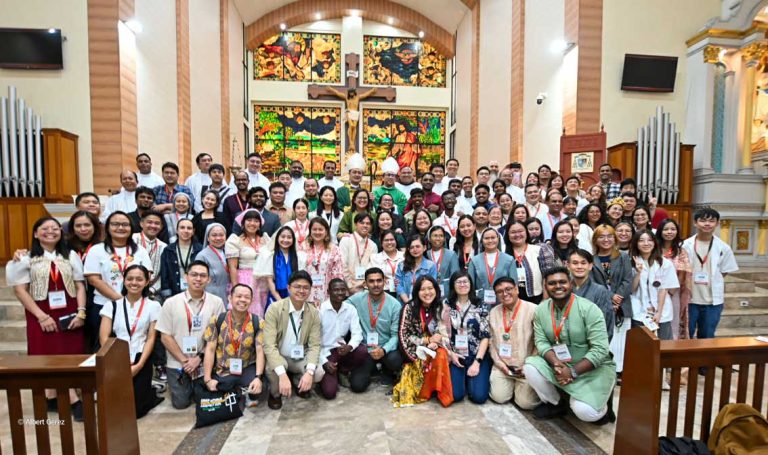
Approximately 250 participants, many of them women religious, gathered to explore the moral implications of AI. Fr. James emphasized that while AI mimics human communication, it must be used carefully and responsibly. He highlighted the critical distinction between human intelligence and machine-generated responses, urging a deeper spiritual awareness to navigate these changes. Sister Jung Yun-jin, secretary general of the organizing federation, echoed this sentiment, stressing the need to reflect on how to communicate the Gospel message effectively in today’s technologically advanced world.
This proactive approach to spiritual discernment ensures that AI remains a tool at humanity’s service, rather than becoming a master. It underscores the importance of continuous learning and ethical dialogue within faith communities to shape a technology that respects human dignity and promotes the common good. The sisters are leading the way in showing that being “tech-savvy” and “spiritually grounded” are not mutually exclusive, but rather complementary qualities for the modern believer.
They are also exploring the potential risks of AI, such as the creation of “echo chambers” or the spread of misinformation. By understanding these dangers, they can better equip their communities to navigate the digital world with wisdom and critical thinking. This focus on ethical education is a vital part of their ministry, helping people to use technology in ways that enhance, rather than diminish, their spiritual lives and relationships.
Personal Anecdote (Hypothetical): Sister Maria, a young nun attending the lecture, shared, “Before this, I saw AI as just a tool. Now, I understand it as a mirror reflecting our own ethics. My faith calls me to ensure that reflection is pure and serves God’s children. It’s not just about what the machine can do, but about who we are becoming as we use it.”
Way 3: Advocating for Human-Centered AI: A Call to Common Good
Korean Catholic nuns are not just passive users or ethical reflectors; they are active advocates for human-centered AI. Their engagement extends to shaping the broader conversation around AI development, ensuring that this powerful technology contributes to the common good and upholds the dignity of every person. This aligns with the Church’s consistent teaching that technology must always serve humanity, not the other way around.
Fr. James Bang Jong-woo articulated this beautifully, stating, “AI is evidence of humanity’s ability to participate responsibly in God’s creative work. But it must always serve humanity and contribute to the common good according to the teachings of the Church.” He further reminded attendees that machines are “creatures of creatures,” gifts of human creativity that must never deprive us—God’s creatures—of our freedom and dignity.
This advocacy is a vital witness, reminding the tech world that ethical considerations are paramount. It encourages developers and policymakers to prioritize principles like transparency, accountability, and fairness, ensuring AI systems are designed to uplift, not exploit. The nuns, through their example, call all of us to be vigilant stewards of technological progress, ensuring that the “digital soul” of our society remains rooted in compassion and justice.
Their advocacy also involves reaching out to tech companies and researchers to share the Church’s ethical perspectives. By engaging in these dialogues, they are helping to bridge the gap between the secular tech world and the spiritual realm. This collaborative effort is essential for building a future where technology and faith work together to solve the world’s most pressing problems and promote human flourishing.
Furthermore, the sisters are advocating for the ethical use of AI in areas like healthcare and social services, where the impact on human lives is most direct. They are calling for AI systems that are unbiased, transparent, and always subject to human oversight. Their voice is a powerful reminder that behind every algorithm is a human person whose rights and dignity must be protected.
A Faithful Future with AI: Your Role in Spiritual Stewardship
The inspiring example of Korean Catholic nuns demonstrates that faith and technology are not opposing forces but can, in fact, work in harmony for the greater good. Their thoughtful integration of Artificial Intelligence, guided by deep ethical reflection and a commitment to human dignity, offers a powerful model for all of us. As AI continues to reshape our world, we are called to engage with it not with fear, but with faith, wisdom, and responsibility.
Just as these nuns seek spiritual discernment in their use of AI, we too are invited to deepen our spiritual lives to navigate the complexities of modern life. Regular participation in the Sacraments, particularly Confession, allows us to examine our conscience and ensure our actions, including our engagement with technology, align with God’s will. Spending time in Adoration before the Blessed Sacrament provides a sanctuary for quiet reflection, helping us to discern the ethical implications of new advancements.
Praying the Rosary can strengthen our spiritual armor, guiding our thoughts and intentions towards what is good and true in the digital realm. Attending Mass regularly nourishes our souls with the Eucharist, empowering us to be agents of Christ’s love and wisdom in every sphere, including technology. Finally, daily Bible reading offers timeless principles and moral guidance, equipping us to evaluate AI through the lens of divine truth. These spiritual practices are not just rituals; they are essential tools for cultivating the wisdom and discernment needed to ensure AI truly serves humanity and glorifies God.
We must also remember that technology, no matter how advanced, can never replace the authentic human connection that is at the heart of our faith. While AI can assist us in many ways, it is our personal relationship with God and with one another that truly sustains us. Let us use technology as a bridge to build deeper connections, to serve those in need, and to share the beauty of our faith with the world.
Let the example of these Korean Catholic nuns inspire you to engage thoughtfully with technology, always seeking to use it for good and to build a more just and compassionate world. Share this article with others who might benefit from this inspiring perspective, and join the conversation in the comments below. How do you integrate faith and technology in your daily life? What are your hopes and concerns for the future of AI in our faith communities?