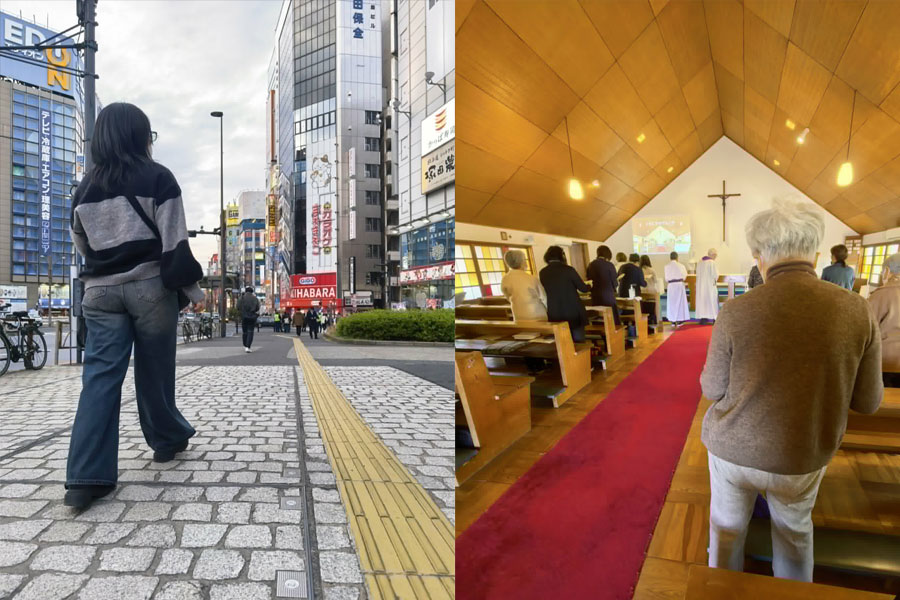
TOKYO, Japan — In a nation where the “shackle of silence” often defines the final years of the elderly, Japan is facing a social crisis of unprecedented proportions. Recent data reveals that in 2025 alone, approximately 77,000 individuals were found dead in their homes, undiscovered for days or even weeks, a phenomenon known as kodokushi, or “lonely death”. Against this backdrop of isolation and loneliness crisis, the Catholic Church in Japan is emerging as a “field hospital,” offering a “second home” and a seat at the table for those forgotten by a “throwaway culture”.
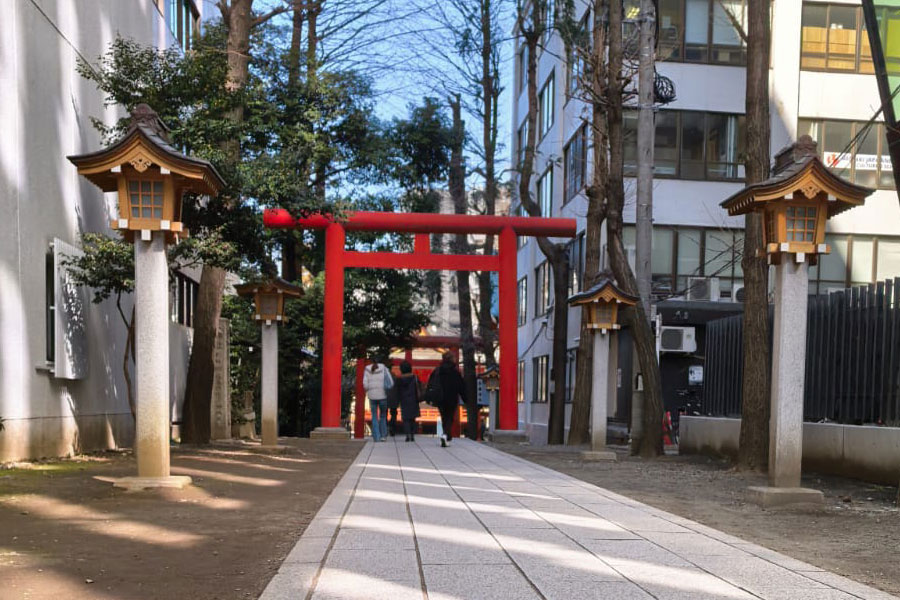
The crisis of loneliness in Japan is not merely a demographic challenge but a spiritual one. With over 7 million elderly people living alone, the “domestic church” is often reduced to a single person sitting “alone at the table”. This isolation is a signal of a society that, despite its technological connectivity, has lost the “holy hospitality” of the shared meal and the communal life.
A Response to Kodokushi
For the small but vibrant Catholic community in Japan, the response to kodokushi is rooted in the “Church of the Table.” Fr. Corros, a local priest, emphasizes that for those with no family, the parish must become their primary community. “They stay, share meals, and spend time together,” he noted, highlighting that the Eucharist is the “source and summit” of a connection that transcends physical proximity.
This “radical hospitality” is a direct challenge to the “culture of disposal” that Pope Francis has frequently denounced. In his 2019 visit to Tokyo, the Holy Father spoke directly to those suffering from alienation, reminding them of the “freedom of knowing that we are God’s beloved children”. The Church’s mission in Japan is to move these individuals from the “peripheries of isolation” to the “center of communion.”
| The Crisis of Loneliness in Japan | Statistical & Cultural Reality | The Church’s Pastoral Response |
| Kodokushi (Lonely Death) | 77,000 cases in 2025; 1/3 of police-handled cases. | Providing “spiritual accompaniment” and dignified burials. |
| Elderly Living Alone | Over 7 million individuals. | Creating “parish families” and communal meal programs. |
| Social Isolation | Widespread among youth and elderly alike. | Promoting the “theology of the table” and Fratelli Tutti. |
| Throwaway Culture | Devaluation of the non-productive or elderly. | Affirming the “infinite dignity” of every human person. |
From “Mission Territory” to “Missionary Agent” of Hope
While Japan has long been considered a “mission territory” with a Christian population of less than 1 percent, the current crisis is transforming local parishes into “missionary agents” of hope. By opening their doors to the lonely, the Church is practicing a form of “silent evangelization” that speaks louder than words in a secularized society.
The “hidden chapter” of Japan’s response to its silent loneliness crisis includes the innovative use of technology to foster connection, but the Church remains steadfast in its belief that nothing can replace the physical presence of the community. As the nation grapples with the shackle of indifference, the Catholic table remains a place where no one is excluded and where the “bread of life” is shared in a spirit of true fraternity.
A Springtime of Connection
As Japan implements the world’s first federal law addressing loneliness, the Church’s role as an ambassador of hope is more critical than ever. The goal is to create a “springtime of connection” where the elderly are no longer alone but are recognized as the living memory of the community.
The witness of the Japanese Church is a reminder to the universal Body of Christ that the consistent ethic of life includes the defense of the lonely and the marginalized. In the words of Pope Francis, “There is room for each person at God’s table,” and it is the mission of the faithful to ensure that this invitation is extended to the furthest peripheries of the world.
As we reflect on the silent loneliness crisis in Japan, let us resolve to renew our own commitment to the “hospitality of the heart.” Let us resolve to:
- The Sacrament of Confession: To seek freedom from the “sin of indifference” that prevents us from noticing the lonely in our own neighborhoods.
- Eucharistic Adoration: To pray for the people of Japan, especially the elderly and those living in isolation and silent loneliness, that they may feel the warmth of God’s love.”
- The Holy Rosary: To entrust the lonely and the forgotten to the maternal protection of Mary, the “Comforter of the Afflicted.”
- The Holy Mass: To offer our participation in the Holy Sacrifice for the missionary agents in Japan who are building a culture of encounter.
- Sacred Scripture: To meditate on the words of Jesus: “I was a stranger and you welcomed me” (Matthew 25:35), seeking to be the “hands and feet” of Christ for those who are alone.
To remain informed about Catholic life, teachings, and global Church developments, readers may be encouraged to visit www.ewtnvatican.com for trusted Catholic news and resources.
Watch Catholic Programming Wherever You Are: EWTN Flix

How to Get Started with EWTN Flix
You might be surprised at how simple it is to start your journey. Because our mission is to provide people real Answers and not Promises, by providing free access to the truth and lead people back to the Eucharist through the sacraments, we have made the process as frictionless as possible.
Download the App: You can find EWTN Flix on both the Apple App Store and the Google Play Store. Simply search for “EWTN Flix” and click install.