Catholic schools are being called to become more than places of academic formation. They are being challenged to become sanctuaries of hope where young people can feel seen, loved, and guided toward Christ amid the pressures of modern life.
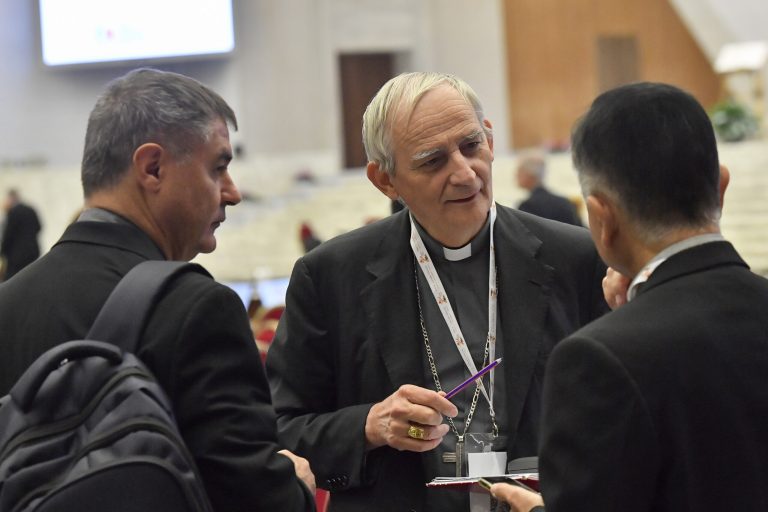
Cebu Archbishop Alberto “Abet” Uy delivered this message during the closing Mass of the Catholic Educational Association of the Philippines (CEAP) National Convention in Cebu City, urging educators to look beyond grades and curricula and recognize the struggles that young people may carry quietly in classrooms and online.
Seeing the Young Person Behind the Student
Archbishop Uy emphasized that Catholic education must pay attention to students who may be experiencing anxiety, loneliness, bullying, or other difficulties that are not immediately visible.
For Catholic schools, this means creating environments where young people can speak openly and seek help without fear of judgment. The archbishop highlighted the importance of guidance counseling, teacher formation, clear reporting channels, and spaces where students can be listened to with compassion.
The call reflects a deeper understanding of education: a student is not simply a name on a class list or a set of grades, but a person whose dignity, struggles, hopes, and relationship with God matter.
Making Faith Part of the Whole Formation
Archbishop Uy also challenged schools to make Catholic identity something that permeates the entire educational experience rather than something confined to religion classes.
Every subject, he explained, can contribute to the formation of conscience. Science can encourage respect for life and creation, while business and accounting can raise questions of honesty and integrity. As artificial intelligence becomes increasingly present in education, students can likewise be formed to ask not only what technology can do, but how it should be used responsibly.
This vision places wisdom alongside knowledge. Catholic education seeks not only to prepare young people for examinations, universities, and careers, but to help them discern what is true, what is right, and what God is asking of them.
A School Where Christ Can Be Encountered
At the heart of Archbishop Uy’s message is the conviction that Catholic education ultimately leads young people toward an encounter with Jesus Christ.
A school may provide excellent instruction and prepare students for successful careers, but its mission reaches deeper when its community helps young people discover faith, purpose, and the presence of God.
The Archdiocese of Cebu reported that Archbishop Uy encouraged schools to provide opportunities for students to spend meaningful time with God in chapels and prayer rooms. Such spaces can offer young people moments of silence and reflection amid the noise and demands of everyday life.
This becomes especially important for students who may feel isolated or overwhelmed. A Catholic school can become a place where they discover that they do not have to carry their burdens alone.
Educators, Too, Need Hope
The call to care for young people also extends to those who educate them. Archbishop Uy reminded school leaders that teachers themselves need care, noting that exhausted educators can struggle to provide the steady presence and hope their students need.
He also invited administrators to examine whether the dignity taught in the classroom is reflected in the way every member of the school community is treated, including maintenance workers, security personnel, and those who are most vulnerable.
The witness of a Catholic school, therefore, is expressed not only through what it teaches but through how its people treat one another.
Becoming a Constellation of Hope
The CEAP National Convention, held in Cebu City from September 22 to 25, gathered more than 3,500 Catholic educators, school leaders, and education stakeholders under the theme “Newness in Catholic Education: Charting a Constellation of Hope.”
The image of a constellation offers a fitting vision for Catholic education. Each school, educator, and community can become a small but visible light, helping young people navigate a world that can often feel uncertain and overwhelming.
For the Church, the mission of Catholic education is ultimately inseparable from the mission of hope. Young people need more than information; they need communities where they are recognized in their dignity, accompanied through difficulty, formed in conscience, and introduced to the love of Christ.
A Spiritual Resolution
- Confession: May young people discover in the Sacrament of Reconciliation the mercy of Christ and the freedom to begin again.
- Adoration: May time before the Blessed Sacrament teach hearts to become still and recognize that God remains present even in moments of uncertainty.
- The Rosary: May families, teachers, and students turn to Mary for guidance, protection, and the courage to remain close to Christ.
- The Eucharist: May Catholic schools lead young people toward the Eucharist, where Christ gives Himself as the source of Christian life and communion.
- Scripture: May the Word of God become a lasting source of wisdom and hope, guiding young people to discern what is true, good, and pleasing to God.
As pilgrims from the Philippines and beyond continue to come to Santo Tomas, the newly declared International Shrine begins a new chapter in its mission to lead the faithful closer to Christ. St. Padre Pio, pray for us.
Follow www.ewtnvatican.com or EWTN Asia Pacific for Catholic news, stories of faith, and developments from the Church across our region.