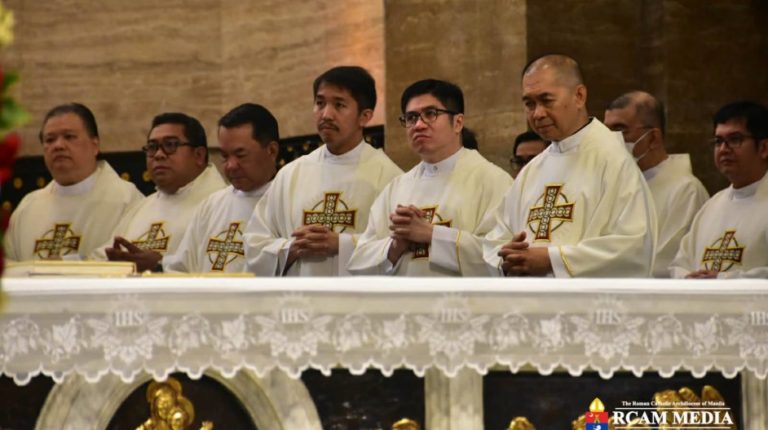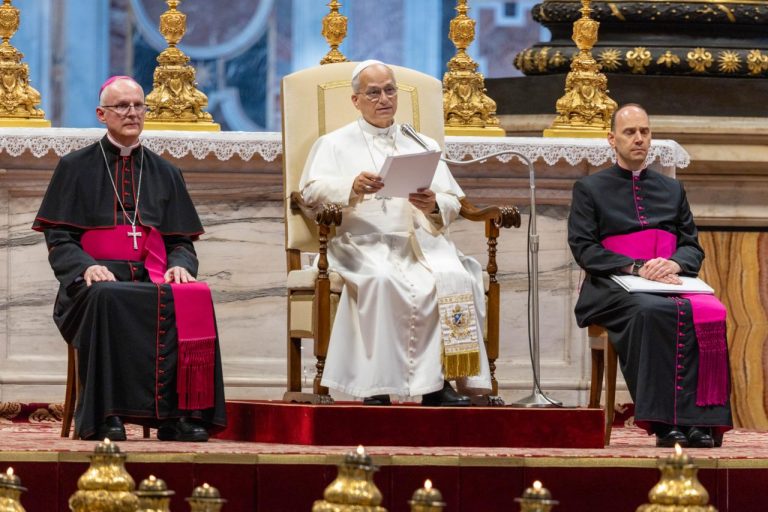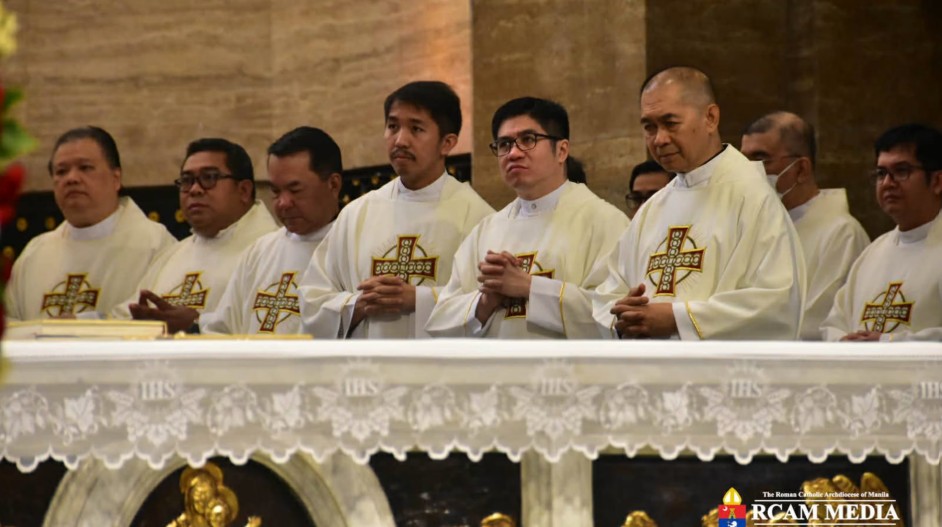
We see Priests every Sunday, vested and steady at the altar, guiding us through the familiar rhythm of Mass. We call him when life falls apart, when someone dies, a marriage breaks, or a child is in trouble, and we simply expect him to show up. But how often do we stop to ask what his life actually looks like once he leaves the sanctuary? A closer look at the daily, largely invisible reality of priestly life reveals something many parishioners rarely consider: the men who carry us through our hardest and holiest moments are, more often than not, carrying that weight almost entirely alone.
The Hidden Rhythm of a Priest’s Daily Life
For many priests, the parish becomes their closest family. They serve as spiritual fathers, carrying the grief, confusion, guilt, and hope of those they serve, often without the privacy, home life, or family support others take for granted.
Each day brings the Eucharist, confessions, hospital visits, Communion to the sick, and emergency calls at all hours. Priesthood is not simply a job with set hours but a way of life, often requiring priests to remain on call through the night before returning to celebrate Mass the next morning.
A Life of Modest Means and Constant Uprooting
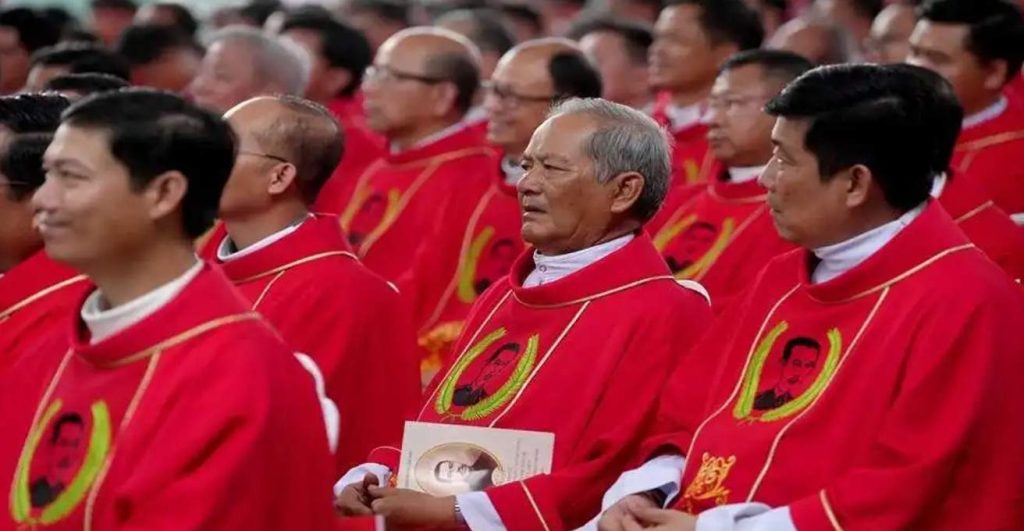
The financial reality behind priestly life is equally easy to overlook. A parish collection basket does not support a priest in any ordinary sense; most live on a modest stipend covering only the basics, food, clothing, and transportation. When a priest needs a holiday, he often saves for it through the generosity of friends or well-wishers, since there is no paid leave built into his vocation the way it might be for almost any other profession.
Just as a priest begins to truly know a parish, its families, its wounds, its rhythms, he is often reassigned. Priests are typically moved every five to seven years, leaving behind relationships they’ve spent years building to begin again somewhere entirely new: new names, new wounds, new expectations. Through all of this, they depend heavily on the lay volunteers who quietly keep parish life running in the background.
Why This Reflection Is Significant for the Church Today
This reflection offers an important corrective to how parishioners sometimes view priests: admiring them from a distance without understanding the demands and personal sacrifices of their vocation. Recognizing this reality is itself a form of pastoral care for those who spend their lives caring for others.
It also holds two truths together: genuine wrongdoing requires accountability, but the failures of a few should not erase the quiet fidelity of many. The reflection further highlights the everyday harm of careless gossip, which can unfairly damage a priest’s reputation before people truly know him.
When a Priest’s Own Suffering Goes Unnoticed
The reflection points to the story of Father Stan Swamy, a Jesuit priest who suffered and died in custody in his eighties, weakened by Parkinson’s disease and denied even basic dignity in his final months. His story is painful, but it serves an important purpose here: a reminder of how easily even a priest’s own suffering can go unnoticed by those he spent his life serving, especially once age, illness, or circumstance leave him unable to serve in the way he once did.
That example sharpens a question the whole reflection is built around: who checks on the priest when he is sick? Who sits with him when he is grieving? Who notices when he is quietly carrying more than anyone realizes?
The Ones Who Carry Also Need Carrying
Think of the priests who have walked with you through life’s most important moments: the one who baptized your children, heard your confession, witnessed your marriage, anointed your dying parent, or prayed with you when you had no words left. They carry those moments too, often quietly and without recognition, giving their lives in service without expecting anything in return.
Scripture offers a fitting image for what parishioners owe back in return: even Christ, carrying his own Cross toward Calvary, accepted help from Simon of Cyrene along the way. If Christ himself, in his humanity, did not carry his cross entirely without assistance, it seems reasonable that the men who spend their lives helping others carry theirs should not be expected to carry their own burdens in complete isolation either.
Small Ordinary Gestures
The reflection closes with a simple, practical conviction: admiration from a distance is not enough. Five small, ordinary gestures capture what genuine care for a priest can actually look like in daily parish life.
- Remembering his birthday and his ordination anniversary, two dates easily overlooked, yet deeply meaningful to a man who has given his life to a vocation few others fully understand.
- Inviting him to dinner, offering the same ordinary hospitality and company most people take for granted within their own families.
- Offering him a ride, or simply noticing the small, practical needs a priest rarely feels comfortable asking for himself.
- Sitting with him when he seems troubled, offering presence rather than distance, especially during the seasons when he is quietly carrying more than he can comfortably bear.
- Speaking honestly and kindly, correcting a mistake without cruelty when needed, and just as readily saying so when he is doing well, rather than letting gratitude go unspoken.
These are small ordinary gestures, but as the reflection insists, they matter far more than most parishioners realize.
To remain informed about Catholic life, teachings, and global Church developments, readers may be encouraged to visit www.ewtnvatican.com for trusted Catholic news and resources. Or watch catholic programming via EWTN flix app or EWTN Asia Pacific’s On Demand section