Bangkok, Thailand—As the Kingdom of Thailand prepares for pivotal general elections on February 8, 2026, the Catholic bishops of the nation have issued a clarion call to the faithful and all citizens to exercise their “moral duty” with wisdom and integrity. In a pastoral letter that serves as both a spiritual guide and a social conscience, the Church has urged voters to look beyond partisan interests and choose leaders who will uphold human dignity and the common good.
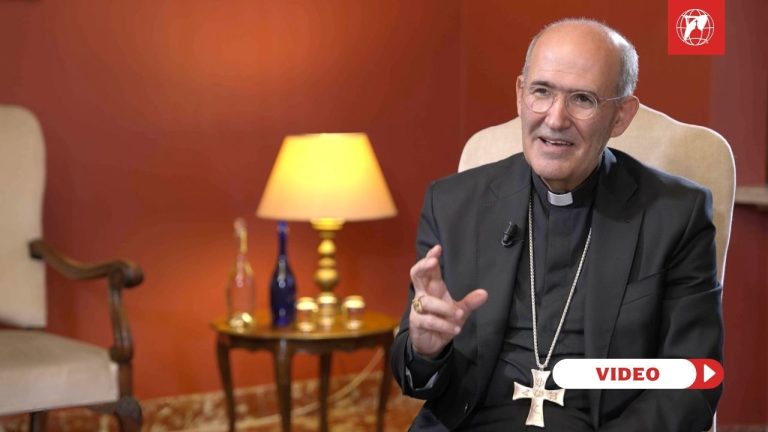
Archbishop Francis Xavier Vira Arpondratana of Bangkok, President of the Catholic Bishops’ Conference of Thailand (CBCT), articulated the Church’s stance in a pastoral letter dated January 27. He emphasized that while the Church remains strictly independent from any political party, it cannot remain indifferent to the moral foundations of society.
“Let this election be proof of our love for God and our neighbors,” Archbishop Arpondratana declared. “We pray for God’s blessing and wisdom for all citizens to choose leaders with strong morals and creative public policies”.
The Moral Duty of the Ballot
The bishops’ message is rooted in the Catechism of the Catholic Church (No. 2240), which teaches that citizens have a duty to contribute to the good of society, including the exercise of their right to vote. In a nation where Christians comprise less than 1% of the 66 million population, the bishops reminded the faithful that their participation is a vital “moral mission”.
The following table outlines the key criteria the Thai bishops have proposed for evaluating candidates:
| Criterion | Description |
| Human Dignity | Respect for the inherent value and rights of every person. |
| Common Good | Prioritizing the well-being of the entire community over personal or partisan gain. |
| Integrity | A spirit of sacrifice, trustworthiness, and a firm rejection of dishonest gain. |
| Preferential Option | A focus on the needs of the poor and the most vulnerable in society. |
| Participation | Allowing local citizens and communities to participate in decision-making. |
A Warning Against the “Hidden Tyranny”
The bishops’ guidance comes at a time of significant political transition and historical instability in Thailand. The nation has faced years of upheaval, including the dissolution of major opposition parties and the collapse of the previous government in 2025 [1]. Archbishop Arpondratana warned that a democracy without a moral foundation can easily devolve into what he termed a “hidden tyranny” that oppresses its people.
A critical concern highlighted in the pastoral letter is the integrity of the electoral process itself. The bishops issued a stern warning against fraudulent practices, specifically vote-buying and cheating, which they described as the “start of corruption that destroys the structure of society”.
“Political corruption is a betrayal of the people and a serious violation of social justice,” the Archbishop asserted, calling on citizens to be vigilant throughout every stage of the political process.
The Political Landscape of 2026
The upcoming polls follow a period of intense political maneuvering. Following the dissolution of the Move Forward Party in August 2024, its members reorganized under the People’s Party, led by Natthaphong Ruengpanyawut, who is considered a strong contender in the February 8 vote. The election will determine the composition of the House of Representatives and the future direction of a nation that has seen its freedom rating downgraded to “Not Free” by international observers in recent years.
Despite the challenges, the Church remains a “moral force,” encouraging Catholics to act as a social conscience. The bishops emphasized that the duty of a citizen does not end at the ballot box but continues through the monitoring and protection of moral truths in public life.
A Spiritual Resolution: Discernment and Participation
In this season of civic responsibility, the Catholic Church in Thailand invites all the faithful to a period of deep spiritual discernment and active participation in the life of the Church:
- Sacred Scripture: Let us reflect on the words of the Prophet Micah: “He has shown you, O mortal, what is good. And what does the Lord require of you? To act justly and to love mercy and to walk humbly with your God” (Micah 6:8). This divine mandate should guide our choices as we seek leaders who will govern with justice and humility.
- The Holy Eucharist: We are called to find our strength in the Holy Mass. By receiving the Eucharist, we are nourished to be “salt and light” in the world, bringing the values of the Gospel into the public square.
- The Sacrament of Confession: Before making significant decisions, we seek the Sacrament of Reconciliation to purify our intentions and ask for the grace of the Holy Spirit to discern the path that most honors God and serves our neighbor.
- The Holy Rosary: We turn to the Blessed Mother, Seat of Wisdom, through the Rosary, asking for her intercession for our nation, that the upcoming elections may be conducted in peace, truth, and justice.
- Eucharistic Adoration: Let us spend time in Adoration before the Blessed Sacrament, praying for all candidates and voters, that they may be moved by a spirit of service and a genuine desire for the common good.
For trusted updates on the Church’s mission in Asia and around the world, we encourage you to visit www.ewtnvatican.com.