The Call to Deeper Faith in Cebu’s Religious Communities
In the heart of Talisay City, where the Augustinian friars gather in prayer and contemplation, a profound truth echoes through the chapel walls: spiritual growth religious life is not a destination but a continuous journey of transformation. True spiritual growth religious life requires both the silence of the cell and the support of the brethren. The Augustinian friars in Cebu demonstrate how community accelerates the journey toward God, offering timeless wisdom that extends far beyond monastery walls.
For centuries, religious communities have served as beacons of spiritual excellence, guiding the faithful toward deeper encounters with Christ. Yet many Catholics wonder how the principles of religious life can be adapted by laypeople to deepen their own faith. This question becomes increasingly urgent in our modern world, where distractions fragment our attention and secular pressures challenge our spiritual commitments.
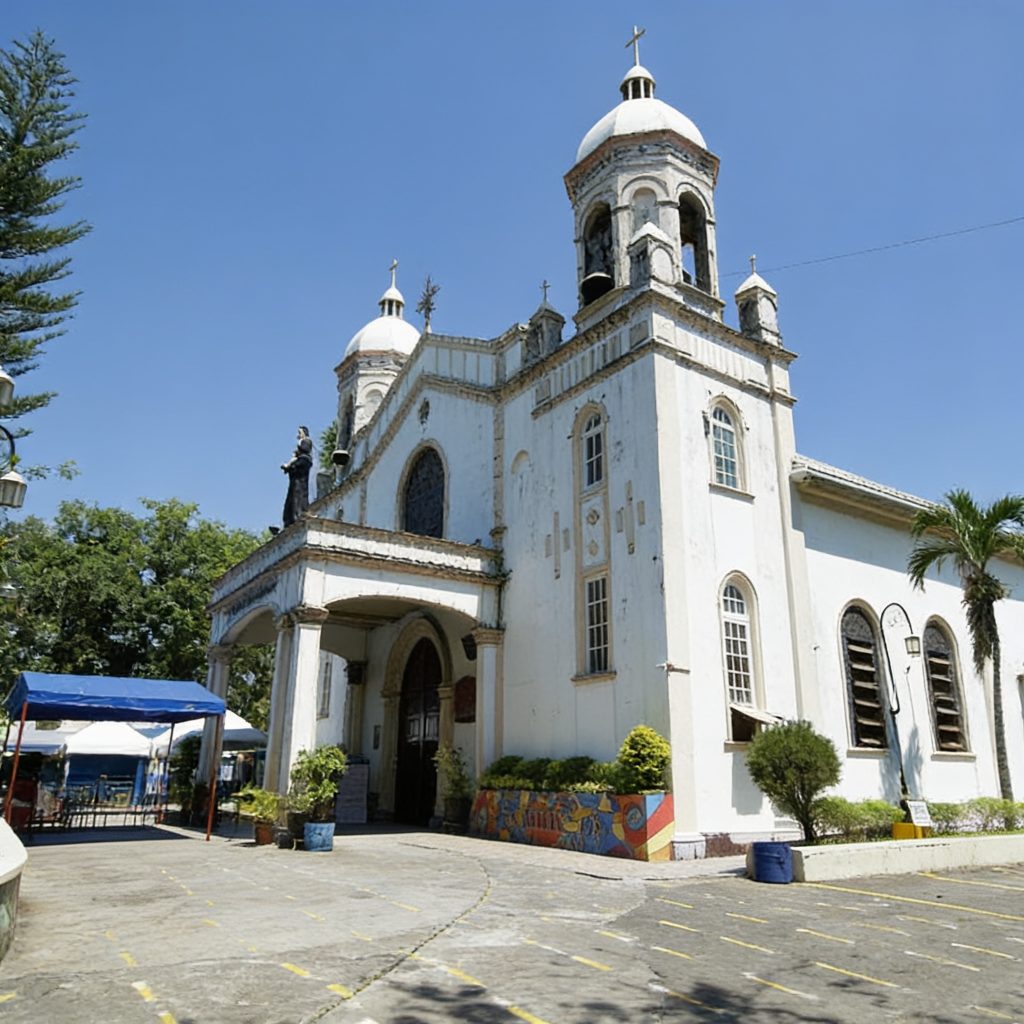
The Augustinian community in Cebu, particularly the Asia Pacific Augustinian Novitiate in Mohon, Talisay City, provides a living laboratory for understanding spiritual growth religious life. Whether you are discerning a religious vocation, seeking to strengthen your personal faith, or simply curious about how monastic practices can enrich your spiritual journey, this article explores nine meaningful ways that spiritual growth religious life practices can transform your relationship with God.
1. The Liturgy of the Hours: Sanctifying Every Moment of Your Day
The Liturgy of the Hours stands as one of the most powerful yet underutilized tools for spiritual growth religious life in the modern Church. In the Augustinian community in Cebu, friars begin their day not with coffee and email, but with the Psalms. This ancient practice, rooted in centuries of monastic tradition, structures the entire day around prayer.
The Liturgy of the Hours divides the day into distinct prayer times: Lauds at dawn, Terce at mid-morning, Sext at noon, None in the afternoon, Vespers at evening, and Compline before sleep. Each hour carries its own spiritual character, inviting the pray-er into a deeper communion with God. When you pray the Psalms, you are not merely reciting ancient words—you are joining your voice to the voice of the Church across all times and places.
For those seeking spiritual growth religious life outside the convent, the Liturgy of the Hours remains accessible. Many parishes in Talisay City and throughout Cebu now offer communal recitation of Vespers. Even a simplified version, such as praying Morning Prayer and Evening Prayer from a breviary or app, can profoundly reshape your spiritual rhythm. The practice sanctifies time itself, transforming ordinary moments into encounters with the divine.
2. Lectio Divina: The Art of Prayerful Scripture Reading
Lectio Divina, or “divine reading,” represents the heart of spiritual growth religious life in Augustinian spirituality. This four-step method of engaging with Sacred Scripture has guided seekers toward deeper understanding for over a thousand years. The Augustinian friars in Cebu practice Lectio Divina daily, allowing the Word of God to penetrate their hearts and transform their minds.
The four stages of Lectio Divina are simple yet profound. First comes Lectio (reading), where you slowly read a passage of Scripture, allowing certain words or phrases to stand out. Second is Meditatio (meditation), where you ponder these words, turning them over in your heart like a cow chewing its cud. Third comes Oratio (prayer), where you respond to God’s Word with your own words, expressing your desires, fears, and gratitude. Finally, Contemplatio (contemplation) invites you into silent presence with God, resting in His love without words.
This practice of spiritual growth religious life can be woven into your daily routine. Many lay Catholics in Cebu dedicate fifteen minutes each morning to Lectio Divina before beginning their work. The transformation is gradual but profound—slowly, the Word of God becomes not merely something you read but something that reads you, revealing the depths of your heart and drawing you closer to Christ.
3. Community Recreation: The Joy of Shared Spiritual Life
One of the most surprising aspects of spiritual growth religious life in the Augustinian community in Cebu is the emphasis on joy and community recreation. The Rule of St. Augustine explicitly calls for brothers to share meals together, to laugh together, and to build genuine friendships. This is not a distraction from spiritual growth religious life—it is essential to it.
In Mohon, Talisay City, the Augustinian friars gather each evening for recreation, sharing stories, playing games, and enjoying one another’s company. This practice prevents the spiritual aridity that can result from excessive solemnity. Spiritual growth religious life flourishes not in isolation but in the warmth of authentic community. The friars understand that laughter is a form of prayer, and that genuine friendship reflects the communion of the Trinity.
For lay Catholics seeking spiritual growth religious life, this principle translates into the importance of faith-centered friendships and parish community. Join a Bible study group, attend social gatherings after Mass, or participate in parish ministries. These connections provide accountability, encouragement, and the lived experience of the Mystical Body of Christ. Spiritual growth religious life deepens when it is shared.
4. The Daily Examen: Reviewing Your Spiritual Progress
The Examen, a practice developed by St. Ignatius of Loyola and embraced by the Augustinian community in Cebu, offers a structured way to examine your day in God’s presence. This fifteen-minute practice of spiritual growth religious life involves five simple steps that can be performed each evening before sleep.
First, recall that you are in God’s presence. Second, review the day with gratitude, noting moments when you felt God’s grace. Third, examine where you fell short, acknowledging sins and failures without shame. Fourth, express sorrow for your failures and ask God’s forgiveness. Finally, look forward to tomorrow, asking God to strengthen you for the challenges ahead.
The Examen transforms spiritual growth religious life from an abstract concept into a concrete daily practice. By reviewing your day through the lens of God’s presence, you develop spiritual awareness and sensitivity to the Holy Spirit’s movements. Many Catholics in Talisay City who practice the Examen report a profound deepening of their faith and a greater ability to recognize God’s hand in their lives.
5. Eucharistic Adoration: Encountering Christ in the Blessed Sacrament
At the heart of spiritual growth religious life in the Augustinian tradition stands the Eucharist. The friars in Cebu spend hours each week in Eucharistic Adoration, kneeling before the Blessed Sacrament in silent communion with Christ. This practice is not peripheral to their spiritual life—it is central, the source from which all other spiritual practices flow.
Eucharistic Adoration offers laypeople a profound opportunity to deepen their spiritual growth religious life. Many parishes in Talisay City and throughout Cebu offer regular Eucharistic Adoration, providing a sacred space where you can encounter Christ in the most intimate way possible. Whether you spend an hour or fifteen minutes before the Blessed Sacrament, you are engaging in one of the most transformative practices available to Catholics.
During Eucharistic Adoration, bring your whole self before Christ—your joys, your sorrows, your questions, your gratitude. Allow the silence to work within you. Spiritual growth religious life accelerates dramatically when we make time to simply be present to Jesus in the Eucharist, without agenda or distraction.
6. The Holy Rosary: Praying with Mary and the Saints
The Holy Rosary holds a special place in the spiritual growth religious life of the Augustinian community in Cebu. While not exclusively Augustinian, the Rosary represents a powerful tool for meditation on the mysteries of Christ’s life and a means of drawing closer to Mary, the Mother of God. The friars in Talisay City pray the Rosary communally several times each week.
The Rosary’s structure—the repetition of the Our Father, Hail Mary, and Glory Be combined with meditation on the Joyful, Luminous, Sorrowful, and Glorious Mysteries—creates a rhythm that quiets the mind and opens the heart. This practice of spiritual growth religious life is accessible to all Catholics, requiring nothing more than a rosary and fifteen to twenty minutes of your time.
Many lay Catholics in Cebu have discovered that praying the Rosary transforms their daily commute, their exercise routine, or their evening walk. The repetitive prayers become a mantra that centers your mind on Christ, while the mysteries guide your meditation toward deeper understanding of the Gospel. Spiritual growth religious life through the Rosary is a gift that Mary herself offers to all her children.
7. Confession: The Sacrament of Spiritual Renewal
The Sacrament of Confession stands as one of the most underutilized yet transformative practices for spiritual growth religious life. The Augustinian friars in Cebu approach Confession not as a burden but as a gift—a regular opportunity to experience God’s mercy and to be freed from the weight of sin.
Regular Confession, ideally monthly or even more frequently, creates a rhythm of spiritual renewal. In the confessional, you encounter Christ’s mercy in a tangible way. The priest, acting in the person of Christ, absolves you of your sins and restores you to full communion with God and the Church. This sacramental encounter is irreplaceable in fostering spiritual growth religious life.
For many Catholics in Talisay City, Confession has become a transformative practice that deepens their relationship with God. By confessing regularly, you develop greater self-awareness, acknowledge your need for God’s grace, and experience the liberating power of forgiveness. Spiritual growth religious life cannot reach its full potential without regular recourse to this healing sacrament.
8. Sacred Scripture Study: Deepening Your Understanding of God’s Word
Beyond Lectio Divina, the Augustinian community in Cebu engages in rigorous study of Sacred Scripture. The friars dedicate time each day to scholarly examination of the Bible, seeking to understand not only what the text says but what it means for their spiritual lives and their mission to the Church. This practice of spiritual growth religious life bridges contemplation and intellectual engagement.
Laypeople can participate in this aspect of spiritual growth religious life through Bible study groups, parish formation programs, or personal study using commentaries and resources. Many parishes in Cebu offer Scripture study classes, and online resources make advanced biblical scholarship accessible to all. By studying Scripture seriously, you develop a deeper understanding of God’s revelation and a richer foundation for your faith.
Spiritual growth religious life flourishes when contemplation and study work together. The heart and the mind, prayer and learning, mysticism and theology—all these must be integrated for a mature, vibrant faith.
9. Spiritual Direction: Guidance for Your Spiritual Journey
Finally, the Augustinian friars in Cebu recognize that spiritual growth religious life benefits immensely from the guidance of a spiritual director. A spiritual director is not a therapist or a confessor, but a wise guide who helps you discern God’s will and navigate the complexities of your spiritual journey. In Talisay City, the Augustinian community provides spiritual direction to both friars and lay Catholics seeking deeper faith.
Spiritual direction offers a structured space to reflect on your prayer life, your struggles, and your progress toward holiness. A good spiritual director asks probing questions, offers wisdom from the tradition, and helps you recognize patterns in your spiritual life. This practice of spiritual growth religious life can accelerate your journey toward God immensely.
If you do not currently have a spiritual director, consider seeking one. Many priests in parishes throughout Cebu are trained in spiritual direction and available to guide you. The investment of time in regular spiritual direction pays dividends in your spiritual growth religious life.
Conclusion: Transform Your Spiritual Life Through Proven Practices
Spiritual growth religious life is not reserved for friars in monasteries. The nine practices explored in this article—the Liturgy of the Hours, Lectio Divina, community recreation, the Examen, Eucharistic Adoration, the Holy Rosary, Confession, Scripture study, and spiritual direction—are accessible to all Catholics seeking deeper communion with God. The Augustinian community in Cebu, particularly in Talisay City, demonstrates daily that these practices transform lives and draw us closer to Christ.
As you implement these practices in your own life, remember that spiritual growth religious life is a journey, not a destination. Begin with one or two practices that resonate most deeply with you. Allow them to take root in your daily routine. Over time, you will notice subtle but profound changes in your relationship with God and with others.
Now, take these concrete steps to deepen your spiritual growth religious life: First, seek out a parish in Talisay City or your local area and attend Mass regularly, making time to receive the Eucharist with reverence and preparation. Second, schedule a time for Eucharistic Adoration this week—spend even fifteen minutes in silent prayer before the Blessed Sacrament, allowing Christ to work within your heart. Third, make an appointment for Confession, bringing your whole self before God’s mercy and experiencing the transformative power of absolution.
Additionally, commit to praying the Holy Rosary daily, meditating on the mysteries of Christ’s life and drawing closer to Mary’s intercession. Begin a practice of Lectio Divina with a passage from the Gospels, allowing God’s Word to penetrate your heart and guide your day. Finally, read Sacred Scripture regularly—not merely as an intellectual exercise, but as a means of encountering the living God who speaks through the pages of the Bible.
The Augustinian community in Cebu invites you into this deeper spiritual life. Whether you are in Talisay City or anywhere in the world, these practices await you. Spiritual growth religious life begins today, with your next prayer, your next act of faith, your next encounter with Christ in the Eucharist. The journey toward holiness is both ancient and eternally new. Begin now.