The Call to Spiritual Awakening in Vigan
For nearly 450 years, the faithful have journeyed to Vigan, Ilocos Sur during the Vigan Holy Week Pilgrimage seeking something that modern tourism cannot provide: a genuine encounter with Christ’s Passion and Resurrection. This UNESCO World Heritage city, recognized as the best-preserved Spanish colonial town in Asia, transforms into a living sanctuary each Semana Santa. But what makes Vigan Holy Week pilgrimage truly transformative is not the picturesque Calle Crisologo or the architectural grandeur of the Baroque churches—it is the sacred traditions that have been faithfully maintained for centuries.
If you have ever felt disconnected from the deeper meaning of Holy Week, or if you have wondered what authentic Catholic pilgrimage truly looks like, this article will unveil the seven sacred traditions that make Vigan’s Holy Week celebration unlike any other destination in the Asia Pacific region. These are not tourist attractions packaged for consumption, but living expressions of faith that invite you to walk the same spiritual path your ancestors walked, to kneel where generations have knelt, and to encounter Christ’s redemptive love through practices rooted in Scripture and Church teaching.
The traditions observed in Vigan’s historic churches represent the heart of Catholic devotion. They connect pilgrims directly to the mystery of redemption, transforming ordinary days into extraordinary encounters with the Divine. Whether you are a first-time pilgrim or a seasoned traveler of faith, understanding these Vigan Semana Santa traditions will deepen your appreciation for one of the Philippines’ most spiritually significant destinations.
Understanding the Historical Roots of the Vigan Holy Week pilgrimage
Before exploring the seven sacred traditions, it is essential to understand the historical context that shaped them. Vigan was established in 1572 by Spanish conquistador Juan de Salcedo as a trading post and missionary center. The Spanish brought with them the rich liturgical traditions of the Catholic Counter-Reformation, traditions that took deep root in Philippine soil and became inseparable from Filipino Catholic identity.
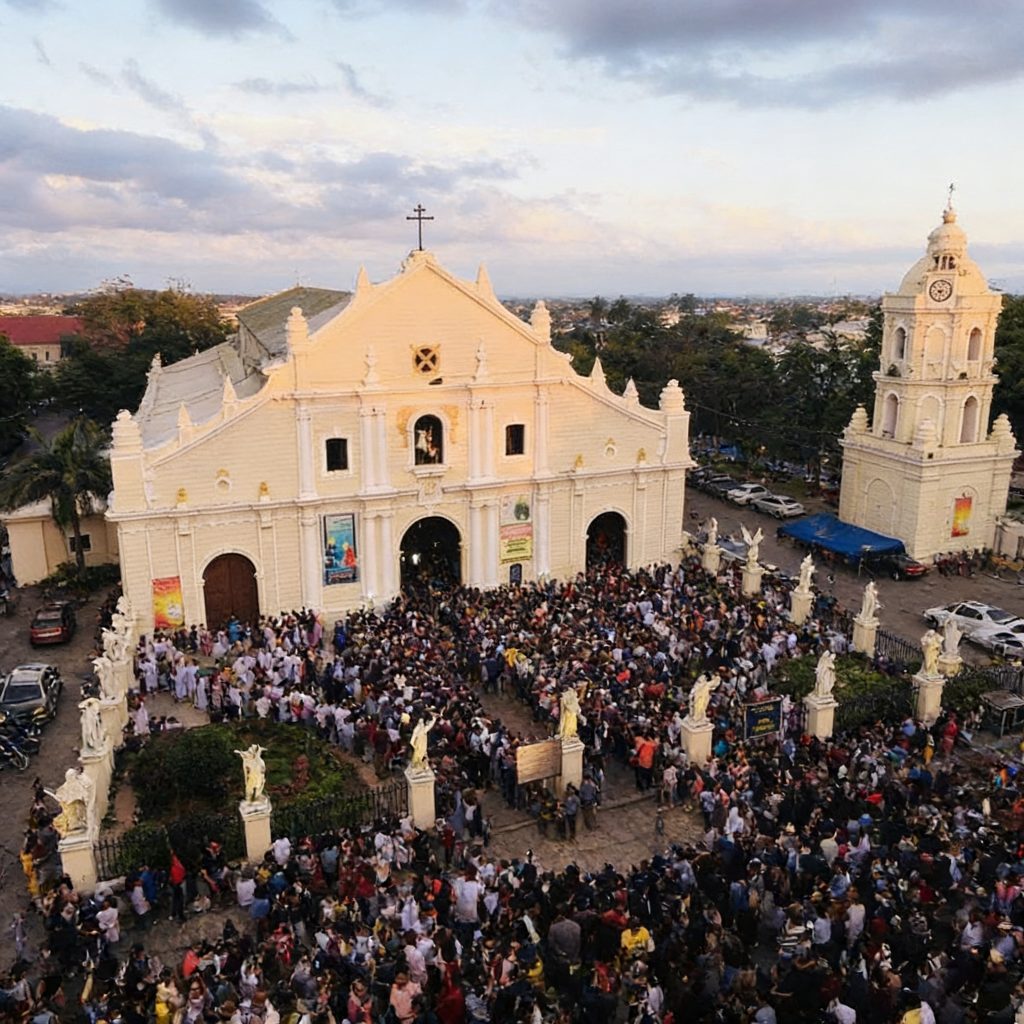
The St. Paul Metropolitan Cathedral, the spiritual heart of Vigan, was founded in the same year and has stood through earthquakes, wars, and centuries of change. This architectural marvel serves as a testament to both structural ingenuity and unwavering faith. The people of Vigan, nearly 55,000 strong and predominantly Roman Catholic, have maintained these the Vigan Holy Week Pilgrimage traditions in Vigan with remarkable fidelity across generations.
During the Vigan Holy Week Pilgrimage, the city’s population swells as local and foreign pilgrims arrive to participate in observances that blend Spanish liturgical practices with Filipino devotional fervor. This unique fusion creates an expression of Catholic faith that is both deeply rooted in tradition and vibrantly alive. The result is a pilgrimage experience that speaks to the soul in ways that purely secular tourism cannot match.
Tradition 1: The Pabasa—Continuous Reading of the Passion Narrative
The Pabasa stands as one of the most distinctive and spiritually profound traditions of Vigan Holy Week celebration. Beginning on Holy Monday at 8:00 AM and continuing through Holy Wednesday, the Pabasa unfolds in the Vigan Cathedral as a communal prayer experience. This is not a performance or theatrical reenactment, but a continuous reading of the complete Passion narrative in a rhythmic, almost musical cadence that has remained virtually unchanged for centuries.
The Pabasa tradition dates to Spanish colonial times, when literacy was limited and oral transmission of Scripture was essential to catechesis. Readers rotate throughout the day and night, ensuring that the narrative flows without interruption. Pilgrims kneel, sit, or stand as the familiar words move from Christ’s Last Supper through His crucifixion and death. The experience creates a meditative atmosphere where listeners can contemplate Christ’s suffering and their own participation in redemption.
The Spiritual Significance of Pabasa
The Pabasa is not merely historical practice but a form of lectio divina—sacred reading—in its most communal form. As the reader’s voice fills the cathedral, pilgrims are invited to move beyond intellectual understanding into emotional and spiritual engagement with Christ’s Passion. Many pilgrims report that hearing the Passion narrative read aloud in this sacred space creates a visceral connection to Christ’s suffering that they have never experienced before.
The rhythm of the reading, the familiar words, and the presence of the community create a space where individual listeners can contemplate their own spiritual journey. Some pilgrims bring prayer intentions, offering their personal struggles in union with Christ’s suffering. Others simply sit in silence, allowing the words to wash over them like waves of grace. This tradition demonstrates that faith is not a solitary activity but a communal experience rooted in Scripture and tradition.
Practical Tips for Experiencing the Pabasa
If you plan to attend the Pabasa during your Vigan pilgrimage, arrive early to secure a seat near the altar where you can hear clearly. Bring a prayer book or rosary to accompany your meditation. Consider staying for at least one complete reading cycle (approximately 2-3 hours) to fully absorb the spiritual atmosphere. Many pilgrims find that the early morning hours (6:00-9:00 AM) offer the most peaceful and contemplative environment, with fewer crowds and deeper silence.
Tradition 2: Lenten Processions and Candlelit Vigils
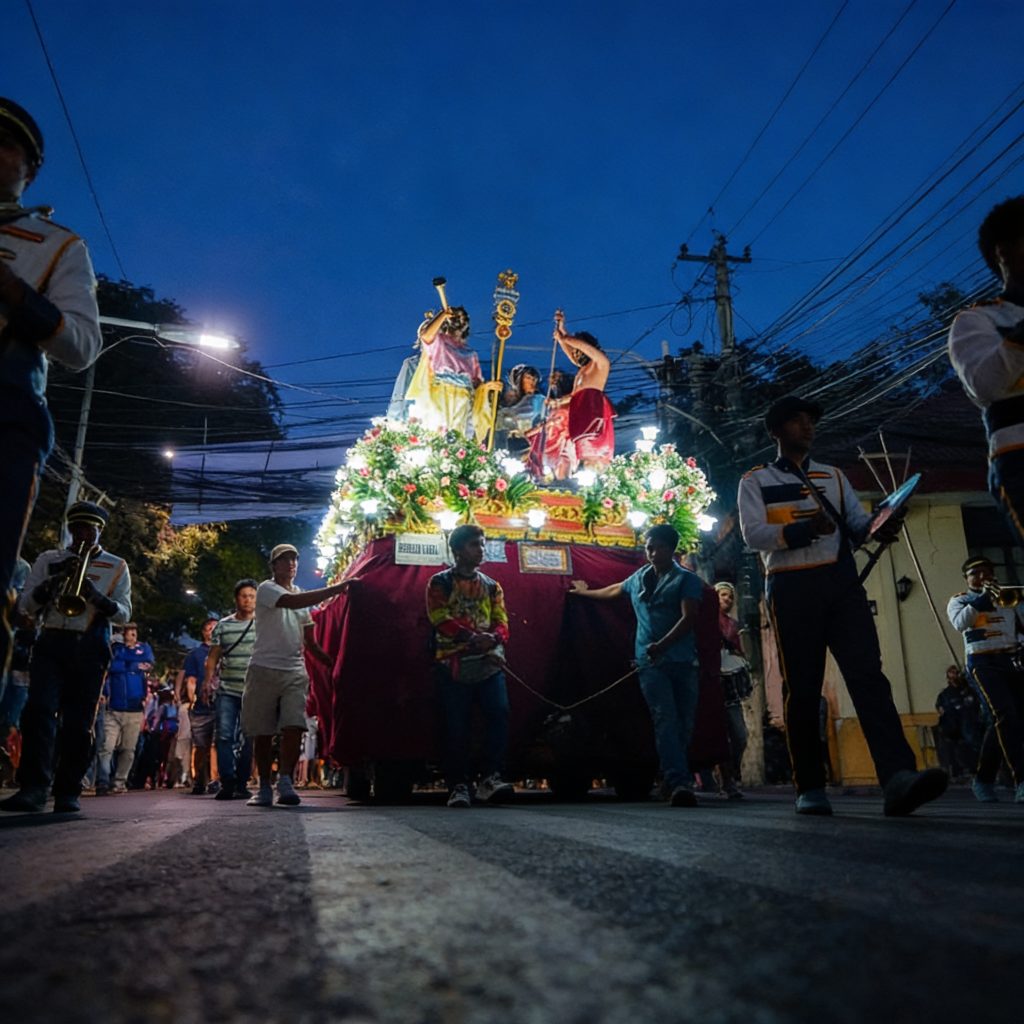
Throughout Vigan pilgrimage, processions move through Vigan’s streets, particularly along the historic Calle Crisologo. These are not tourist spectacles or cultural performances, but solemn acts of devotion that invite pilgrims to move their bodies in prayer. Pilgrims carry candles, religious statues, and symbols of Christ’s Passion, moving slowly and deliberately through the streets as a form of embodied prayer.
The candlelit vigils, held in the cathedral and smaller churches throughout Vigan, create an atmosphere of profound reverence that is difficult to describe but impossible to forget. In the flickering light, the Baroque architecture seems to come alive with centuries of accumulated prayer. The silence is broken only by hymns and the murmured prayers of the faithful. These vigils are opportunities for quiet contemplation, for bringing personal intentions before God, and for experiencing the communion of saints.
The Psychology and Spirituality of Processions
Walking in procession is a form of prayer that engages the entire person—body, mind, and spirit. The physical act of moving through space becomes a metaphor for the spiritual journey. The candle carried by each pilgrim represents Christ, the Light of the World, and the commitment of each believer to carry that light into the world. The shared silence and synchronized movement create a sense of unity with other pilgrims and with the broader communion of saints.
Research on pilgrimage has shown that the physical act of walking, combined with prayer and spiritual intention, creates neurological changes that deepen faith and promote emotional healing. In Vigan’s processions, this ancient practice is preserved in its most authentic form, allowing modern pilgrims to experience the same spiritual benefits that pilgrims have experienced for centuries.
Preparing for the Processions for the Vigan pilgrimage
Wear comfortable walking shoes and modest clothing appropriate for church visits. Many pilgrims choose to walk barefoot as an act of penance, though this is not required. Bring a small candle or purchase one upon arrival. Arrive early to the gathering point to secure a good position. Most importantly, approach the procession with a spirit of prayer rather than tourism, recognizing that you are participating in an ancient tradition of faith.
Tradition 3: The Procesión del Santo Entierro—Good Friday’s Solemn March
Good Friday brings the most significant and emotionally powerful procession of the Vigan Holy Week Pilgrimage: the Procesión del Santo Entierro, the Procession of the Holy Burial. Thousands of devotees fill Vigan’s streets, following a life-sized representation of Christ’s body being carried to the tomb. The atmosphere is one of profound sorrow and reverence, creating an experience that touches the deepest places of the human heart.
The Procesión del Santo Entierro is not a reenactment but a living participation in Christ’s death and burial. Many pilgrims walk barefoot as an act of penance. Others carry heavy wooden crosses on their shoulders. The silence is nearly complete, broken only by the sound of footsteps, occasional prayers, and the tolling of church bells. This profound silence creates a sacred space where pilgrims can encounter their own mortality and their need for Christ’s redemption.
The Transformative Power of Witnessing Christ’s Burial
For many pilgrims, the Procesión del Santo Entierro is the spiritual peak of their Vigan Holy Week pilgrimage. The visual reminder of Christ’s sacrifice, combined with the physical presence of thousands of fellow believers, creates an experience that is simultaneously heartbreaking and hope-filled. Pilgrims often report that witnessing this procession deepens their understanding of Christ’s love and sacrifice in ways that words cannot capture.
The procession also serves a communal function, reminding the entire city of Vigan of the central mystery of Christian faith. In a world that often treats death as taboo or something to be avoided, the Procesión del Santo Entierro boldly proclaims that death has been conquered through Christ’s Resurrection. This message resonates deeply with pilgrims who are struggling with grief, loss, or the fear of death.
Participating with Reverence and Intention
If you choose to participate in the Procesión del Santo Entierro, prepare spiritually beforehand through prayer and fasting. Wear comfortable shoes and modest clothing. Consider what personal intention you will carry with you—perhaps a prayer for a deceased loved one, a request for healing, or a commitment to deeper faith. Walk slowly and mindfully, using the physical act of walking as a form of prayer. Allow yourself to feel the emotions that arise, recognizing that grief and sorrow are appropriate responses to contemplating Christ’s death.
Tradition 4: The Estación General—Stations of the Cross
The Estación General is a structured prayer journey through the Stations of the Cross that combines pilgrimage with contemplative prayer. In Vigan, this typically involves visiting multiple churches, pausing at each to meditate on a particular station. The practice requires the pilgrim to move through physical space while moving through spiritual reality, creating an integrated experience of body and soul.
At each station, the faithful pause to read the Scripture passage, to contemplate Christ’s suffering, and to reflect on how Christ’s Passion relates to their own lives. This is not passive observation but active participation in the mystery of redemption. The Estación General invites pilgrims to ask profound questions: Where am I in this story? How does Christ’s suffering speak to my suffering? How am I called to take up my cross and follow Him?
The Spiritual Journey of the Stations
The fourteen stations of the cross represent the journey from Christ’s condemnation to His burial. Each station invites contemplation of a specific moment in Christ’s Passion. The first station—Christ is condemned to death—invites pilgrims to consider how they have condemned themselves through sin and how Christ takes their condemnation upon Himself. The final station—Christ is laid in the tomb—invites pilgrims to surrender their entire selves to Christ’s redemptive work.
By visiting multiple churches in Vigan during the Estación General, pilgrims gain a deeper appreciation for the city’s ecclesiastical heritage while simultaneously deepening their spiritual journey. The physical movement between churches becomes a metaphor for the spiritual movement from sin to grace, from death to life, from despair to hope.
How to Pray the Stations Effectively
Begin by obtaining a map or guide showing the locations of the fourteen stations in Vigan’s churches. Allow at least 2-3 hours for the complete journey. At each station, pause for 5-10 minutes of quiet reflection. Read the Scripture passage associated with the station. Consider how that particular moment in Christ’s Passion speaks to your own life. Offer a personal prayer or intention. Move to the next station with mindfulness and reverence. Many pilgrims find that praying the stations in community, with other pilgrims, deepens the experience.
Tradition 5: Marian Devotions at the Vigan Cathedral
Throughout the the Vigan Holy Week Pilgrimage, but especially during the Triduum (Holy Thursday through Easter Sunday), special devotions to Mary are observed in the Vigan Cathedral. Mary, the Mother of Sorrows, is venerated as the one who stood at the foot of the Cross, who experienced the deepest anguish at her Son’s death, and who is now our intercessor in heaven. These Marian devotions represent a distinctive aspect of Filipino Catholic spirituality.
Marian devotions in Vigan include the recitation of the Rosary, particularly the Sorrowful Mysteries, which meditate on Mary’s suffering. Pilgrims light candles before the Marian altar, leaving their intentions with the Mother of God. Hymns to Mary are sung, and special masses honoring Mary are celebrated. This tradition connects pilgrims to the communion of saints and to Mary’s unique role in the economy of salvation.
Mary as Model of Faith and Suffering
Mary’s presence at the foot of the Cross demonstrates a faith that persists even in the face of unbearable suffering. She did not understand why her Son had to die, yet she remained faithful. Her example invites modern pilgrims to trust in God’s providence even when circumstances seem incomprehensible. By honoring Mary during the Vigan Holy Week Pilgrimage, pilgrims acknowledge that faith is not about having all the answers but about remaining faithful to God even in darkness.
The Rosary, particularly the Sorrowful Mysteries, provides a structured way to meditate on Mary’s suffering and Christ’s Passion simultaneously. Each mystery invites contemplation of a specific moment: the Agony in the Garden, the Scourging at the Pillar, the Crowning with Thorns, the Carrying of the Cross, and the Crucifixion. By praying these mysteries, pilgrims unite their own sufferings with Mary’s and Christ’s, finding meaning and redemptive value in their pain.
Participating in Marian Devotions
Arrive at the Vigan Cathedral for the scheduled Marian devotions, typically held in the late afternoon. Bring a rosary or obtain one at the cathedral. Join other pilgrims in reciting the Rosary, focusing on the Sorrowful Mysteries. Light a candle before the Marian altar, offering your personal intentions to Mary. Sing along with the hymns, even if you don’t know the words—the melody and community participation create a powerful spiritual experience. Allow yourself to feel the emotional depth of Mary’s suffering and her unwavering faith.
Tradition 6: Visita Iglesia—The Seven-Church Pilgrimage
Visita Iglesia, the practice of visiting seven churches during the Vigan Holy Week Pilgrimage, is a centuries-old Catholic tradition with roots in medieval pilgrimage spirituality. In Vigan, pilgrims visit the St. Paul Metropolitan Cathedral and six other historic churches, spending time in prayer at each location. This tradition serves multiple spiritual purposes while creating a structured pilgrimage journey.
The practice of visiting seven churches originated in medieval times as a way for pilgrims to visit the seven major basilicas in Rome. Over time, the tradition was adapted in various Catholic communities, including the Philippines. In Vigan, the seven churches represent the accumulated spiritual heritage of the city and provide pilgrims with a comprehensive ecclesiastical tour combined with deep prayer.
The Spiritual Significance of the Number Seven
The number seven carries profound biblical significance, representing completeness and perfection. By visiting seven churches, pilgrims participate in a prayer that is both complete and perfect, offered to God through the intercession of the Church. Each church represents a different aspect of Catholic faith and practice. The St. Paul Metropolitan Cathedral represents the institutional Church and the celebration of the Eucharist. The Bantay Church represents the watchfulness required of all believers. Other churches in the route represent different aspects of Catholic spirituality.
The Seven Churches of Vigan
The traditional Visita Iglesia route in Vigan includes the St. Paul Metropolitan Cathedral (starting point), the Bantay Church, the Caniogan Church, the Vigan Metropolitan Cathedral Museum chapel, and three additional parishes or chapels within the historic district. The entire route can be completed in 3-4 hours of walking and prayer. Each church offers a unique spiritual atmosphere and historical significance.
How to Complete the Visita Iglesia
Begin at the St. Paul Metropolitan Cathedral early in the morning. Spend 20-30 minutes in prayer at each church, including time for meditation, the Rosary, or personal reflection. Move to the next church, allowing the walk between churches to be a time of transition and spiritual preparation. At each location, light a candle and offer a specific prayer intention. Consider keeping a small notebook to record your reflections at each church. Complete the journey by returning to the cathedral for evening mass or Eucharistic Adoration.
Tradition 7: Eucharistic Adoration—Silent Encounter with Christ
Throughout the Vigan Holy Week Pilgrimage, extended periods of Eucharistic Adoration are offered in the Vigan Cathedral and other churches. Pilgrims are invited to kneel before the Blessed Sacrament in silence, to pray, to meditate, or simply to be present to Christ in the Eucharist. This tradition represents the culmination of the Vigan Holy Week Pilgrimage devotion and the deepest form of prayer available to Catholics.
Eucharistic Adoration is the practice of spending time in the presence of the Blessed Sacrament—the consecrated bread and wine that Catholics believe is the true body and blood of Christ. During the Vigan Holy Week Pilgrimage, the Vigan Cathedral offers extended adoration periods, sometimes lasting 24 hours or more, allowing pilgrims to visit at times that suit their schedule. The atmosphere in the adoration chapel is one of profound peace and reverence.
The Transformative Power of Silent Prayer
After days of processions, readings, and communal prayer, the invitation to stillness and silence in the presence of the Blessed Sacrament represents a profound shift in spiritual practice. In the adoration chapel, all the noise and activity of the week fall away. What remains is the simple, profound reality of Christ’s presence. This is where transformation occurs—not in the external activities but in the quiet encounter between the human soul and the Divine Presence.
Research on contemplative prayer has demonstrated that extended periods of silent prayer in the presence of the Blessed Sacrament produce measurable changes in brain activity associated with peace, healing, and spiritual insight. Pilgrims often report that time spent in Eucharistic Adoration during the Vigan Holy Week Pilgrimage provides clarity about life decisions, healing from emotional wounds, and a renewed sense of God’s love and presence.
Preparing for Eucharistic Adoration
Arrive at the adoration chapel with an open and receptive heart. Kneel or sit comfortably before the Blessed Sacrament. You may bring a rosary, prayer book, or Bible, but many pilgrims find that silent meditation is most powerful. Allow your mind to quiet naturally; do not force stillness. If distracting thoughts arise, gently return your attention to Christ’s presence. Spend at least 30 minutes in adoration, though longer periods are encouraged. As you leave, carry the peace you have experienced into your daily life.
Transforming Your Life Through Vigan Holy Week Pilgrimage
The seven sacred traditions of Vigan’s Holy Week pilgrimage represent far more than cultural practices or tourist attractions. They are invitations—invitations to enter more deeply into the mystery of Christ’s Passion and Resurrection, to join the communion of saints across centuries, and to allow yourself to be transformed by encounter with the Divine.
As you have learned throughout this article, each tradition serves a specific spiritual purpose. The Pabasa invites you to listen more carefully to Scripture. The processions invite you to move your body in prayer. The Stations of the Cross invite you to contemplate your own cross. The Marian devotions invite you to seek the intercession of the Mother of God. The Visita Iglesia invites you to make a complete pilgrimage. And the Eucharistic Adoration invites you to encounter Christ in the most intimate way possible.
The Path Forward: Integrating the Vigan Holy Week Pilgrimage Practices Into Your Spiritual Life
Your pilgrimage to Vigan during Holy Week is not an end in itself but a beginning—the beginning of a deeper conversion, a more intimate relationship with Christ, and a fuller participation in the life of the Church. As you return from your pilgrimage, consider how these seven traditions can continue to shape your spiritual practice throughout the year.
Go to Confession: The traditions of Vigan’s Holy Week culminate in the Sacrament of Reconciliation. Approach the Sacrament of Confession with genuine contrition, seeking reconciliation with God and neighbor. Allow the grace of this sacrament to wash away sin and restore you to full communion with the Church. Make confession a regular practice, not just during the Vigan Holy Week Pilgrimage, but throughout the liturgical year.
Visit the Adoration: Continue the practice of Eucharistic Adoration in your home parish or local church. Spend time regularly in the presence of the Blessed Sacrament, allowing Christ to transform your heart. Even 15-30 minutes of weekly adoration can profoundly deepen your faith and provide clarity and peace in your daily life.
Pray the Rosary: The Rosary, particularly the Sorrowful Mysteries, connects you to Mary’s faith and Christ’s Passion. Make the Rosary a daily practice, meditating on the mysteries as you pray. This ancient devotion has been recommended by popes and saints throughout Church history as a powerful means of spiritual growth and protection.
Hear Mass: The Holy Mass is the source and summit of Christian life. Attend Mass not just on Sundays but as frequently as possible. Participate actively in the liturgy, recognizing that you are joining your prayers and sufferings with Christ’s sacrifice on the altar. Receive the Eucharist with reverence and devotion, recognizing Christ’s true presence.
Read the Bible: Immerse yourself in Sacred Scripture, allowing God’s Word to speak to the depths of your soul. Read the Passion accounts in the Gospels regularly, not just during Holy Week. Reflect on how Christ’s suffering and resurrection speak to your own life. Consider joining a Bible study group in your parish to deepen your understanding of Scripture.
Vigan’s Holy Week Pilgrimage as Spiritual Foundation
The seven sacred traditions of Vigan’s Holy Week pilgrimage provide a spiritual foundation that can sustain you throughout your life. Whether you are struggling with doubt, seeking healing, or simply desiring a deeper relationship with Christ, these traditions offer a path forward. They remind us that faith is not a solitary activity but a communal experience rooted in centuries of tradition and Scripture.
For ongoing formation in the faith and to remain informed about Catholic life, teachings, and global Church developments, visit www.ewtnvatican.com for trusted Catholic news and resources. Your pilgrimage to Vigan is an investment in your spiritual future and the future of the Church. May the grace you receive during the Vigan Holy Week Pilgrimage transform not only your own life but also enable you to become a witness to Christ’s love for all those you encounter.