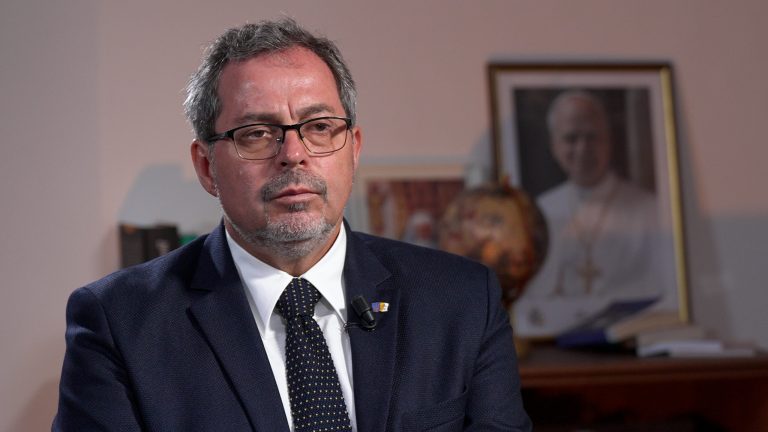
A Shepherd from the Soil: The Historic Appointment of Bishop Sean Mejia
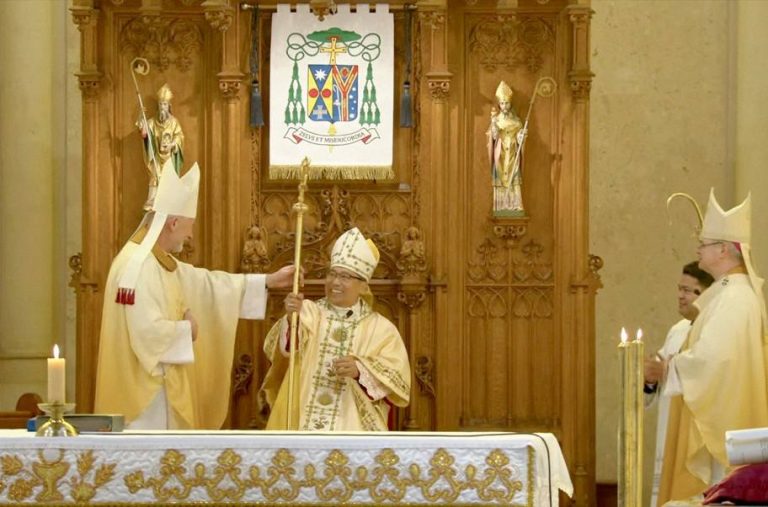
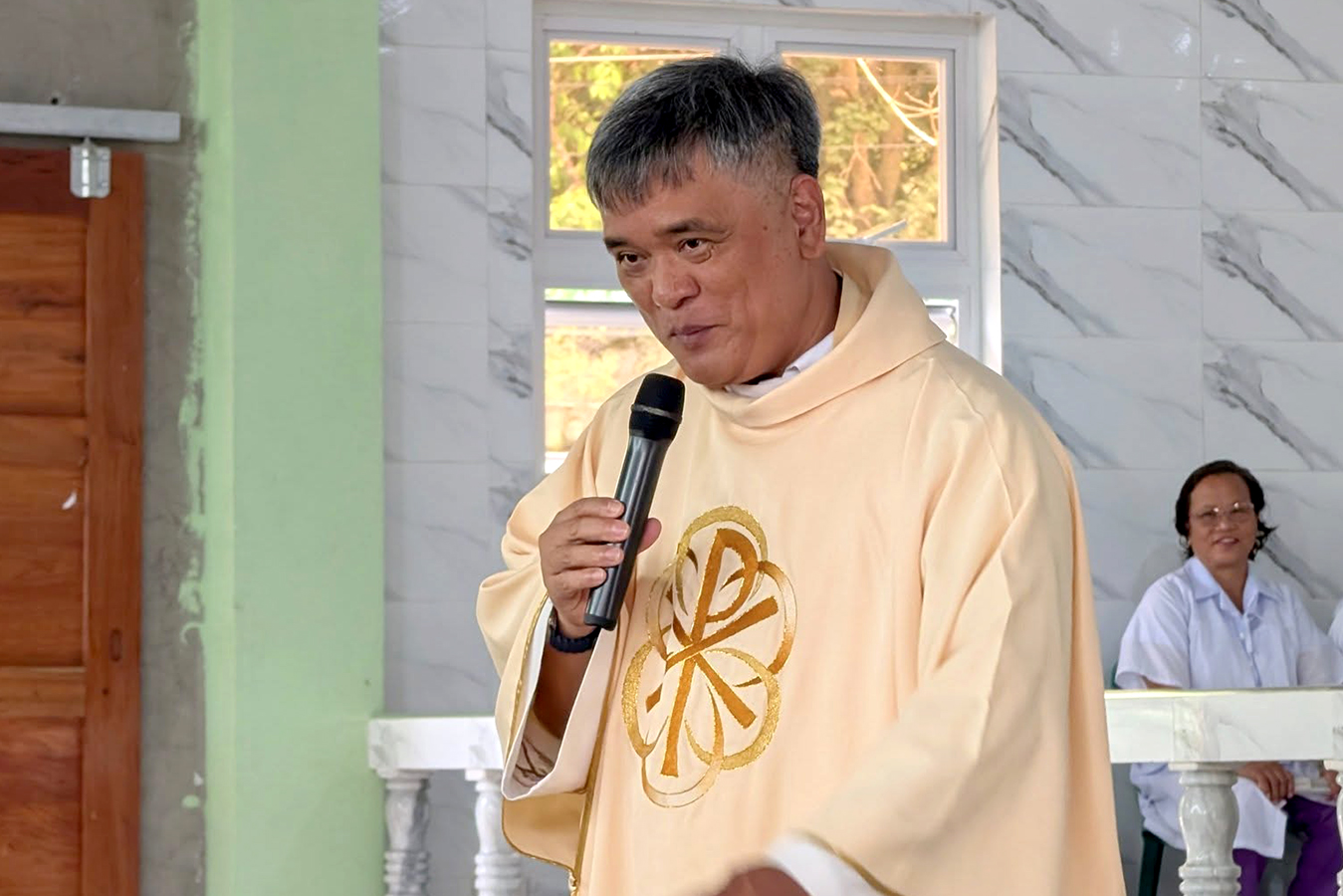
“My heart is full of gratitude to the Holy Father for this trust,” Bishop-elect Sean Mejia remarked shortly after his appointment. On March 3, 2026, Pope Leo XIV named Fr. Sean Buslig Mejia as the new Apostolic Vicar of Tabuk, a decision that has sent ripples of joy through the provinces of Kalinga and Apayao. This appointment is not merely an administrative update; it is a profound “gift of faith” to a region that has long served as a missionary frontier in the northern Philippines.
For the faithful in the Cordillera Administrative Region, the news is particularly sweet because Bishop-elect Mejia is one of their own. Born in Bulanao, Tabuk City, he understands the rugged terrain, the diverse languages, and the deep-seated traditions of the people he is called to serve. His journey from a local boy to a canon lawyer, and now to the third Apostolic Vicar of Tabuk, embodies the growth and maturity of the local Church.
Did You Know? The Unique Mission of an Apostolic Vicariate
Have you ever wondered why some areas are called “dioceses” while others are “apostolic vicariates”? In the Catholic Church, an Apostolic Vicariate is a form of territorial jurisdiction established in missionary regions where a full diocese has not yet been formed. The Apostolic Vicariate of Tabuk, established in 1992, is exactly such a place—a vibrant, growing community of faith nestled in the mountains, still carrying the spirit of its missionary roots.
The mission in Tabuk is a testament to over a century of perseverance. While the first seeds were sown by Dominican missionaries as early as 1689 in Tuga, it was the arrival of the CICM (Congregation of the Immaculate Heart of Mary) missionaries in 1907 that truly laid the foundation for the modern Church in the Cordilleras. These “Scheut Missionaries” didn’t just build churches; they built schools and clinics, integrating the Gospel into the very fabric of community life.
The Intersection of Faith and Culture in Kalinga and Apayao
In the Cordilleras, faith is never lived in a vacuum. It is woven into the rich tapestry of indigenous culture. From the rhythmic beating of the gongs to the intricate patterns of the traditional weaves, the Catholic faith in Tabuk has found a unique “cultural garment.”
Bishop-elect Mejia’s appointment is seen as a culmination of this inculturation. As a native son, he is uniquely positioned to lead a Church that is both authentically Catholic and authentically Cordilleran.
The Legacy of the CICM Missionaries: A Century of Service
To understand the significance of Bishop-elect Mejia’s appointment, one must look back at the heroic efforts of the CICM missionaries. Arriving in 1907, these Belgian priests faced immense challenges—harsh terrain, unfamiliar languages, and a culture deeply rooted in ancestral traditions. Yet, they persevered, driven by a mission to bring the light of Christ to the “mission in the mountains.”
The CICM legacy is visible today in the numerous schools and social institutions across Kalinga and Apayao. They understood that evangelization goes hand-in-hand with human development. By establishing schools like Saint Louis University in Baguio and various parochial schools in Tabuk, they empowered the local population, preparing the ground for a local clergy to eventually take the lead. Bishop-elect Mejia is a fruit of this long-term missionary vision.
5 Things to Know About the Upcoming Ordination
The Apostolic Vicariate has invited everyone to witness a “grace-filled and historic moment” on June 2, 2026. Here is what to expect:
- The Date: June 2, 2026, at St. William’s Cathedral, Tabuk City.
- The Consecrator: Archbishop Charles Brown, the Apostolic Nuncio to the Philippines, will lead the ceremony.
- The Significance: Mejia becomes the third Apostolic Vicar, succeeding Bishop Prudencio Andaya Jr.
- The Community: Thousands of pilgrims from across Kalinga, Apayao, and neighboring provinces are expected to attend.
- The Mission: The ordination marks a new chapter in the vicariate’s journey toward becoming a full diocese.
The Future of the Cordillera Church: Challenges and Opportunities
As the Apostolic Vicariate of Tabuk moves forward, it faces both challenges and opportunities. The rapid modernization of the region brings new social issues, from environmental concerns to the impact of migration on families. However, the Church’s deep roots in the community provide a strong foundation for addressing these challenges.
The appointment of a local bishop is a sign of hope. It shows that the Church is not an outsider but an integral part of the Cordilleran identity. By continuing to promote education, social justice, and cultural preservation, the Church in Tabuk will remain a beacon of light for generations to come.
Conclusion: A New Chapter of Hope
The ordination of Bishop Sean Mejia is more than a leadership change; it is a sign of God’s enduring presence in the mountains of the northern Philippines. It reminds us that the Church is not a distant institution but a living family, where the “son of the soil” can rise to lead his brothers and sisters in faith. As the gongs prepare to sound in Tabuk this June, let us join our hearts in gratitude for this beautiful gift of faith.
The future of the Apostolic Vicariate of Tabuk is bright. With a new shepherd who knows the sheep and is known by them, the Church in Kalinga and Apayao is poised to reach new heights. Let us continue to support this mission with our prayers, our resources, and our active participation in the life of the Church.
Spiritual Resolution: Strengthening Our Walk with Christ
In this season of renewal for the Church in Tabuk, let us also seek a personal renewal in our own lives. Our faith is not a static set of rules but a dynamic relationship with the Living God. Let us return to the Sacrament of Confession with humble hearts, allowing the mercy of Christ to wash away our burdens and restore our peace. Let us find solace in Eucharistic Adoration, sitting in the quiet presence of the Lord who sustains us.
May we commit to praying the Rosary daily, seeking the intercession of our Blessed Mother for our families and our new shepherds. Let us make it our priority to attend Holy Mass as regularly as possible, for it is in the Eucharist that we find the source and summit of our Christian life. Finally, let us strive to live the Word of God through the daily reading of the Scriptures, letting the light of the Gospel guide our every step. Together, let us walk this path of holiness, supporting one another in our shared journey toward the Kingdom.