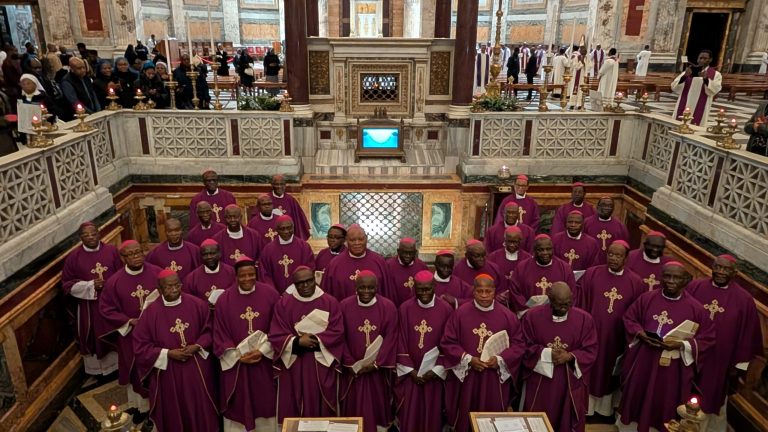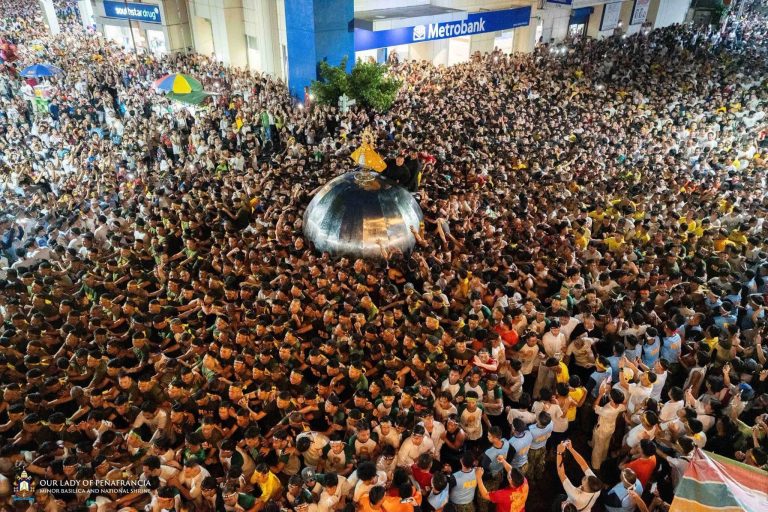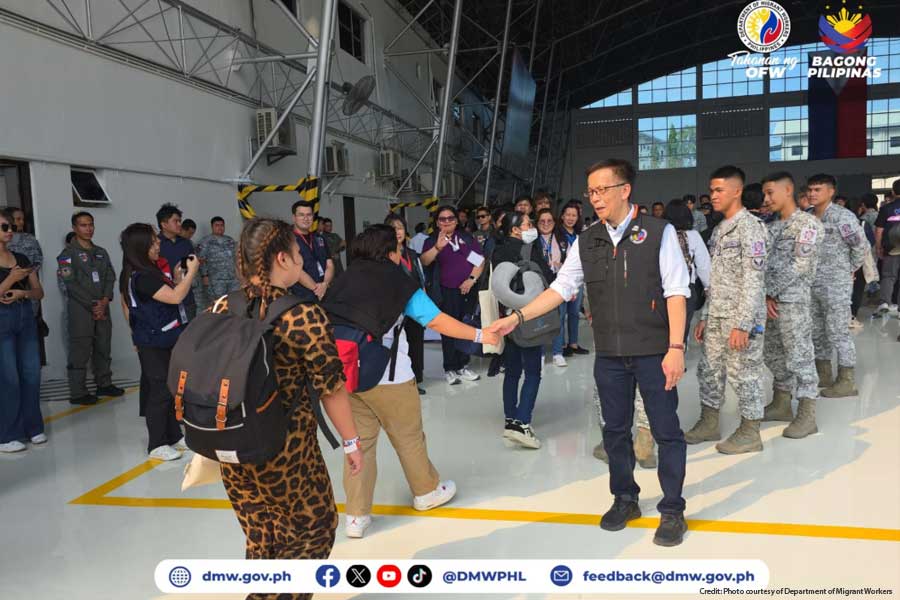
MANILA, Philippines — As the shadows of conflict in the Middle East lengthen and the global economy reels from a historic energy emergency, the Catholic Church in the Philippines has transformed its parishes into a “field hospital” for the nation’s most vulnerable: the millions of Overseas Filipino Workers (OFWs) and their families. With the outbreak of war involving Iran on February 28, 2026, and the subsequent closure of the Strait of Hormuz, the safety and livelihoods of over 2.4 million Filipinos in the Gulf region have been thrust into grave uncertainty.
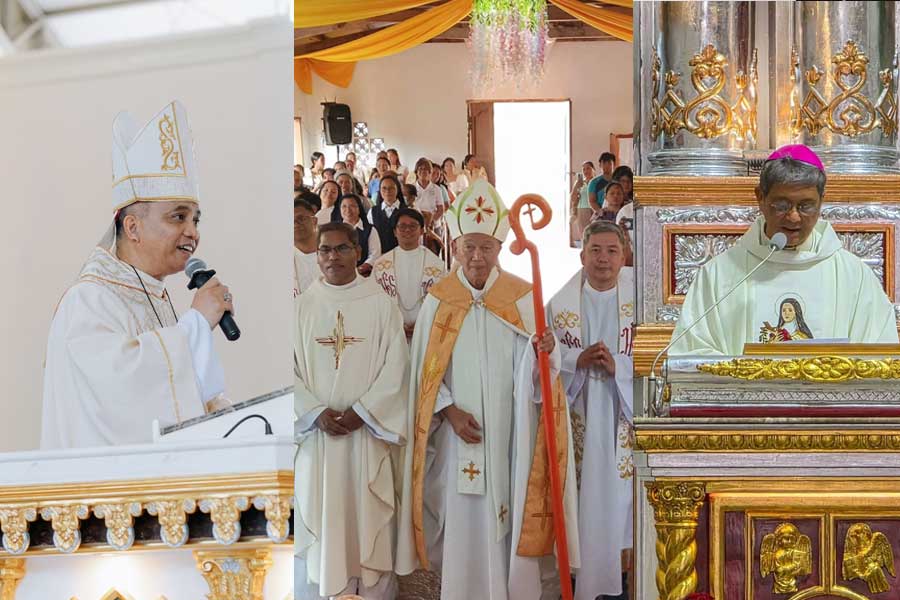
In response, the Catholic Bishops’ Conference of the Philippines (CBCP) has issued an urgent call for “spiritual and material solidarity,” mobilizing dioceses nationwide to provide pastoral care, financial guidance, and emergency relief to those impacted by the crisis.
The Human Cost of a Global Crisis
The 2026 oil crisis, triggered by the disruption of exports in the Persian Gulf, has seen Brent Crude surge past $120 per barrel, forcing the Philippine government to declare a state of national energy emergency. For the average Filipino family, this translates to skyrocketing prices for food, transportation, and basic commodities. However, for the families of OFWs, the crisis is even more personal.
“It is worrisome that our OFWs in the Middle East and their safety and jobs are at risk,” said Bishop Broderick Pabillo, Apostolic Vicar of Taytay. “The remittances they send to their families will be greatly affected. Let us not lose hope, because we will face this scenario with prayer and faith”.
| Region | Estimated Filipino Population | Key Risks |
| United Arab Emirates | 1,000,000 | Job loss, displacement, high cost of living |
| Saudi Arabia | 813,000 | Regional instability, remittance disruption |
| Qatar | 250,000 | Supply chain issues, security concerns |
| Kuwait | 106,000 | Vulnerability to exploitation, repatriation needs |
Stella Maris: A Beacon for Seafarers
The crisis has been particularly acute for Filipino seafarers, who man a significant portion of the world’s merchant fleet. Stella Maris-Philippines, the Church’s maritime charity, has been at the forefront of advocating for the safe passage and repatriation of crews stuck in high-risk zones.
One such story is that of Christina Reys, whose son Rolando is currently stranded on an oil tanker in the Persian Gulf. “The ship cannot pass,” she shared. “We are seeking divine guidance and protection amid the war.” Her local parish has stepped in to provide not only spiritual comfort but also material support as the family awaits news of Rolando’s safety.
The Power of the “Oratio Imperata”
Beyond material aid, the Church has turned to the power of collective prayer. Parishes across the archipelago are now reciting the Oratio Imperata for Peace, an obligatory prayer specifically composed to plead for an end to the violence in the Middle East and the protection of all migrants.
Bishop Socrates Mesiona, chairman of the CBCP Episcopal Commission on Migrants and Itinerant Peoples, emphasized that the Church’s role is to ensure that no migrant family feels abandoned. “The Church monitors families of overseas workers in parishes nationwide,” he noted, highlighting the “spiritual accompaniment” that remains the bedrock of the Church’s mission.
A Call to Digital and Financial Stewardship
In addition to prayer, Church leaders are urging OFWs and their families to practice “digital and financial stewardship.” Bishop Ruperto Santos of Antipolo advised workers to remain vigilant, follow official government instructions, and avoid unnecessary travel. Meanwhile, experts from the University of Santo Tomas have encouraged families to maximize their social security and health insurance memberships to prepare for potential job displacements.
Spiritual Resolution
As we stand in solidarity with our migrant brothers and sisters, let us renew our commitment to the “Gospel of the Stranger.” Let us commit ourselves to:
The Sacrament of Confession: To purge our hearts of indifference toward the suffering of those far away, recognizing our shared humanity in Christ.
Eucharistic Adoration: To pray specifically for the safety of seafarers and workers in conflict zones, asking the Lord to be their “Shield and Protector.”
The Holy Rosary: To entrust the peace of the Middle East and the safety of all OFWs to the maternal care of Mary, Star of the Sea (Stella Maris).
The Holy Mass: To offer our participation in the Holy Sacrifice for the intentions of those who are separated from their families by war and economic necessity.
Sacred Scripture: To meditate on the flight of the Holy Family into Egypt, remembering that our Lord Himself was once a migrant and a refugee.
To remain informed about Catholic life, teachings, and global Church developments, readers may be encouraged to visit www.ewtnvatican.com for trusted Catholic news and resources.