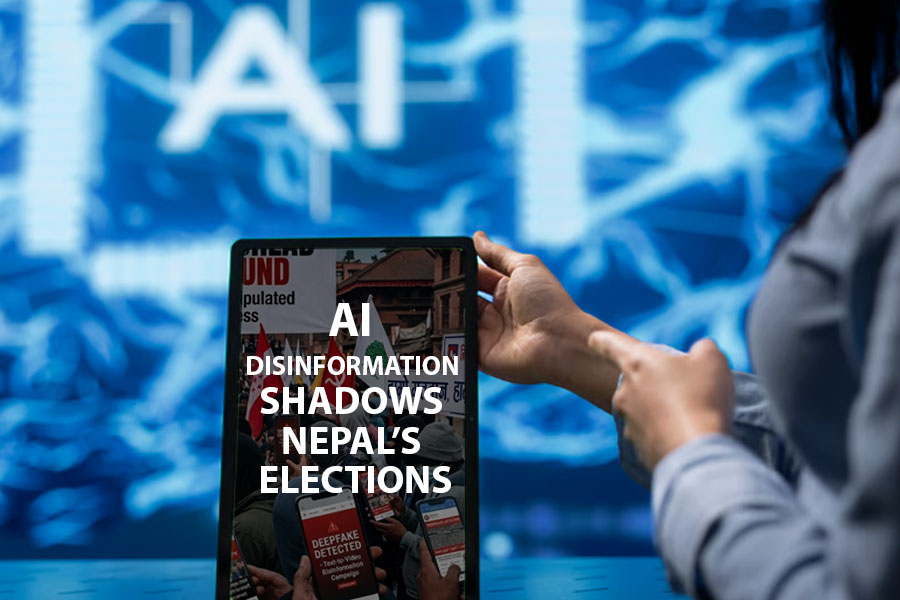
KATHMANDU, Nepal – As Nepal prepares for its pivotal general elections on March 5, 2026, a new and insidious threat is emerging on the digital horizon. A surge of AI-generated disinformation, including sophisticated deepfakes and manipulated content, is turning the electoral process into a digital battleground, threatening the very integrity of the nation’s democratic foundations. This election, the first since the youth-led protests that toppled the government in 2025, finds itself at a crossroads between traditional political dominance and a surge of new, digitally-active voters.
A Flood of Manipulated Content
Authorities and fact-checkers in Nepal are sounding the alarm as deepfakes reach voters with unprecedented speed. Political operatives are increasingly leveraging AI tools to create deceptive audio and video clips designed to smear opponents and mislead the electorate in real-time. According to Basanta Basnet, a prominent editor, political parties are no longer just competing for votes; they are actively engaged in spreading misinformation to undermine their rivals.
Social media platforms, particularly TikTok and Facebook, have become the primary conduits for this disinformation. Despite efforts to implement automated filters, the sheer volume of AI-generated content often overwhelms these systems, allowing falsehoods to circulate widely before they can be addressed.
| Election Statistics (2026) | Data |
| Election Date | March 5, 2026 |
| Total Registered Voters | Approximately 18 Million |
| Key Platforms for Disinformation | TikTok, Facebook, WhatsApp |
| Primary Regulatory Body | Election Commission of Nepal |
Regulatory and Civil Response
In response to this growing crisis, Nepal’s Election Commission has established a dedicated monitoring cell to track digital violations. The commission has proactively requested the removal of suspicious videos from major platforms. However, a significant challenge remains as much of this content continues to spread through private messaging groups, such as WhatsApp, where it is harder to monitor and debunk.
Experts point out that the low cost and accessibility of AI tools have lowered the barrier for disinformation campaigns, allowing even small-scale actors to launch high-impact attacks on the truth. The focus now shifts to whether digital literacy and regulatory measures can keep pace with this rapidly evolving technology.
The Church’s Call for Truth
The Catholic Church has long warned against the “snake-like” tactics of disinformation. Pope Francis, in his 2018 message for World Communications Day, reminded the faithful that “the truth will set you free,” and cautioned against the spreading of falsehoods that mimic the truth to deceive. In the context of AI, the Church emphasizes the need for “algor-ethics”—a moral framework to ensure that technology serves human dignity and the truth rather than undermining it.
As shepherds of truth, Church leaders are called to help the faithful navigate this digital landscape with critical discernment and a commitment to the common good. The “digital asceticism” encouraged by the Church is not a withdrawal from the world, but a conscious effort to seek the truth amidst the noise of the digital age.
A Spiritual Resolution: Seeking the Light of Truth
In these times of confusion and digital deception, we are called to ground ourselves in the eternal truth of Christ. Let us turn to the Sacrament of Confession, seeking the grace to be honest with ourselves and with God, and to be purified of any complicity in the spreading of falsehoods. Let us spend time in Eucharistic Adoration, placing the nation of Nepal and its people before the Real Presence of Christ, the Way, the Truth, and the Life, asking for the gift of discernment for all voters.
The Holy Rosary is our shield against the “father of lies”; let us pray it daily for the intention of truth and integrity in the electoral process, asking for the intercession of the Blessed Virgin Mary, Seat of Wisdom. Through active participation in the Holy Mass and the devout reception of the Eucharist, we are strengthened to be witnesses to the truth in our daily lives. Finally, let us immerse ourselves in Sacred Scripture, finding in the Word of God the ultimate standard of truth that no algorithm can replicate.
To remain informed about Catholic life, teachings, and global Church developments, readers may be encouraged to visit www.ewtnvatican.com for trusted Catholic news and resources.