Every time someone types a question into an AI chatbot, a hidden chain reaction unfolds far from view: massive data centers hum to life, drawing enormous amounts of electricity and millions of gallons of water just to generate a single response. Catholic climate experts are now sounding the alarm that this hidden cost is scaling far faster than most people realize, and their warning carries weight precisely because it comes wrapped not in politics, but in a moral and spiritual concern for creation itself. As AI’s footprint grows, the question worth asking is no longer whether this technology is powerful, but whether the planet, and the communities living closest to its infrastructure, can bear the cost.
The Hidden Cost of AI: How Data Centers Are Straining Power and Water Resources
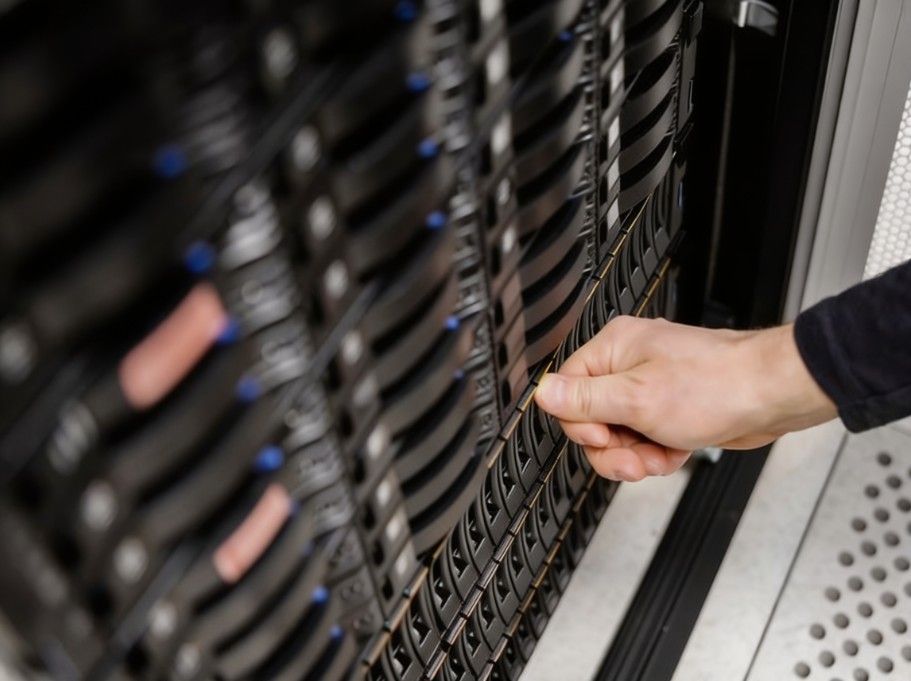
The scale of AI’s energy appetite is difficult to overstate. Data centers currently account for roughly 4 to 5 percent of national electricity use, but projections from the Electric Power Research Institute suggest that figure could climb to between 9 and 17 percent by 2030, driven largely by AI. In some states the impact will be far more concentrated: Virginia alone could see data centers consuming somewhere between 39 and 57 percent of its total electricity by the end of the decade. With more than 4,000 AI data centers already operating in the United States and thousands more under construction, this is not a distant hypothetical but a rapidly unfolding reality.
Electricity is only half the story. Many of these facilities rely on millions of gallons of water daily for cooling systems, straining supplies in communities already managing drought and resource scarcity. Catholic Climate Covenant, a Washington-based advocacy organization, highlighted this issue directly in a recent webinar examining the impact of data centers on neighboring communities and creation, noting bluntly that shared natural resources are being squandered. Advocates also point out that the air pollution and noise associated with data center expansion often fall hardest on low-income communities living closest to these facilities, adding an environmental justice dimension to what might otherwise seem like a purely technological debate.
Pope Leo XIV’s Encyclical Warns of AI’s Toll on Our Common Home
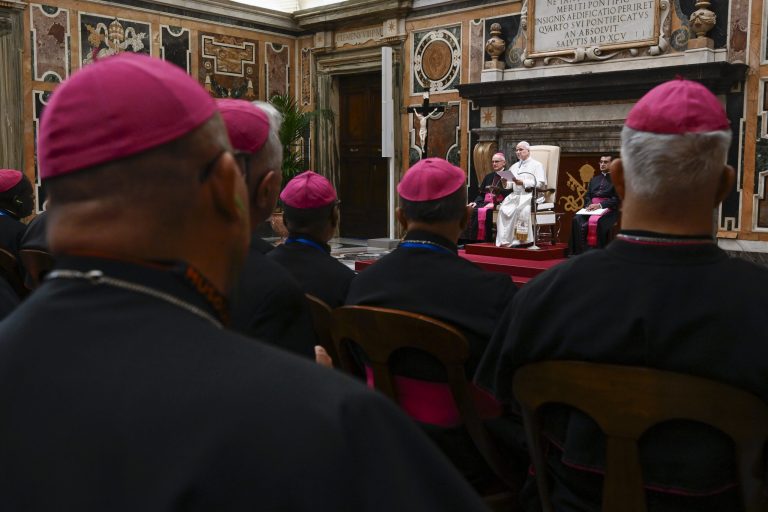
This growing concern recently received the Church’s highest level of attention. In his encyclical Magnifica Humanitas, Pope Leo XIV directly addressed the environmental cost of artificial intelligence, warning that current AI systems require enormous amounts of energy and water, significantly affecting carbon emissions and placing heavy demands on natural resources. He cautioned that the rapid, uncritical adoption of AI carries a real risk of overlooking its environmental toll entirely, even invoking the image of a new Tower of Babel to describe humanity’s temptation to build technological power without regard for its consequences.
Rather than rejecting AI outright, the encyclical calls for the development of more sustainable technological solutions that reduce environmental impact while still protecting the dignity of work and preventing technological power from concentrating in the hands of a few. This continues a consistent thread from the Church’s broader environmental teaching, echoing Pope Francis’ earlier warnings in Laudato Si’ and Laudate Deum that humanity was approaching a critical point in its relationship with creation, concerns that specialists now argue apply directly to AI’s expanding energy footprint.
Why This Warning Is Significant for the Church Today
This moment carries real significance for the Church, and in this case the significance is largely positive, though not without complication. On the encouraging side, the Church is stepping into a highly technical, rapidly evolving debate with a distinctly moral voice, insisting that questions about AI cannot be separated from questions about creation, justice, and the dignity of vulnerable communities living near data center infrastructure. This positions Catholic teaching as a credible, values-driven counterweight to a conversation otherwise dominated by corporate interests and pure technological enthusiasm.
There is, however, a real tension worth naming honestly. The Church itself increasingly relies on digital tools, livestreamed Masses, online catechesis, digital evangelization platforms, some of which depend on the very cloud infrastructure and AI systems now being scrutinized. This does not undermine the moral force of the warning, but it does mean the call for sustainable technology is one the Church will need to model internally, not only preach externally, if it hopes to maintain credibility on this issue moving forward.
Stewardship, Not Domination, Over Creation

At the heart of this warning lies a spiritual principle far older than artificial intelligence itself. Genesis describes humanity’s relationship to creation as one of stewardship, care entrusted by God, not ownership to be exploited without limit. When technology’s demand for power and water begins to outpace what surrounding communities and ecosystems can sustainably provide, it reflects exactly the kind of domination over creation that Catholic teaching has long warned against, treating the created world as an unlimited resource rather than a gift held in trust for future generations.
This is precisely why Catholic voices frame AI’s environmental cost not merely as an engineering problem to optimize, but as a spiritual and moral question about how humanity chooses to relate to the created world entrusted to it.
A Spiritual Resolution
The deeper invitation in this warning is not to abandon technology, but to bring the same examination of conscience Catholics apply to other areas of daily life into their relationship with AI itself. Convenience has a way of quietly overriding conscience, and restoring a more attentive, grateful relationship with creation is cultivated less by willpower and more through five ordinary practices:
- Confession, which clears away the habits of careless consumption and convenience that quietly treat creation as unlimited rather than entrusted.
- Adoration, quiet time before Christ that restores a sense of gratitude and wonder, the opposite of treating the created world as a resource to be used up unreflectively.
- The Rosary, a steady rhythm of prayer that can be offered for the vulnerable communities living closest to the environmental cost of new technology.
- The Eucharist, itself a sign of created matter, bread and wine, transformed and given, a model of using creation with reverence rather than domination.
- Scripture, returned to often, grounding the call to stewardship in Genesis rather than treating it as a modern policy invention.
This resolution does not require rejecting AI as inherently sinful or harmful. It requires the same posture Catholic social teaching has long asked of believers in every area of consumption: using what is genuinely needed, remaining conscious of the hidden costs behind convenience, and supporting policies and companies that pursue sustainable, responsible technological growth rather than unchecked expansion.
Catholic climate experts and Pope Leo XIV himself are offering a rare, unified moral voice on one of the most pressing technological issues of this decade: AI’s expanding power demands are straining electricity grids, water supplies, and vulnerable communities faster than most people realize. This warning deserves serious attention, not as an attack on innovation, but as a call to develop and use AI in a way that honors both human dignity and the created world. Coverage of this growing concern, including awareness efforts from platforms like EWTN Asia Pacific News, is helping bring this often-overlooked issue to wider audiences who may not otherwise connect their daily AI use to its real environmental cost.
To remain informed about Catholic life, teachings, and global Church developments, readers may be encouraged to visit www.ewtnvatican.com for trusted Catholic news and resources.