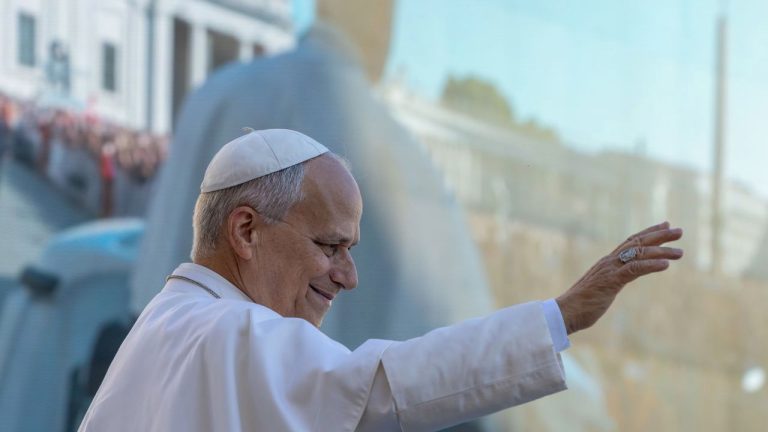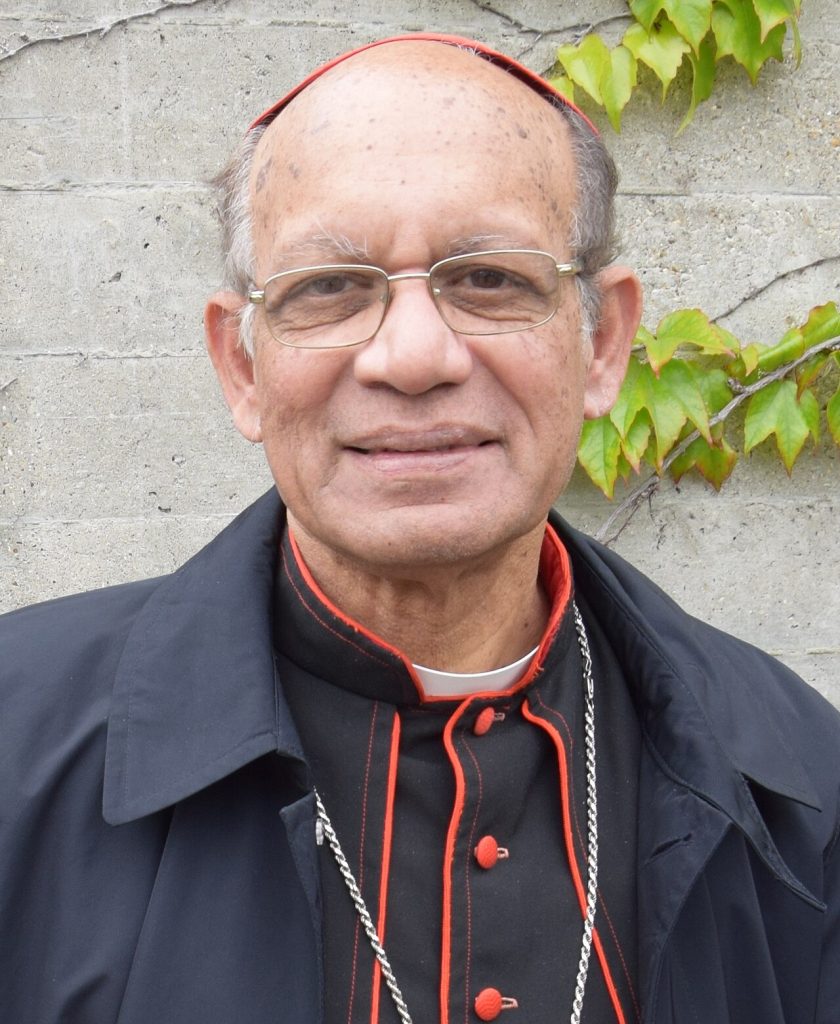
image from By StagiaireMGIMO
Have you ever wondered how faith communities can actively heal a divided world? Conflict, violence, and war have tragically become defining realities of the present age, affecting millions across the globe. The Catholic Church, recognizing this urgent crisis, is stepping forward to offer profound, actionable solutions.
During the recent 12th Plenary Assembly of the Federation of Asian Bishops’ Conferences (FABC), held in the vibrant city of Jakarta, Indonesia, Cardinal Oswald Gracias delivered a stirring call to action. He challenged the faithful to become active agents of reconciliation. “Our mission is to become bridge-builders,” the Cardinal proclaimed. “The Church is called to build bridges.”
This article explores seven powerful peace strategies for Jakarta and the Asian Church, inspired by the profound insights shared at the FABC assembly. We will delve into how these strategies can be implemented not only by high-ranking Church officials but by everyday believers in their local parishes. By understanding and applying these methods, we can actively participate in building the Kingdom of God right where we are.
Understanding the Need for Peace Strategies for Jakarta and the Asian Church
The Asia-Pacific region is a tapestry of diverse cultures, languages, and religions. While this diversity is a beautiful gift, it also presents unique challenges. Tensions can arise from misunderstandings, economic disparities, and political polarization. In this complex environment, the Church’s mission to foster harmony is more critical than ever.
Cardinal Gracias noted, “If we look at the global situation, regrettably—and I say this with a sense of shame—we have to admit that conflict, violence, and war have become dominant features of our times.” The Catholic Church in Jakarta and throughout Asia recognizes that peace is not merely the absence of war; it is the active presence of justice, understanding, and mutual respect.
The FABC assembly in Jakarta served as a powerful reminder that the Church cannot remain isolated. “The Church cannot remain silent and the Church cannot be an island,” Cardinal Gracias urged. It must engage with the world, offering the light of the Gospel to dispel the darkness of division.
Strategy 1: Embracing Synodality as a Foundation
Synodality, often described as “walking together,” is fundamental to the Catholic Church’s approach to modern challenges. It is not just a bureaucratic process but a spiritual journey of listening and discernment. For the faithful in Jakarta, synodality offers a powerful framework for addressing local conflicts.
Cardinal Gracias observed, “For the Church in Asia, I would say that synodality comes naturally.” The deep-rooted Asian values of family, community, and shared responsibility align perfectly with the synodal vision. By fostering open dialogue within parishes, the Catholic Church ensures that all voices, especially those of the marginalized, are heard and valued.
Actionable Tip: Parishes in Jakarta can host regular synodal listening sessions. These gatherings should provide a safe space for parishioners to express their concerns, hopes, and ideas for community building, ensuring that decision-making is a shared, prayerful process.
Strategy 2: Prioritizing Interreligious Dialogue
In a religiously diverse region like Asia, interfaith dialogue is not an option; it is a necessity. The Catholic Church in Jakarta actively seeks to build relationships with our Muslim, Buddhist, and Hindu brothers and sisters. This dialogue goes beyond theological discussions; it is about shared life and common action.
Cardinal Gracias posed a profound question: “Could an interreligious movement for peace be the calling of our times? Could this become one of the lasting fruits of our Assembly?” By working together on social justice initiatives, different faith communities can break down prejudices and build lasting trust.
Actionable Tip: Local Catholic communities can partner with neighboring mosques or temples for joint community service projects, such as food drives or neighborhood clean-ups. These shared experiences foster mutual respect and demonstrate a united commitment to the common good.
Strategy 3: Listening to the Marginalized
True peace cannot exist where injustice prevails. The Catholic Church recognizes that peace-building must prioritize the voices of the poor, migrants, refugees, and women. These groups often bear the brunt of conflict and societal breakdown.
By actively listening to their experiences, the Church in Jakarta can better address the root causes of their suffering. This strategy requires stepping out of comfort zones and going to the peripheries, as Pope Francis frequently encourages.
Actionable Tip: Parishes can establish dedicated outreach ministries that focus not only on providing material aid but on building relationships with marginalized individuals. Regular visits to refugee centers or poorer neighborhoods can help integrate these voices into the broader parish community.
Strategy 4: Addressing Root Causes of Conflict
Conflict rarely happens in a vacuum. It is often fueled by underlying issues such as poor communication, misunderstanding, and systemic corruption. The Catholic Church in Jakarta is called to address these root causes head-on.
Synodality plays a crucial role here. The values of transparency, accountability, and shared responsibility can act as a powerful antidote to corruption. “The world needs synodality. The world needs to learn to work together, to walk together, and to labor together for the common good,” stated Cardinal Gracias.
Actionable Tip: Catholic schools and parish education programs should incorporate media literacy and critical thinking into their curricula. Teaching young people how to navigate misinformation and communicate respectfully is essential for long-term peace.
Strategy 5: Building Bridges Across Divides
The core of Cardinal Gracias’s message is the call to be bridge builders. “We are called to connect people, bring them closer together, reconcile differences, resolve conflicts, and help build peace in the world. This is evangelisation. This is building the Kingdom of God.”
In Jakarta, this means actively reaching out across political, social, and economic divides. The Catholic Church must be a unifying force, offering a space where diverse individuals can find common ground in Christ.
Actionable Tip: Parishes can host “bridge-building” workshops that teach practical conflict resolution skills. Equipping parishioners with the tools to mediate disputes in their families, workplaces, and neighborhoods empowers them to be active peacemakers.
Strategy 6: Empowering the Youth
The youth are not just the future of the Catholic Church; they are its present. In Jakarta and across Asia, young people are often at the forefront of social change. Empowering them with the values of the Gospel is a critical peace strategy.
Young Catholics must be formed in the spirit of synodality and interreligious dialogue. They need spaces where they can ask difficult questions and explore their faith in the context of a complex world.
Actionable Tip: Dioceses can organize youth interfaith summits. Bringing young people of different religions together for dialogue, prayer, and shared activities builds a foundation of understanding that will benefit society for generations to come.
Strategy 7: Practical Parish Implementation
The grand vision of peace must ultimately take root in the local parish. Every Catholic community in Jakarta has the potential to be a beacon of reconciliation. This requires moving from theory to concrete action.
Cardinal Gracias urged the faithful, “Don’t be afraid to dirty your hands, building the walls of Jerusalem like Nehemiah rather than the tower of Babylon.” Peace-building is hard, messy work, but it is the work of the Gospel.
Actionable Tip: Every parish should establish a dedicated “Peace and Justice” committee. This group can be responsible for identifying local conflicts, organizing educational events, and spearheading initiatives that promote harmony within the community.
Conclusion: A Spiritual Resolution for Peace
The call to implement these powerful peace strategies for Jakarta and the Asian Church is not merely a social or political endeavor; it is a profoundly spiritual mission. True peace begins in the human heart, transformed by the grace of God.
As we strive to become bridge builders in our communities, we must ground our efforts in the Sacramental life of the Catholic Church. We invite you to seek the Sacrament of Confession, allowing God’s mercy to heal any personal divisions or prejudices within your own heart. Spend dedicated time in Eucharistic Adoration, bringing the conflicts of Jakarta and the world before the Prince of Peace.
Pray the Holy Rosary daily, asking the Blessed Mother to intercede for unity and understanding among all peoples. Active participation in the Holy Mass to receive the Eucharist is essential, as it is the ultimate sacrament of communion that binds us together as one Body. Finally, let regular reflection on Sacred Scripture guide your steps, illuminating the path of justice and love.
By rooting our actions in these holy practices, we ensure that our pursuit of peace remains aligned with God’s will. To remain informed about Catholic life, teachings, and global Church developments, readers may be encouraged to visit www.ewtnvatican.com for trusted Catholic news and resources.