Most ministry happens quietly, far from cameras or headlines, and prison ministry may be the quietest of all. Yet on December 26, 2024, that usually invisible work became visible to the entire world when Pope Francis did something no pope had ever done before: he opened a Holy Door not at a grand basilica, but inside a working prison. That single, deliberate gesture offers a striking entry point into a much larger story, one about how the Catholic Church has spent decades quietly bringing hope, dignity, and the possibility of redemption to people society too often writes off entirely.
A Historic First: When the Pope Walked Through a Prison Door
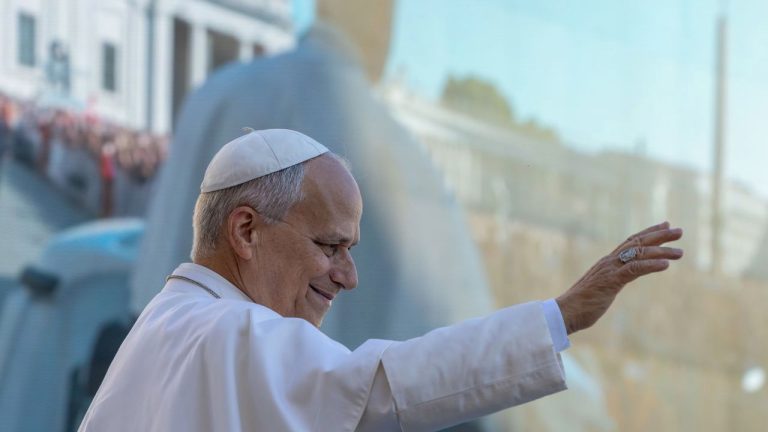
On the Feast of St. Stephen, Pope Francis traveled to Rome’s Rebibbia New Complex Prison and opened the second of five Holy Doors marking the Jubilee Year of Hope, becoming the first pope in the history of the Jubilee tradition to open one inside a prison. Standing before roughly 300 inmates, family members, and staff gathered for Mass, Francis explained simply that he wanted everyone present to have the opportunity to fling open the doors of their own hearts and understand that hope never disappoints.
The symbolism extended well beyond the ceremony itself. As part of the same Jubilee Year, women incarcerated in Italian prisons were commissioned to produce the official Jubilee tote bags using recycled materials, a vocational initiative designed to provide inmates with real skills, fair wages, and a tangible step toward eventual reintegration into society. The gesture reflected a theme Pope Francis had articulated months earlier in his bull formally announcing the Jubilee, expressing his desire to offer prisoners a concrete sign of closeness during the Holy Year.
Beyond the Vatican: The Quiet, Everyday Work of Catholic Prison Ministry
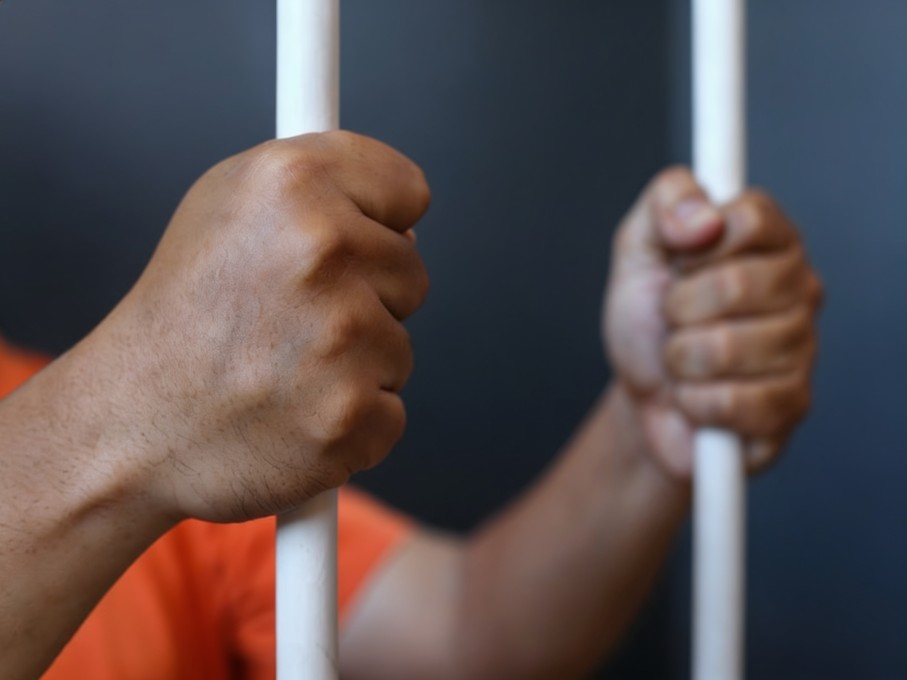
While a papal visit draws global attention, the far larger story of Catholic prison ministry unfolds daily in facilities that rarely make headlines at all. In the United States alone, a landmark national survey identified more than 1,400 paid prison chaplains serving across the country, a substantial portion of them Catholic, alongside thousands more volunteers who visit correctional facilities to lead worship, teach the faith, and simply sit with people the outside world has often forgotten. In England and Wales, where an estimated 15,000 of the roughly 85,000 people incarcerated identify as Catholic, the Catholic Bishops’ Conference has published multiple pastoral documents guiding chaplaincy work and engagement with the criminal justice system.
Father George Williams, a Jesuit chaplain at California’s San Quentin prison, has described the broader cultural shift this ministry now works against, noting that American penology has steadily moved away from hope in rehabilitation and reform since the late 1970s, embracing instead an approach focused on incapacitation. Against that backdrop, he argues, Catholic prison ministry is needed more urgently than ever, precisely because it insists on a conviction the wider system has often abandoned: that every person, regardless of what they have done, retains an unshakable dignity and a real capacity for change.
Why This Ministry Is Significant for the Church Today
This work carries genuine significance for the Church, and much of it points in an encouraging direction. Catholic prison ministry embodies one of the faith’s most countercultural convictions: that human dignity does not diminish based on a person’s worst decisions, and that redemption remains genuinely possible even for those the broader culture has already decided to write off. A historic gesture like the Rebibbia Holy Door does more than symbolize this belief; it elevates and legitimizes a ministry that chaplains and volunteers have quietly sustained for decades with comparatively little institutional attention or resources.
At the same time, an honest reading of this work requires balance. Prison ministries worldwide remain chronically under-resourced relative to the scale of incarcerated populations they serve, and Catholic teaching on criminal justice has always insisted that genuine restorative justice must attend equally to victims and communities harmed by crime, not only to offenders seeking redemption. A pastoral approach centered only on mercy toward the incarcerated, without equal attention to those who have suffered from crime, risks feeling incomplete or even painful to victims and their families. The Church’s own teaching recognizes this tension directly, calling for a justice system that holds both truths together: real accountability and genuine hope for transformation.
‘I Was in Prison and You Visited Me’

Prison ministry draws its deepest theological roots directly from Christ’s own words in the Gospel of Matthew, where he identifies himself personally with the imprisoned, declaring that whatever is done for those in prison is done for him. This is not a peripheral teaching; it is one of the corporal works of mercy the Church has held central to Christian discipleship for two thousand years, placing visiting prisoners alongside feeding the hungry and clothing the naked as concrete, non-negotiable expressions of authentic faith.
The image of a literal door, opened by the Pope himself inside a prison, carries an added layer of meaning given Christ’s own description of himself elsewhere in Scripture as “the door” through which anyone may find salvation. A Holy Door opened specifically in a place of confinement quietly proclaims that no wall, sentence, or past mistake places a person permanently beyond the reach of that same door.
A Spiritual Resolution
Sustaining genuine hope inside a prison, for inmates, chaplains, and volunteers alike, requires spiritual roots capable of enduring far longer than any single visit or ceremony. Five ordinary practices offer exactly that kind of steady foundation for this quiet, demanding ministry.
- Confession, made consistently available to incarcerated Catholics, offers something the justice system alone cannot: genuine forgiveness and a real, restored relationship with God regardless of a person’s past.
- Adoration, brought into prison chapels wherever possible, gives inmates a place to encounter Christ’s presence directly, undiminished by their circumstances or surroundings.
- The Rosary, prayed by inmates and volunteers alike, offers a steady, repeatable practice capable of anchoring hope through long, difficult stretches of confinement.
- The Eucharist, celebrated behind prison walls exactly as it was at Rebibbia, remains the same real presence of Christ available anywhere else in the Church.
- Scripture, read and reflected on in prison Bible studies, roots this entire ministry in Christ’s own explicit identification with the imprisoned, rather than treating it as optional charity work.
A Door That Remains Open
Pope Francis’s historic visit to Rebibbia prison offered the world a rare, visible glimpse into a ministry that usually unfolds far from public attention, chaplains, volunteers, and inmates themselves sustaining hope in some of society’s most overlooked spaces. That single opened door stands as a powerful symbol for a much larger truth: that the Church’s belief in human dignity and redemption does not stop at a prison wall. Coverage of stories like this one, including from platforms such as EWTN Asia Pacific News, continues to help this quiet, essential ministry reach audiences who might otherwise never think about what happens behind those walls.
To remain informed about Catholic life, teachings, and global Church developments, readers may be encouraged to visit www.ewtnvatican.com for trusted Catholic news and resources.