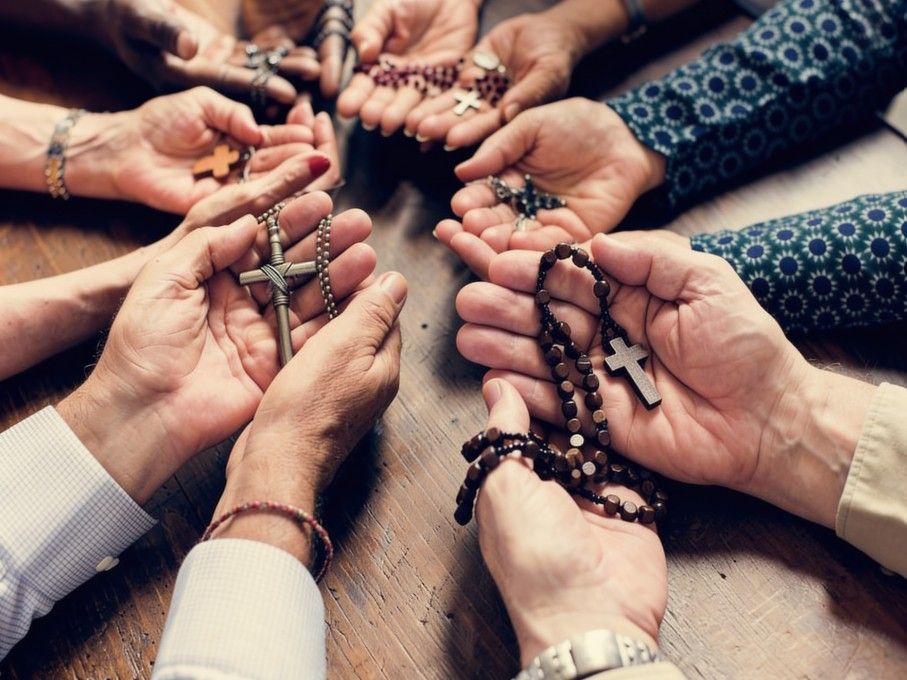
What makes a Church community truly safe? Is it enough to have policies and procedures in place, or must safety also be reflected in the culture, relationships, and spiritual life of the community itself?
A Catholic bishop has called on Church leaders to confront failures honestly as part of the effort to build genuinely safe communities. The message places renewed attention on a responsibility that reaches to the heart of the Church’s mission: ensuring that every person, especially minors and vulnerable individuals, is treated with dignity, care, and respect. Recent safeguarding efforts in the Philippines have likewise emphasized that structures are important, but lasting protection also depends on a culture of accountability and shared responsibility.
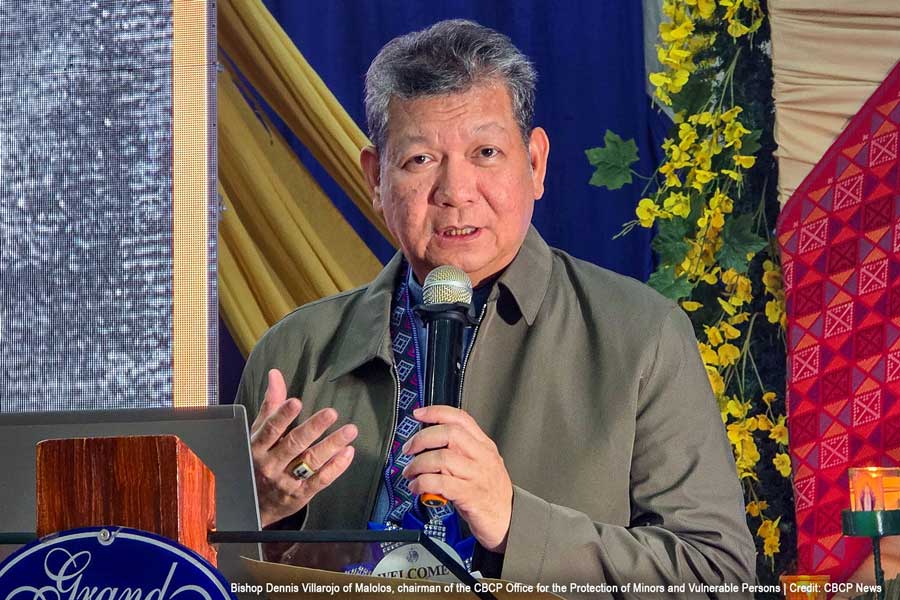
Bishop Dennis Villarojo of Malolos, chairman of the CBCP Office for the Protection of Minors and Vulnerable Persons, said that “to create safe communities within the Church, we must first acknowledge our failures in this regard.”
This is significant because safeguarding cannot become merely an administrative responsibility. Catholic communities are called to reflect the Gospel in the way they treat every person. A safe Church is one where dignity is respected, concerns are taken seriously, and responsibility is shared throughout the community. The Church’s safeguarding structures in the Philippines are intended to support dioceses in prevention, protection, investigation, and restoration, while strengthening local efforts to protect minors and vulnerable persons.
Building Safe Catholic Communities Is More Than Following Procedures
Policies and safeguarding systems remain essential, but the bishop stressed that a genuinely safe community must also be shaped by healthy relationships and an authentic culture of care. A community can have formal structures while still needing deeper renewal in the way people listen, serve, and take responsibility for one another.
For the Catholic Church, this gives the issue a deeper meaning. Safety is connected to the Christian understanding of community itself. The Church is called to be a place where people encounter the love of Christ, where the vulnerable are valued, and where pastoral care is expressed with sincerity and integrity.
A Church Community Rooted in Care and Communion
A healthy Catholic community is not defined only by its programs or institutions. It is also shaped by the quality of its relationships. Faith, joy in service, discipline, and commitment to the Church’s mission can help create communities where people experience genuine belonging and care.
This is why the bishop’s call is ultimately hopeful. Confronting failures is not the end of the Church’s story. It can become part of a deeper process of renewal, where honesty leads to accountability and accountability helps strengthen communities rooted in the Gospel.
A Spiritual Resolution
- Confession reminds the Church that renewal begins with humility and truth. Through God’s mercy, the faithful are called to acknowledge failures sincerely and allow grace to transform the heart.
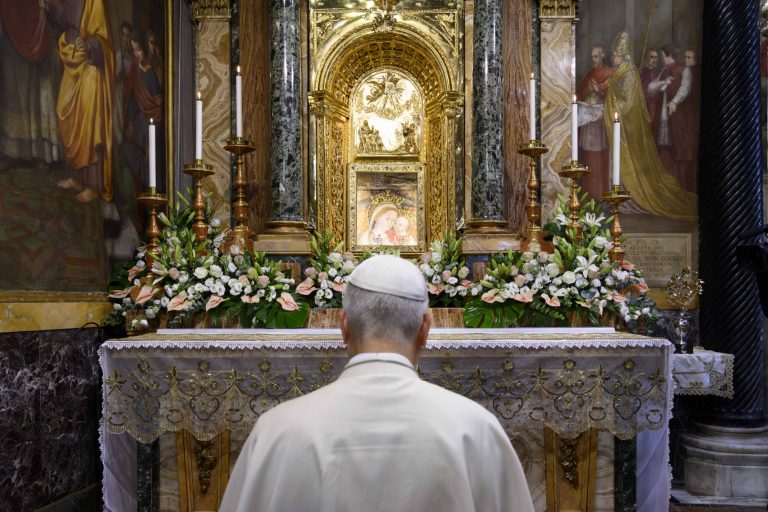
- Adoration brings Catholic communities before Christ, the source of healing and renewal, reminding the faithful that every ministry must remain rooted in His love and presence.
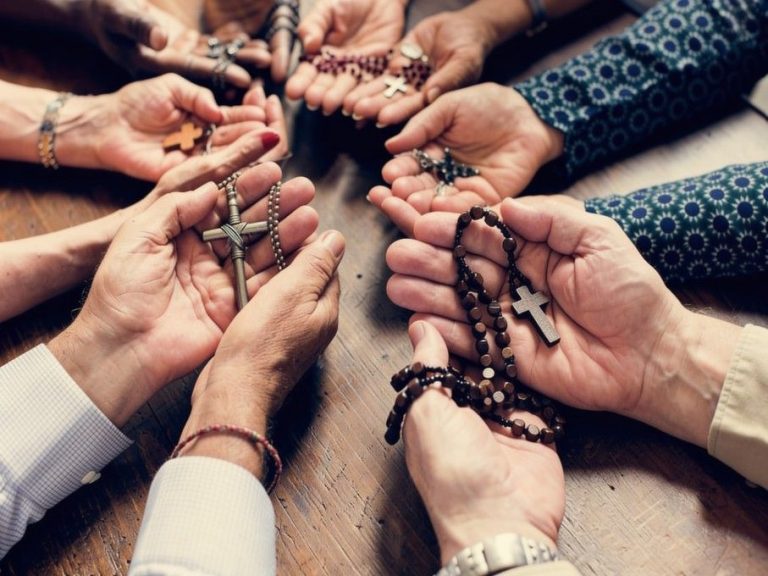
- The Rosary unites families and communities in prayer, entrusting the Church and those entrusted to its care to the maternal intercession of the Blessed Virgin Mary.
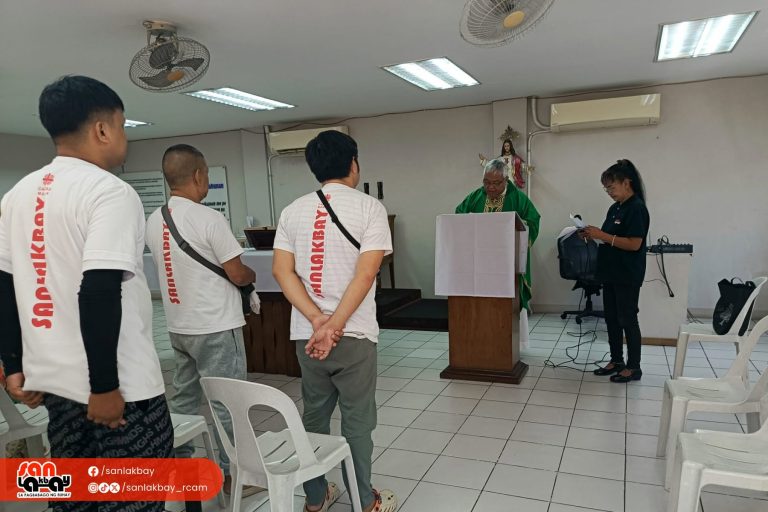
- The Eucharist gathers the faithful as one Body in Christ and reminds the Church that communion must be reflected in genuine care, respect, and responsibility for one another.
- Scripture grounds the Church’s mission in Christ’s love for the vulnerable and His call to serve others with humility, compassion, and faithfulness.
To remain informed about Catholic life, teachings, and global Church developments, readers may be encouraged to visit www.ewtnvatican.com for trusted Catholic news and resources.