Hands Clasped in Prayer | Credit: Envato Elements
Church Leaders Model Unity Through Communion
The call for Church leaders to model unity reflects a central part of Catholic life. Bishops, priests, religious, and lay leaders all serve within one Church, even while bringing different gifts, experiences, and charisms to their ministries.
Catholic unity does not require everyone to be exactly alike. The Church has always been made up of people with different backgrounds and responsibilities, yet all are called to remain united in Christ. Genuine communion allows these differences to become gifts rather than barriers, strengthening the Church’s shared mission.
Unity Is More Than Simply Avoiding Conflict
Avoiding disagreement is not necessarily the same as building unity. A community may appear peaceful while important relationships remain distant or disconnected. The deeper Christian call is to build genuine communion through prayer, listening, understanding, and charity.
This is why the bishop’s message is significant. Church leaders who model unity help demonstrate that Christian leadership is relational. Leadership is not only about fulfilling responsibilities or managing institutions; it is also about bringing people closer together through a shared commitment to Christ and the Gospel.
Church Unity Begins with Humility and Listening
The Catholic understanding of leadership is closely connected to service. Christ Himself taught His disciples that greatness is found not in seeking prominence but in serving others with humility and love.
For Church leaders, this spirit of service creates the foundation for authentic unity. Listening becomes an expression of respect, while humility allows leaders to recognize the gifts and experiences of others. In this way, unity is not something imposed from above but something nurtured through relationships rooted in Christian charity.
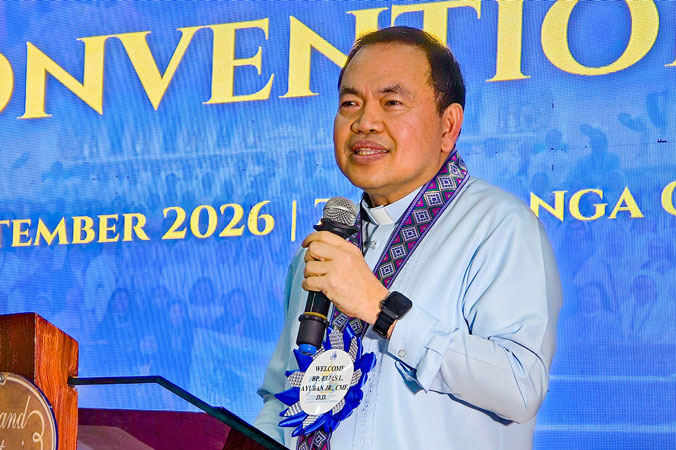
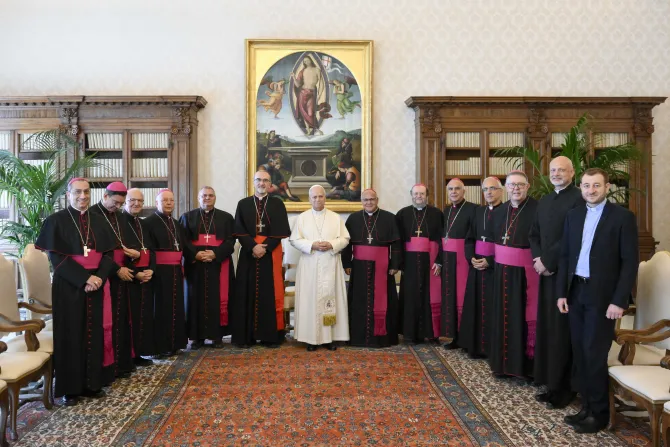
Bishop Elias Ayuban Jr. of Cubao, chairman of the CBCP Episcopal Commission on Mutual Relations Between Bishops and Religious, addresses the country’s major superiors in Zamboanga City on Sept. 3, 2026. | Credit: CBCP News
Unity in the Church Reflects the Mission of Christ
The Gospel consistently points toward reconciliation, communion, and love among Christ’s followers. Jesus prayed that His disciples “may all be one,” making unity an essential part of the Church’s spiritual identity.
This gives the call for Church leaders to model unity a deeper meaning. Unity is not simply an organizational goal. It is a spiritual witness rooted in the relationship between Christ and His Church. When Catholic leaders work together in a spirit of communion, they reflect the Church’s identity as one Body in Christ.
- Confession renews the heart through God’s mercy, reminding Church leaders and the faithful that humility and forgiveness are essential to authentic Christian communion.
- Adoration brings the faithful before Christ, the true source of unity, allowing differences and concerns to be placed in the presence of the One who gathers His people together.
- The Rosary unites Catholics in a shared prayer centered on Christ, strengthening the spiritual bonds that connect families, communities, and the wider Church.
- The Eucharist stands at the heart of Catholic unity, gathering many people around one altar and reminding the faithful that they are united as one Body in Christ.
- Scripture provides the foundation for Christian communion, especially through Christ’s call to love one another and His prayer that His followers may remain one.
To remain informed about Catholic life, teachings, and global Church developments, readers may be encouraged to visit www.ewtnvatican.com for trusted Catholic news and resources.