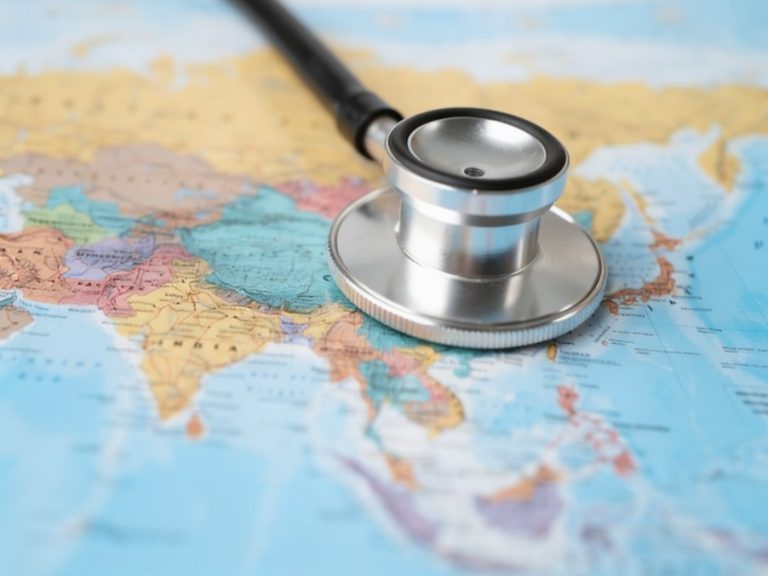
What happens when the cost of medical care becomes too great for families to carry? Across the Asia-Pacific region, access to health care remains a major concern for people who face difficult choices when medical expenses place enormous pressure on household finances. A new regional goal to advance free health care for all by 2030 brings renewed attention to the importance of ensuring that care remains within reach of those who need it.
The issue is significant for the Catholic Church because care for the sick has always been closely connected to its mission. As EWTN Asia Pacific News highlights this growing concern, the Church’s response reflects a fundamental Christian belief: every person deserves to be treated with dignity, compassion, and genuine concern, especially during moments of illness and vulnerability.
Free Health Care for All by 2030 Protects Human Dignity
The effort to achieve free health care for all by 2030 focuses on reducing the financial burden that can prevent people from receiving essential medical services. When health care becomes inaccessible because of cost, the challenge affects not only physical well-being but also the security and dignity of families.
For the Catholic Church, this concern reflects the belief that care for the sick is an essential expression of Christian love. The Church in Asia has long recognized health care as a vital part of its mission, particularly among people who struggle to access even basic medical services because of poverty or marginalization.
Catholic Health Care Brings Compassion into Action
The Church’s commitment to health care has historically taken many forms, including hospitals, clinics, dispensaries, care homes, pastoral ministries, and the work of religious congregations. These institutions express a Catholic understanding that caring for the sick means caring for the whole person, with attention not only to physical needs but also to emotional, social, and spiritual well-being.
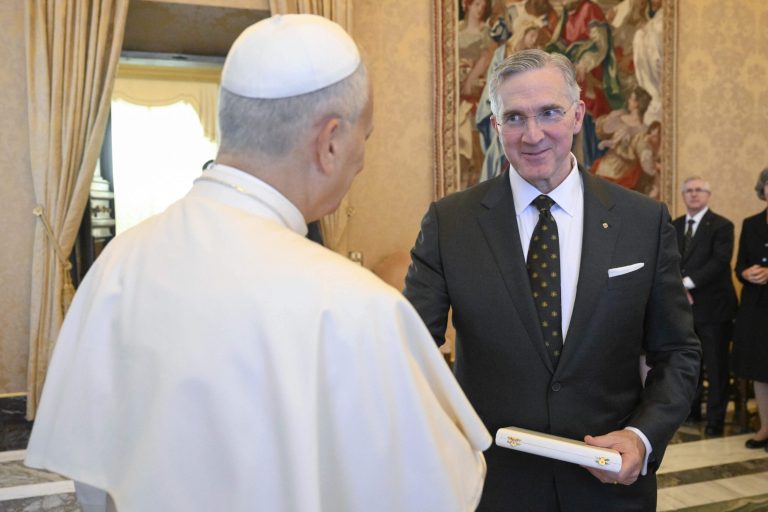
Pope Leo XIV’s message for the 2026 World Day of the Sick describes the Good Samaritan as a model of compassion that moves beyond sympathy and becomes concrete action. He emphasizes that care for the sick is a shared mission in which families, health-care workers, pastoral workers, volunteers, and communities all contribute to a wider culture of compassion.
Free Health Care for All by 2030 Reflects the Good Samaritan
The Gospel image of the Good Samaritan offers a powerful spiritual lens through which to understand the importance of accessible health care. Jesus presents compassion not as a distant feeling but as a response that draws close, recognizes another person’s needs, and provides care.
This makes the goal of free health care for all by 2030 significant for the Church. It reflects the Catholic conviction that compassion must be expressed through structures and communities capable of supporting people in times of need. The Church’s long tradition of health ministry demonstrates that Christian charity becomes most visible when it combines professional care with respect for the dignity of every person.
Why Free Health Care for All Is Significant for the Catholic Church
This issue is important because health care touches one of the most fundamental responsibilities of Christian compassion: caring for the person who is suffering. The Catholic Church does not view health solely as a technical or financial concern. It is also a pastoral concern because illness can affect the entire person and family.
The Church has consistently emphasized the importance of Catholic health institutions and the people who serve within them. Pope Francis described these institutions as a “precious treasure” because they demonstrate the Church’s closeness to the sick, the poor, and those whose needs may otherwise be overlooked.
A Spiritual Resolution
- Confession invites Catholics to examine their hearts and seek God’s mercy, renewing the compassion needed to recognize the dignity and needs of those who are sick or struggling.
- Adoration allows the faithful to bring before Christ all those in need of healing and care, finding in His presence a deeper understanding of compassion, patience, and Christian solidarity.
- The Rosary unites families and communities in prayer through the intercession of the Blessed Virgin Mary, asking for comfort and strength for the sick, their families, and those who care for them.
- The Eucharist brings Catholics together as one Body in Christ, reminding the faithful that Christian love extends beyond personal concerns and calls the Church to remain close to those who are vulnerable.
- Scripture grounds the Church’s health ministry in the life and teaching of Christ, especially in the example of the Good Samaritan, whose compassion became visible through concrete care for someone in need.
To remain informed about Catholic life, teachings, and global Church developments, readers may be encouraged to visit www.ewtnvatican.com for trusted Catholic news and resources. Or watch catholic programming via EWTN flix app or EWTN Asia Pacific’s On Demand section