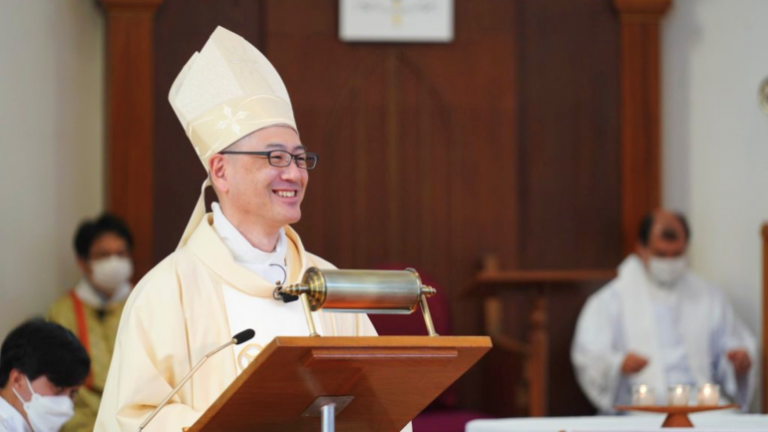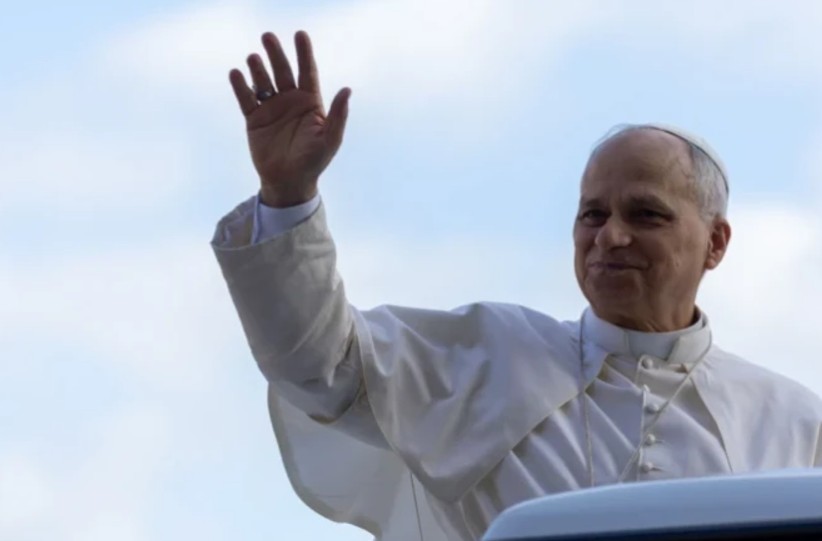
Behind every statistic about global migration is a child with a name, a story, and a face that too easily gets lost in the numbers. That is precisely the shift in perspective Pope Leo XIV is asking the world to make. In his message for the World Day of Migrants and Refugees, released by the Vatican on August 14 ahead of its September 27 observance, the pope insisted that the world can no longer treat migration, especially when it involves children, as a problem to be managed or quantified, but must instead recognize it as a direct call to protect basic human rights and dignity.
The Scale of the Crisis: 45 million Children Displaced Worldwide
The numbers behind this appeal are genuinely staggering. According to the UN refugee agency, UNHCR, an estimated 45 million children were among the people forcibly displaced worldwide by the end of 2025. Citing the same UNHCR data, UNICEF USA reported that while children make up 29 percent of the global population, they account for a disproportionate 38 percent of the total 117.8 million forcibly displaced people worldwide. In his message, Pope Leo lamented the rising number of children and adolescents forced to flee their homes because of war, poverty, violence, environmental disasters, and other tragedies, a broad and sobering list that spans nearly every region of the world.
This year’s message carried the theme “Even Just One of These Children,” a phrase chosen deliberately to resist the tendency to think of displacement only in terms of aggregate numbers rather than individual lives.
Beyond Displacement: The Layered Suffering Pope Leo Describes
Pope Leo was direct in naming why children deserve particular attention within the broader migration crisis. Minors, he wrote, are the most vulnerable group within the global movements of migration, each one a concrete face carrying a unique story capable of calling on the world’s conscience. The pope noted that suffering for these children rarely ends once displacement itself occurs. Many have already endured the loss of family members or friends through violence or forced separation and go on to face extreme and traumatic conditions well beyond the initial upheaval of leaving home.
The pope named these compounding harms plainly and without minimizing them: dangers along migration routes, exploitation, the recruitment of minors into armed conflict, and other forms of abuse that leave a child’s basic dignity trampled in ways that are difficult to fully measure. Rather than dwelling on graphic detail, the pope’s message focused on the moral weight of these realities, insisting that the world cannot simply become accustomed to this level of suffering.
A Light in the Darkness: Solidarity That Overcomes Indifference
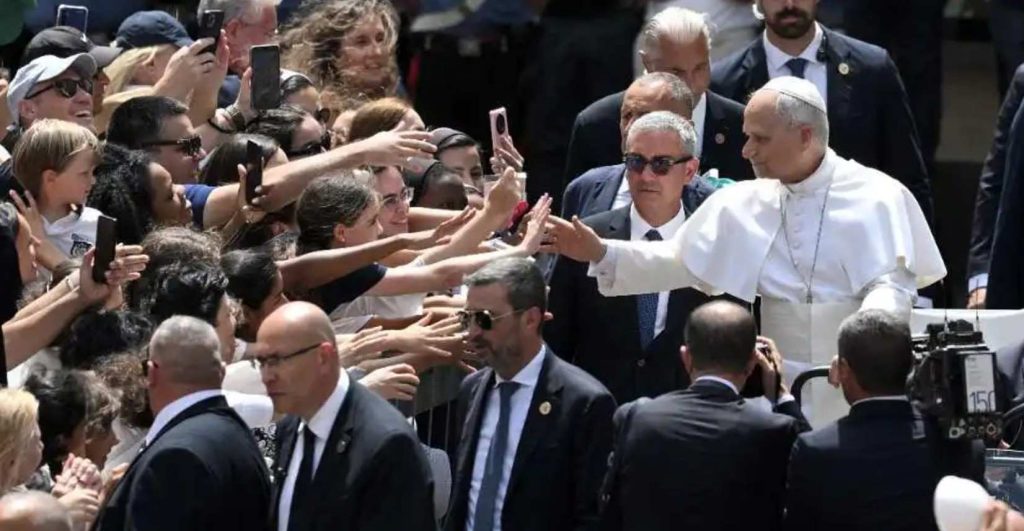
Alongside this sobering picture, Pope Leo’s message included a note of genuine hope. He specifically praised the individuals, families, institutions, and ecclesial communities already working to bring what he described as a light of solidarity into the darkness many migrant children experience, a recognition that this crisis, however vast, is not being met with silence everywhere. He also called on the countries migrant children are fleeing from to work toward removing the underlying causes compelling them to leave in the first place, a call directed at addressing root causes broadly rather than singling out any one nation or policy.
Why This Message Is Significant for the Church Today
This message carries genuine significance for the Church, and in this case, that significance is strongly encouraging. By deliberately reframing migration away from abstract policy debate and toward the concrete reality of individual children, Pope Leo offers a moral corrective badly needed in a global conversation that too often reduces displaced people to statistics or political talking points. His explicit recognition of ecclesial communities and Catholic institutions already serving displaced children on the ground, from parish-run shelters to broader humanitarian partnerships, reflects a Church actively present in this crisis, not merely commenting on it from a distance.
At the same time, an honest reading of this moment requires real proportion. Forty-five million displaced children is a crisis of a scale that no single institution, however committed, can resolve through charitable response alone. The Church’s ongoing solidarity work remains genuinely valuable and worth continued support, but this message is best understood as a moral call to broader, sustained global action, not a claim that existing efforts are sufficient to meet the full scope of the need.
Welcoming Even Just One Child
The message’s chosen theme draws directly from one of Christ’s own clearest teachings. In the Gospel of Matthew, Jesus declares that whoever welcomes even one child in his name welcomes him personally, later expanding that same principle into his teaching that whatever is done for “the least of these” is done for him directly. Pope Leo’s theme, “Even Just One of These Children,” places this ancient teaching squarely at the center of a very modern crisis, insisting that Christ’s own identification with vulnerable children applies exactly as urgently to a child fleeing conflict or disaster today as it did to any child in first-century Galilee.
A Spiritual Resolution
Responding faithfully to a crisis of this scale requires more than a single moment of concern; it requires spiritual practices capable of sustaining genuine compassion over the long term, without collapsing into either despair or indifference. Five ordinary practices offer that steady foundation.
- Confession, which clears away the quiet indifference that can settle in when suffering feels too vast or distant to respond to meaningfully.
- Adoration, quiet time before Christ, cultivates the same attentiveness to “concrete faces” that Pope Leo insists must replace abstract statistics.
- The Rosary, prayed specifically for displaced children and the families and communities working to protect them, keeps this crisis present in prayer long after headlines move on.
- The Eucharist, received in genuine solidarity with the suffering, forms believers in the same self-giving love the pope described as capable of overcoming indifference.
- Scripture, particularly Christ’s own teaching on welcoming children, grounds this entire response in something deeper than policy debate or humanitarian statistics alone.
To remain informed about Catholic life, teachings, and global Church developments, readers may be encouraged to visit www.ewtnvatican.com for trusted Catholic news and resources. Or watch catholic programming via EWTN flix app or EWTN Asia Pacific’s On Demand section