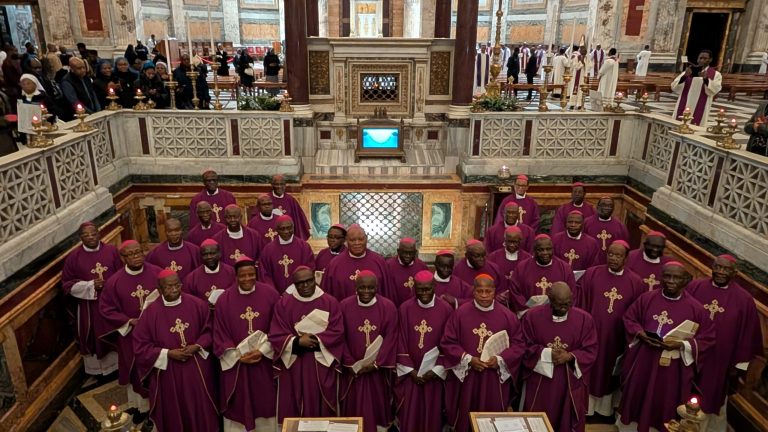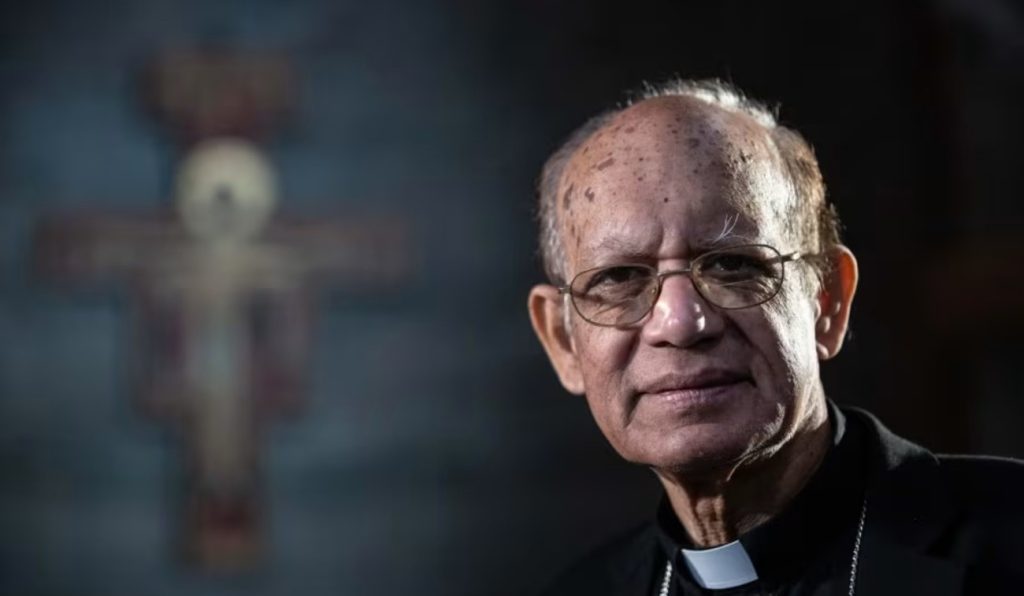
More than 150 Catholic bishops from 29 nations gathered in Jakarta this week being called by Cardinal Gracias for one of the most significant regional Church meetings in Asia in over three decades, and the opening message delivered by Pope Leo XIV’s special envoy is already being described as a defining moment for the continent’s Catholic future. Cardinal Oswald Gracias, the retired Archbishop of Mumbai, stood before the assembly and delivered a challenge that sounds simple but carries enormous weight in a region marked by war, religious division, and widening inequality: become bridge-builders, or risk becoming irrelevant to the peace the world so desperately needs.
Inside the 12th FABC Assembly: A Gathering Built Around Bridges
The gathering in question is the 12th Plenary Assembly of the Federation of Asian Bishops’ Conferences, held roughly every four years and last hosted in Indonesia back in 1990 in the city of Bandung. That earlier assembly shaped a vision often summarized as a new way of being Church in Asia, one centered on dialogue with the poor, with local cultures, and with other religions. This year’s theme builds directly on that legacy: “The Call to Synodal Conversion and the Mission to Be Bridges and Bridge-Builders in Asia,” a phrase drawn from Christ’s words in the Gospel of John, “you will see greater things than this.”
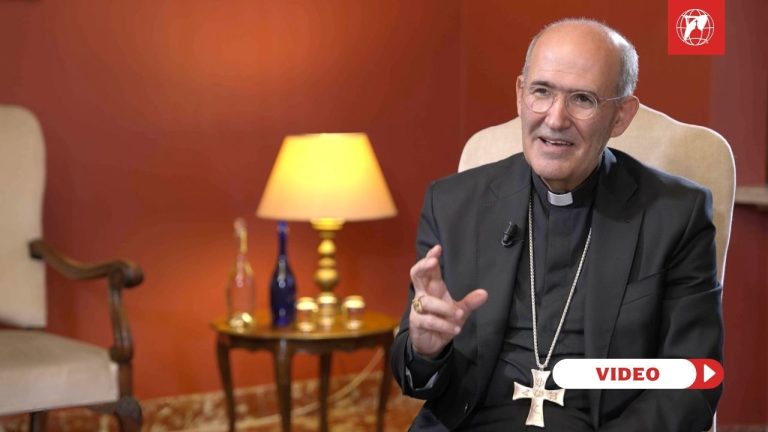
Pope Leo XIV appointed Cardinal Gracias as his personal delegate to preside over the opening Eucharist, a gathering that also drew Cardinal Stephen Chow of Hong Kong, Cardinal Virgilio do Carmo da Silva of Timor-Leste, and Cardinal Luis Antonio Tagle, who is leading the assembly’s days of prayer and communal discernment. In his homily, Gracias described the Church’s mission plainly: to connect people, reconcile differences, resolve conflict, and help build peace in a fractured world.
Why Synodality Is Being Called Asia’s Natural Gift to the Church
One of the most striking elements of Cardinal Gracias’ message was his insistence that synodality, the emphasis on listening, participation, and shared responsibility that has defined much of Pope Francis’ and now Pope Leo XIV’s papacy, is not a foreign import for Asia but something the continent already understands instinctively. He pointed to family life, communal values, and long-standing cultural habits of mutual respect as evidence that Asian societies have practiced a form of synodality long before the term became a Vatican priority.
Gracias went further, suggesting that synodal values, listening, openness, and shared responsibility, could do more than renew Church life; they could also help address corruption and strengthen governance in parts of Asia where both remain persistent challenges. He also raised the possibility of Asia’s Churches forming an interreligious movement for peace, responding directly to rising violence and religious division both across the region and globally.
The Significance of This Bridge-Building Call for the Church Today
This moment carries real significance for the Church, and much of it leans strongly positive. A senior cardinal explicitly linking synodality to peacebuilding, anti-corruption efforts, and interreligious cooperation signals a maturing regional Church willing to engage the messy realities of governance and conflict rather than confining its mission to internal Church matters. The symbolism reinforced this: assembly participants are set to walk through a “Friendship Tunnel” physically connecting Jakarta’s cathedral to the neighboring Istiqlal Mosque, a concrete gesture of the interreligious harmony Gracias described in words.
At the same time, an honest reading of this moment requires some caution. Asia remains a continent where Christians face real persecution, legal restriction, and political marginalization in several countries, and lofty rhetoric about bridge-building can risk feeling aspirational if it isn’t matched by sustained, practical follow-through once the assembly’s delegates return home. The FABC’s own plan to produce a practical vademecum, a working guide, on synodality suggests organizers are aware of this risk and are trying to move past symbolic statements toward implementable guidance for local Churches.
The Ancient Meaning Behind “Bridge-Builder”
There is a striking spiritual resonance beneath this entire theme that deserves its own attention. One of the Pope’s oldest traditional titles is Pontifex, Latin for bridge-builder, a title inherited from ancient Rome and carried into the papacy precisely to express this same mission: connecting heaven and earth, and connecting people divided by culture, language, or conflict. Cardinal Gracias’ call for Asia’s bishops to become “bridges ourselves” is not simply a modern communications strategy; it echoes one of the oldest self-understandings of the Church’s mission itself.
This is where the assembly’s chosen Gospel verse becomes especially fitting. Christ’s promise that his followers would “see greater things than this” was spoken to a skeptic who doubted before he believed, and it points toward a faith that unfolds gradually, through relationship and trust rather than instant certainty. For a continent as vast, diverse, and divided as Asia, that promise offers something more durable than a single assembly’s headlines: a long, patient hope that reconciliation, however slow, is still possible.
A Spiritual Resolution
The deeper spiritual invitation in Cardinal Gracias’ message is not simply that the Church should construct bridges as external projects, but that believers themselves are called to become bridges, in families, parishes, and daily encounters with people who think, worship, or live differently. A bridge that is built once and left unattended eventually falls into disrepair, so sustaining that posture requires ongoing spiritual upkeep, cultivated through five ordinary practices:
- Confession, which clears away the suspicion and pride that quietly erode patience for those who think or worship differently.
- Adoration, quiet time before Christ that steadies the patience needed to keep listening rather than reacting.
- The Rosary, a repeated rhythm of prayer that can be offered specifically for peace and reconciliation across the divides Cardinal Gracias named.
- The Eucharist, the deepest connection the Church has to offer, the model every human bridge is meant to imitate.
- Scripture, returned to often, keeping alive the same patient hope behind the assembly’s chosen verse, that greater things than this remain possible.
For ordinary Catholics far from Jakarta’s assembly halls, this resolution is immediately practical: choosing to listen fully before responding in a disagreement, extending respect across religious or cultural difference, and trusting that reconciliation, even when it feels distant or slow, remains part of God’s ongoing work rather than a finished project.
To remain informed about Catholic life, teachings, and global Church developments, readers may be encouraged to visit www.ewtnvatican.com for trusted Catholic news and resources.