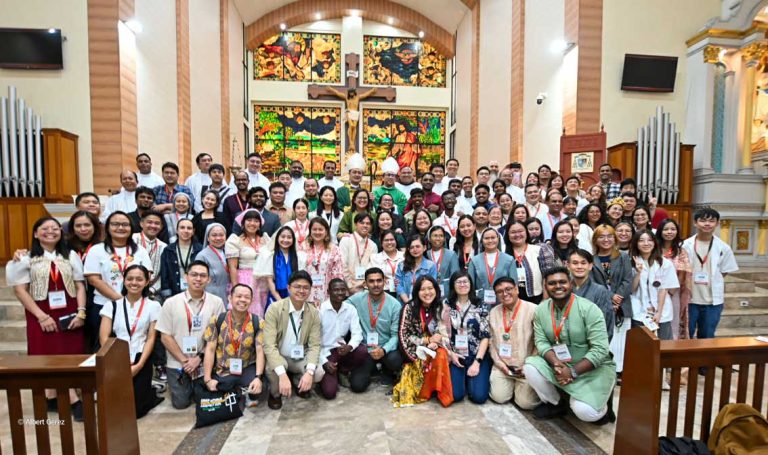
The Future of Faith Rests in Young Hands
The Catholic Church stands at a pivotal moment in history. While many religious institutions worldwide struggle with declining youth participation, the Catholic Church in Bangalore is charting a bold new course. The National Synodal Assembly held in May 2026 sent a clear message: young Catholics are not merely the future of the Church—they are essential partners in its mission today.
If you’ve ever wondered how the Church can remain relevant to young people navigating a complex, rapidly changing world, you’re asking the right question. The challenge is real. Youth engagement in Catholic Church communities has declined significantly over the past two decades, with many young people feeling disconnected from institutional religion. Yet the recent synodal gathering in Bangalore revealed something remarkable: when the Church genuinely listens to young voices and empowers them to lead, transformation becomes possible.
This article explores six transformative ways the Catholic Church in Bangalore is revolutionizing youth engagement and leadership development. These aren’t theoretical concepts—they’re concrete commitments emerging from the first National Synodal Assembly in India, a historic gathering that brought together 220 Church leaders to reimagine the Church’s future. By understanding these approaches, you’ll discover how youth engagement in Catholic Church communities is evolving and what it means for the spiritual renewal of faith communities across the Asia Pacific region.
Understanding Youth Engagement in the Catholic Church Context
Before diving into the six ways the Bangalore Catholic Church is empowering youth, it’s essential to understand what youth engagement truly means in a Catholic context. Youth engagement in Catholic Church communities extends far beyond simply getting young people to attend Mass on Sunday. It encompasses creating meaningful opportunities for young Catholics to discover their faith, develop their talents, and contribute their unique gifts to the Church’s mission.
The National Synodal Assembly in Bangalore recognized a critical reality: young people don’t want to be passive observers in their faith communities. They want to be heard, valued, and given real responsibility. This shift in perspective represents a fundamental change in how the Catholic Church in Bangalore approaches youth engagement. Rather than viewing young people as problems to manage or future members to retain, the Church now sees them as vital partners whose voices shape the present.
Youth engagement in Catholic Church settings also means creating safe, welcoming spaces where young Catholics can ask difficult questions, explore their faith authentically, and encounter Christ in meaningful ways. The Bangalore Catholic Church’s commitment to youth engagement reflects Pope Francis’ vision of a Church that listens, learns, and walks together with all its members.
1. Positioning Youth as Active Leaders and Catechists
One of the most significant shifts emerging from the National Synodal Assembly is the Church’s commitment to positioning youth as active leaders and catechists within their parishes and dioceses. This represents a dramatic departure from traditional models where youth were primarily recipients of formation rather than agents of evangelization.
In Bangalore Catholic Church communities, young people are now being invited to lead prayer services, facilitate small group discussions, and serve as peer catechists. This approach recognizes a fundamental truth: young people often learn best from other young people who share their language, concerns, and cultural references. When a 19-year-old explains the Eucharist to a 12-year-old, the message resonates differently than when an older priest delivers the same content.
The Bangalore Catholic Church is actively recruiting and training youth catechists through diocesan programs that combine theological formation with practical leadership skills. These young leaders are not merely repeating what they’ve been taught; they’re becoming animators of faith—people who inspire others to deeper discipleship. This youth engagement in Catholic Church communities creates a multiplier effect, where one trained young leader can impact dozens of peers.
2. Enhancing Vocational Guidance and Digital Literacy
The National Synodal Assembly in Bangalore recognized that youth engagement in Catholic Church communities must address the real challenges young people face in contemporary society. Two critical areas emerged: vocational guidance and digital literacy.
Vocational guidance in the Catholic Church context means helping young people discern their life path in light of their faith. This includes exploring vocations to priesthood and religious life, but it extends far beyond these traditional paths. The Bangalore Catholic Church now offers comprehensive vocational guidance that helps young people understand how their talents, passions, and skills can serve God’s kingdom—whether through marriage, single life, professional work, or religious vocation.
Digital literacy initiatives represent another crucial dimension of youth engagement in Catholic Church settings. Young people today are digital natives, constantly navigating social media, online communities, and digital platforms. The Bangalore Catholic Church is equipping youth with skills to engage their faith in digital spaces, create content that shares Catholic teachings, and use technology as a tool for evangelization rather than viewing it as a threat to faith.
These initiatives recognize that youth engagement in Catholic Church communities cannot ignore the digital world where young people spend significant portions of their lives. By providing digital literacy training, the Church empowers young people to be authentic witnesses to their faith in online spaces.
3. Robust Child Protection Policies and Safe Spaces
Youth engagement in Catholic Church communities must be built on a foundation of safety and trust. The National Synodal Assembly in Bangalore prioritized the adoption of comprehensive child protection policies, recognizing that young people deserve secure environments where they can grow in faith without fear.
These robust policies address multiple dimensions of child safety. They include background checks for adults working with youth, clear protocols for reporting concerns, trauma-informed approaches to pastoral care, and transparent accountability mechanisms. The Bangalore Catholic Church’s commitment to child protection reflects the Gospel’s clear teaching that those who harm children face serious consequences.
Beyond policies, the Church is creating safe spaces—both physical and relational—where young people can be themselves. This means parishes and diocesan centers that are welcoming, age-appropriate, and staffed by trained adults who understand adolescent development. Youth engagement in Catholic Church communities flourishes when young people know they are safe, valued, and protected.
4. Enhanced Faith Formation for Families and Youth
The National Synodal Assembly in Bangalore emphasized that youth engagement in Catholic Church communities begins in families. Parents are the primary educators in faith, and the Church’s role is to support and strengthen family faith formation.
The Bangalore Catholic Church is developing comprehensive faith formation programs that engage entire families. These programs recognize that young people’s spiritual development doesn’t happen in isolation—it’s deeply connected to family dynamics, parental example, and household practices. Family-centered youth engagement in Catholic Church settings creates reinforcing circles of faith where what young people learn in parish programs is supported and deepened at home.
Age-appropriate catechesis is another critical component. Rather than using one-size-fits-all approaches, the Bangalore Catholic Church is developing formation programs specifically designed for different developmental stages. What resonates with a 7-year-old differs dramatically from what engages a 16-year-old. By tailoring youth engagement in Catholic Church programs to developmental needs, the Church increases both comprehension and spiritual impact.
5. Active Participation in Decision-Making Mechanisms
Perhaps the most revolutionary aspect of youth engagement in Catholic Church communities emerging from the National Synodal Assembly is the commitment to include young people in decision-making processes. Historically, Church governance has been the exclusive domain of clergy and bishops. The Bangalore Catholic Church is changing this reality.
Youth representatives at the National Synodal Assembly explicitly expressed their joy in serving the Church while simultaneously requesting that their active presence on decision-making mechanisms be expedited. This wasn’t a complaint—it was a passionate plea to be heard and to contribute to shaping the Church’s future.
The Bangalore Catholic Church is responding by creating youth councils at parish and diocesan levels, ensuring young people have seats at tables where decisions are made. This isn’t tokenism; it’s genuine inclusion where youth voices influence priorities, programs, and pastoral directions. When young people see their suggestions implemented and their concerns addressed, youth engagement in Catholic Church communities deepens dramatically.
6. Collaborative Leadership Development Programs
The final dimension of youth engagement in Catholic Church communities involves comprehensive leadership development. The Bangalore Catholic Church recognizes that empowering youth requires intentional investment in their growth as leaders.
These collaborative leadership programs combine spiritual formation with practical skills training. Young people learn about Catholic social teaching, Scripture, theology, and Church history alongside communication skills, conflict resolution, project management, and team dynamics. The goal is to develop young Catholics who can lead effectively in both Church and secular contexts.
Mentorship is a critical component of these programs. Experienced Church leaders, both clergy and lay, work alongside young people, modeling faithful discipleship and providing guidance. This mentorship relationship creates space for young people to ask questions, process doubts, and develop their faith in relationship with trusted adults.
The Broader Impact: Youth Engagement in Catholic Church Communities Transforms Everything
When the Bangalore Catholic Church genuinely empowers youth through these six approaches, the impact extends far beyond individual young people. Entire parishes are revitalized. Young families are drawn to communities where their children are welcomed, valued, and given meaningful roles. The Church’s witness becomes more credible when young people authentically live their faith.
The National Synodal Assembly’s commitment to youth engagement in Catholic Church communities reflects a deeper theological truth: the Holy Spirit speaks through all the baptized, including young people. When the Church listens to youth voices, it hears the Spirit’s guidance for its future.
Youth Engagement in Catholic Church as Spiritual Practice
The six ways the Bangalore Catholic Church empowers youth represent far more than organizational strategies or pastoral innovations. They reflect a profound spiritual commitment to the Gospel’s message that Christ came to serve, not to be served, and that the kingdom of God belongs to those who become like children.
Youth engagement in Catholic Church communities is ultimately an invitation to spiritual transformation—for young people and for the Church itself. When young people are genuinely empowered to lead, serve, and participate in the Church’s mission, they encounter Christ in deeper ways. Their faith becomes not something inherited from previous generations but something they own, live, and share with passion.
If you’ve been searching for ways to deepen your own faith journey or support young people in your community, the Bangalore Catholic Church’s approach to youth engagement offers practical inspiration. Begin by attending Mass with renewed intention, asking the Holy Spirit to show you how you might support youth in your parish. Spend time in Eucharistic Adoration, praying specifically for young Catholics—for their faith, their vocations, their courage to live Gospel values in a secular world.
Pray the Holy Rosary, asking Mary’s intercession for the next generation of Church leaders. Seek the Sacrament of Confession, examining how you might better listen to and support young people in your life. Read Scripture passages about Jesus’ relationship with young people, particularly the Gospel accounts of his interactions with children and young disciples. Reflect on how these biblical models challenge and inspire you.
The future of the Catholic Church in Bangalore, across India, and throughout the Asia Pacific region rests in the hands of young people who are discovering their faith, developing their gifts, and stepping into leadership. By supporting youth engagement in Catholic Church communities, you participate in the Holy Spirit’s work of renewal and transformation. For ongoing updates on youth initiatives and Church news, visit www.ewtnvatican.com.