Thousands are lining up for a small vial of oil, seeking the “Traveling Miracle” of Saint Charbel. As his pilgrim relic makes its way across the Philippines in 2026, from the Manila Cathedral to the quiet parishes of Pasig, a single question is on everyone’s lips: what is the secret behind this holy oil?
Is it a “magic potion” that can cure any illness, or is it something much deeper? For the millions of devotees who have experienced its power, the oil of Saint Charbel is a tangible sign of God’s healing grace. It is a bridge between the mountains of Lebanon and the islands of the Philippines, carrying a message of hope for those facing the “impossible.”
By understanding the history, the mystery, and the proper use of this sacred sacramental, we can better appreciate why the “Hermit of Annaya” has become a global sensation. Whether you are seeking physical healing or spiritual peace, the story behind the oil offers a powerful lesson in the beauty of faith and the strength of intercession.
1. From a Mountain Hermitage to the Philippine Islands
To understand the oil, we must first understand the man. Saint Charbel Makhlouf was a Lebanese Maronite monk who lived in total silence and solitude for 23 years. He sought to be “hidden” from the world, yet after his death in 1898, he became one of the most famous “wonderworkers” in the history of the Church.
For decades after his passing, his body remained perfectly uncorrupted, emitting a mysterious, fragrant liquid that devotees began to call “holy oil.” This liquid was found to be the source of countless inexplicable healings. Today, while the original liquid is no longer flowing, the tradition continues through blessed olive oil that has been placed in contact with his relics.
The “Pilgrim” Connection in 2026
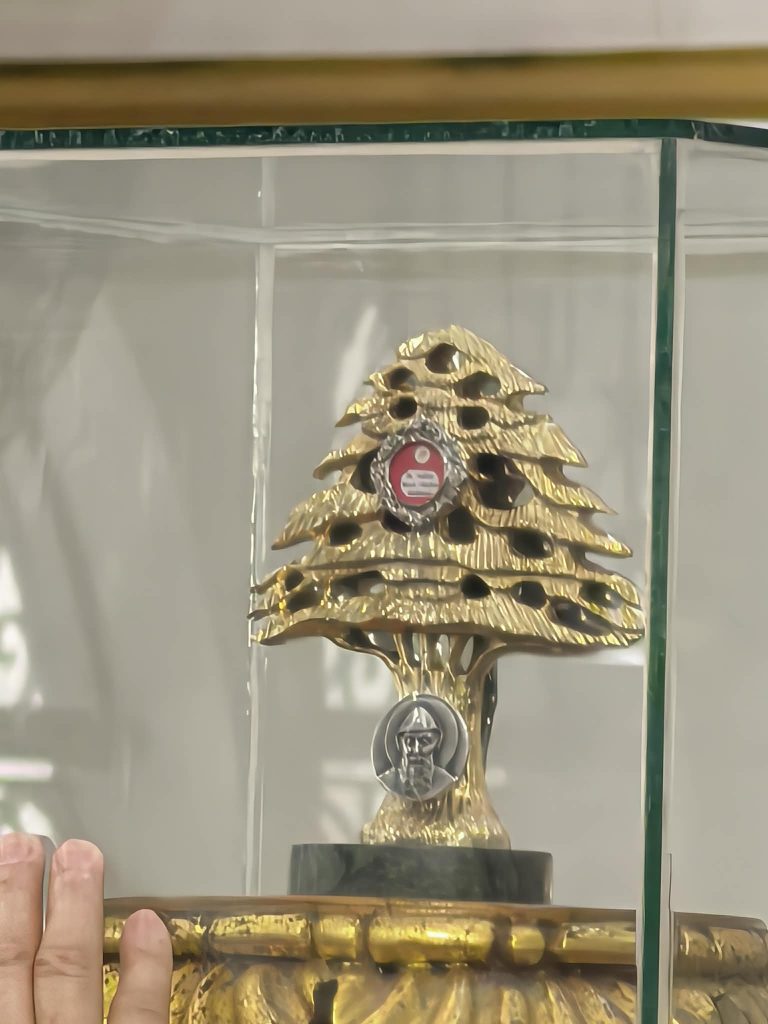
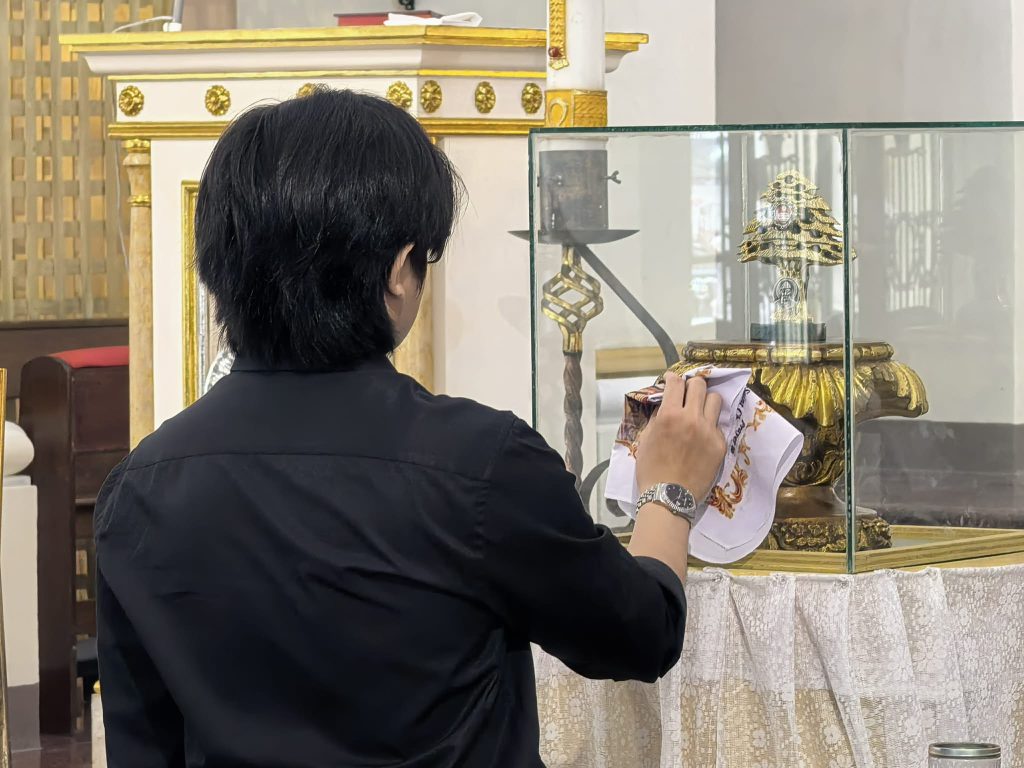
In March and April of 2026, the Family of Saint Cherbel – Philippines organized a nationwide tour of the saint’s pilgrim relic. At every stop, from the National Shrine of the Sacred Heart to local diocesan cathedrals, the distribution of holy oil has been a central part of the experience. For many Filipinos, this oil is a way to bring the “presence” of the saint back to their sick loved ones at home.
The logistical scale of this tour is a testament to the depth of devotion in the Philippines. Transporting a sacred relic across an archipelago of over 7,000 islands is no small feat. It involves careful coordination with local dioceses, security protocols, and the dedicated service of volunteers. Yet, the reward is found in the faces of the thousands who wait for hours in the tropical heat just for a few seconds of prayer near the relic. This “marathon of faith” mirrors the tireless efforts of the saint himself, who spent his life in prayer for a world he never physically traveled.
The Mystery of the “Holy Sweat”
The origin of the oil is one of the most fascinating “trivial” facts about Saint Charbel. When his tomb was first opened, it was found to be flooded with a liquid that smelled like roses and incense. This “holy sweat” continued to flow for over 70 years, defying all scientific explanation.
A Science of Faith
Doctors and scientists who examined the body were baffled. The liquid was not water, nor was it blood, but it had the properties of both. More importantly, it seemed to have a “life” of its own, increasing in volume when the sick was brought near. While the Church has never declared the oil itself to be “magical,” it has officially recognized thousands of miracles that occurred after its application.
Did you know? There have been over 29,000 documented healings attributed to the intercession of Saint Charbel. Many of these involved the use of the holy oil, which is now distributed in small, distinctive vials to devotees around the world. In the Philippines, these vials have become cherished heirlooms in many families, passed down with stories of the “silent monk” who listens to every cry.
The phenomenon of the “holy sweat” also speaks to the concept of the “odor of sanctity.” Witnesses at the time described the scent as a mixture of jasmine and incense—a fragrance that remained even when the body was moved. For the devotees in the Philippines, receiving a vial of oil is like receiving a “scented letter” from heaven, a reminder that the saints are not distant historical figures, but living members of the Body of Christ who are intimately involved in our lives.
How to Use Saint Charbel’s Oil: A Guide for Devotees
If you have received a vial of Saint Charbel’s oil during the 2026 Philippine tour, it is important to know how to use it correctly. As a “sacramental,” the oil is not a replacement for medical treatment, but a spiritual aid that disposes us to receive God’s grace.
Step-by-Step for Anointing
1.Prepare Your Heart: Begin with a moment of silence and a sincere act of faith. Remember that it is God who heals, through the prayers of the saint. This preparation is as important as the anointing itself. Like Saint Charbel, seek a moment of “interior silence” where you can truly listen to what God is saying to you through your illness or trial.
2.The Sign of the Cross: Apply a small amount of oil to the forehead or the part of the body that needs healing, making the Sign of the Cross. This gesture reminds us that our healing is rooted in the sacrifice of Jesus. It is a sign of belonging to Christ and a plea for His mercy to touch our physical and spiritual wounds.
3.The Prayer for Healing: Recite the specific prayer dedicated to Saint Charbel. You may also want to pray the “Our Father,” “Hail Mary,” and “Glory Be” as an act of communion with the universal Church.
4.Trust in God’s Will: Like the saint himself, surrender your desires to the “impossible” power of God, trusting that He knows what is best for your soul. Healing may not always come in the way we expect. Sometimes, the greatest miracle is the “healing of the heart”—the gift of peace, the strength to endure, or the grace to forgive.
Actionable Tips for the Sick and Their Caregivers
If you are caring for a sick loved one, the anointing with Saint Charbel’s oil can be a beautiful moment of shared prayer.
•Create a Prayerful Environment: Light a candle, place an image of Saint Charbel nearby, and ensure the room is quiet.
•Read the Life of the Saint: Sharing stories of Saint Charbel’s life can help the sick person feel a connection to his “silent friendship.”
•Keep a Journal of Graces: Record the small “daily miracles”—a moment of less pain, a peaceful night’s sleep, or a visit from a friend. These are all signs of God’s presence.
•Don’t Forget the Caregiver: Caregivers need healing too. Anoint yourself and ask for the saint’s intercession for patience, strength, and the “Warmth” of heart needed for your service.
The “Saint of the Impossible” in the Philippines
Why has Saint Charbel become so popular in the Philippines? The answer lies in the “Authenticity” of the testimonies being shared in local communities. Filipinos have a deep, cultural connection to the idea of a “wonderworker” someone who can intercede for them when all human options have failed.
Real-Life Testimonies from the 2026 Tour
During the relic’s visit to Pasig in April 2026, a young mother shared how her child was cured of a persistent respiratory illness after being anointed with the oil. In another parish, an elderly man reported a sudden “spiritual surgery” that relieved his chronic pain. These are not just stories; they are “human moments” that anchor the credibility of the devotion.
“He is a silent saint, but his actions speak loudly,” one devotee remarked at the Manila Cathedral. This “Warmth” of the Philippine devotion is what makes the 2026 tour so powerful. It is a community coming together to find meaning in their suffering and hope in their faith.
The “Authenticity” of these moments is what drives the digital engagement we see today. On social media, the hashtag #StCharbelPH has become a repository of hope, with thousands sharing photos of their anointing and stories of “miracles in the making.” This is not just “content”; it is a digital pilgrimage that allows those who cannot travel to the parishes to participate in the blessing. For a mobile-dominant nation like the Philippines, this 24/7 accessibility to the saint’s story is a vital part of modern faith.
The Human Detail: A Story of a Father’s Faith
Consider the story of a father from a remote province who traveled ten hours by bus to reach the National Shrine of the Sacred Heart in Makati. He carried with him a small, empty bottle, hoping to fill it with the blessed oil for his daughter who was undergoing surgery. When he finally reached the front of the line, his exhaustion vanished. “I didn’t just get the oil,” he said, “I felt like the Saint was holding my hand.” This human detail—the sacrifice of a father for his child—is the true heart of the Saint Charbel devotion. It is a faith that moves, a faith that travels, and a faith that never gives up.
5. 9 Things to Know About Saint Charbel’s Blessing
To help you share this devotion with others, here are nine essential facts about the “Traveling Miracle”:
1.The Hermit’s Silence: He lived in total silence for 23 years before his death.
2.The Uncorrupted Body: His body remained intact and flexible for decades.
3.The “Holy Sweat”: The original oil flowed from his tomb for over 70 years.
4.The Global Reach: He is the first saint from the Middle East to be canonized in modern times.
5.The 29,000 Miracles: A staggering number of documented healings worldwide.
6.The “Pilgrim” Relic: The relic currently in the Philippines is a “traveling” piece of his remains.
7.The Spanish Connection: (that was the Pope—for Charbel, it’s the “Lebanese-Filipino” bond).
8.The Holy Oil: Today’s oil is blessed olive oil that has touched his relics.
9.The “Saint of the Impossible”: A title earned through thousands of “impossible” healings.
6. Actionable Takeaways: Bringing the Blessing Home
The visit of Saint Charbel’s relic to the Philippines is a “Seasonal Faith Event” that offers a unique opportunity for spiritual growth. Here is how you can participate:
Join the Community
Don’t just visit the relic alone; bring your family and friends. The “oneness of heart” that Saint Charbel preached is best experienced in community. Share your vials of oil with those who are too sick to travel to the parishes.
Pray the Healing Prayer
Keep a copy of the Saint Charbel prayer in your wallet or on your phone. Use it not just for physical healing, but for “healing of the heart”—forgiving those who have hurt you and finding peace in difficult times.
Support the Mission
The Family of Saint Sharbel – Philippines works tirelessly to spread this devotion. Consider supporting their efforts to bring the “Traveling Miracle” to even more remote regions of the country.
Conclusion: A Drop of Hope
As the pilgrim relic of Saint Charbel continues its journey through the Philippines, the “numbers” tell one story, but the “hearts” tell another. 11 days, 4 nations… (wait, that was the Pope). For Saint Charbel, it is about the thousands of small vials and the millions of prayers being offered up in faith.
The story behind the oil is a story of “Clarity”—stripping away the complexity of the world to find the simple truth that God loves us and hears our cries. Whether you are in the crowded streets of Manila or the quiet mountains of Lebanon, a single drop of faith is all it takes to see a miracle.
Have you experienced a blessing through Saint Charbel’s oil? Do you have a “restless heart” that is seeking peace?