Discover the Heartbeat of Cebuano Catholic Faith
Have you ever felt a profound spiritual stirring when listening to a song that speaks directly to your soul? For millions of Filipino Catholics across the world, the Santo Niño Cebu devotion represents far more than a religious tradition—it embodies centuries of unwavering faith, cultural pride, and deep spiritual connection to the Child Jesus. In Cebu City, Philippines, the Creative Arts Ministries has recently launched a transformative initiative that brings this sacred devotion to life through beautifully arranged hymns and contemporary musical expressions.
The new evangelization concert series featuring Santo Niño Cebu devotion songs is not merely entertainment; it is a spiritual bridge connecting generations of believers. Whether you are an overseas Filipino worker longing to reconnect with your roots, a young Catholic seeking authentic faith experiences, or a devoted pilgrim preparing for a visit to the Basilica Minore del Santo Niño, these sacred compositions offer a pathway to deeper spiritual renewal.
This article explores seven beautiful Santo Niño Cebu devotion songs that are transforming how faith communities experience worship. You will discover the theological significance behind each hymn, learn how these musical expressions serve the New Evangelization mission, and understand why sacred music has become such a powerful tool for spiritual awakening in the Asia Pacific region.
Understanding the Santo Niño Cebu Devotion: A Legacy of Faith and Love
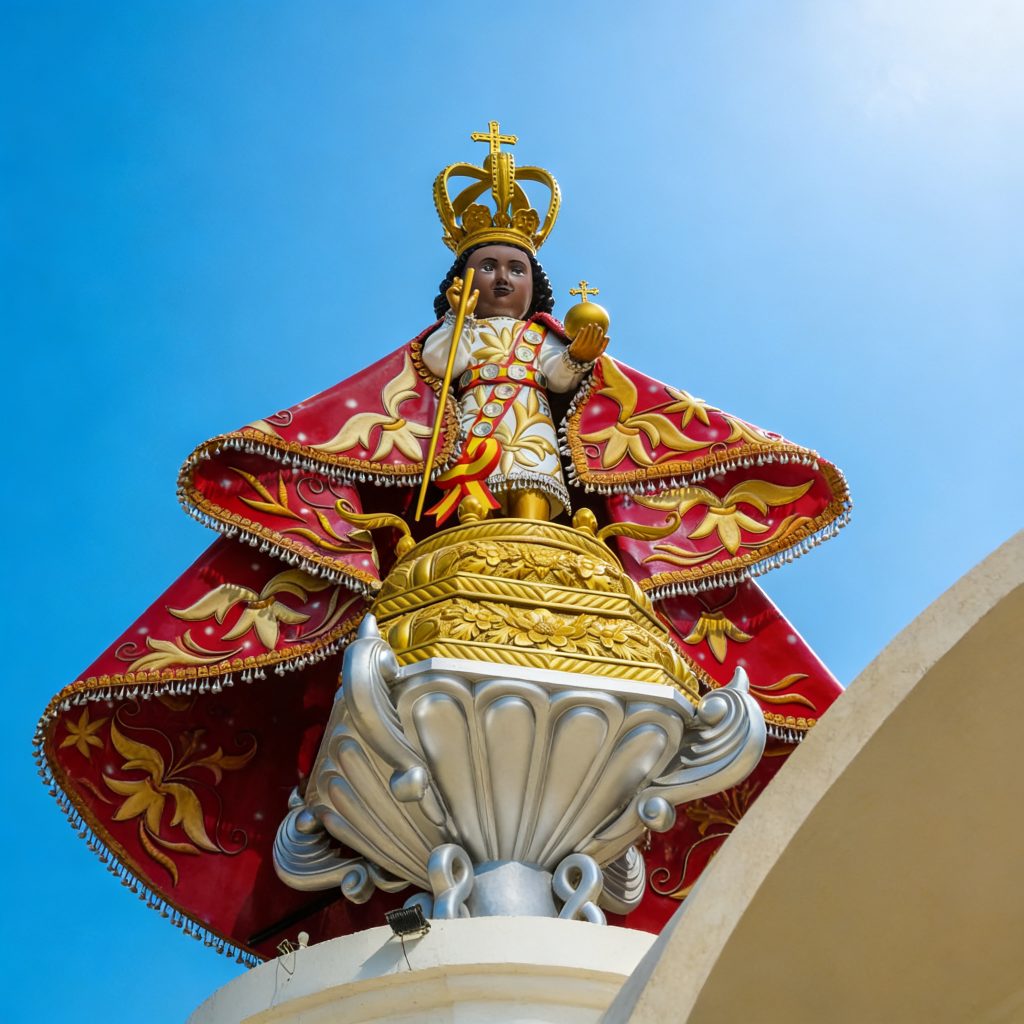
The Santo Niño Cebu devotion is rooted in one of the most significant moments in Philippine Catholic history. When Spanish conquistador Miguel López de Legazpi arrived in Cebu in 1521, he brought with him a wooden image of the Child Jesus, known as the Santo Niño. This sacred image was presented to the wife of the local chieftain, Rajah Humabon, who had recently converted to Catholicism.
Over five centuries, the Santo Niño de Cebu has become the spiritual anchor of the Philippine Church. The devotion is characterized by profound reverence, joyful celebration, and an intimate relationship with the Child Jesus. Unlike devotions that emphasize Christ’s suffering or judgment, the Santo Niño Cebu devotion celebrates the tenderness, innocence, and protective love of Jesus as a child. This unique spiritual perspective has made it deeply resonant with Filipino hearts.
The famous “Viva Pit Señor!” chant—meaning “Long live the Lord!”—echoes through the streets of Cebu City every January during the Sinulog Festival, when nearly five million devotees gather to honor the Child Jesus. This annual celebration demonstrates the living, breathing nature of the Santo Niño Cebu devotion in contemporary Filipino culture. The devotion is not confined to historical memory; it is actively lived, celebrated, and transmitted through music, dance, prayer, and communal worship.
Why Sacred Music Amplifies the Santo Niño Cebu Devotion Experience
Sacred music has always held a central place in Catholic worship and spiritual formation. From the Psalms of the Old Testament to the Gregorian chants of medieval monasteries, music has served as a vehicle for divine grace. Saint Augustine famously wrote, “The sounds flowed into my ears and the truth was distilled into my heart,” describing how music transformed his spiritual journey.
In the context of the Santo Niño Cebu devotion, sacred music serves multiple transformative purposes. First, music transcends linguistic and cultural barriers, allowing devotees from diverse backgrounds to participate in a unified spiritual experience. A Filipino worker in Hong Kong, a second-generation Filipino-American in California, and a pilgrim visiting Cebu City can all be moved by the same hymn, creating a global communion of faith.
Second, sacred music engages the whole person—mind, heart, and spirit. When we sing a devotional hymn, we are not merely reciting theological concepts; we are embodying them, internalizing them, and allowing them to reshape our spiritual consciousness. The melody carries the message deeper into our souls than words alone could achieve.
Third, music creates memorable spiritual anchors. A beautiful hymn heard in childhood can resurface decades later, bringing with it the grace and spiritual insights of that earlier encounter. The Santo Niño Cebu devotion songs produced by the Creative Arts Ministries are designed to become these lasting spiritual anchors for contemporary believers.
The Seven Beautiful Santo Niño Cebu Devotion Songs: A Journey Through Faith
The Catholic Creative Arts Ministries has carefully curated seven sacred compositions that honor the traditional Santo Niño Cebu devotion while incorporating contemporary musical sensibilities. These songs are now available through the new evangelization concert series, accessible via live streaming and mobile-friendly platforms for believers worldwide.
1. The Traditional Gozos: Renewed Acoustic Arrangements
The Gozos are the traditional petition hymns that have been sung by Filipino Catholics for generations. These ancient melodies carry the prayers of countless believers who have sought the intercession of the Santo Niño. The Creative Arts Ministries has re-recorded the Gozos with renewed acoustic arrangements that preserve the spiritual authenticity of the original while making them accessible to modern listeners.
The beauty of this arrangement lies in its simplicity. Using traditional instruments alongside contemporary recording techniques, the Gozos invite listeners into a contemplative space. Whether sung in a packed basilica or listened to on a mobile device during a quiet moment of personal prayer, these hymns create an intimate connection with the Child Jesus. The Santo Niño Cebu devotion is expressed through these timeless melodies, reminding us that our faith is not isolated to our individual moment in history but is part of a great communion of saints stretching back centuries.
2. Bato Balani sa Gugma (Magnet of Love): The Powerful Orchestral Version
“Bato Balani sa Gugma,” which translates to “Magnet of Love,” is perhaps the most beloved devotional song in Cebuano Catholic culture. This hymn captures the essence of the Santo Niño Cebu devotion—the irresistible attraction of Christ’s love drawing all hearts toward Him.
The new orchestral version features a full arrangement with strings, woodwinds, and a powerful choral section. The composition builds gradually, starting with a single voice singing the opening melody, then layer by layer adding instrumental and vocal elements until the full orchestra swells in a magnificent expression of faith. This arrangement is particularly effective for the new evangelization concert series, as it demonstrates how sacred music can reach contemporary audiences without compromising theological depth.
The lyrics of “Bato Balani sa Gugma” speak of the Santo Niño Cebu devotion as a force that draws all people toward Christ. The song acknowledges that this attraction is not based on our merit or worthiness, but on the pure, unconditional love of Jesus. For many Filipino Catholics, this song has become synonymous with their spiritual identity. Hearing it performed with this new orchestral arrangement creates a powerful emotional and spiritual experience that can move even the most hardened hearts toward faith.
3. Santo Niño, Gugma Ko: A Sweet, Reflective Acoustic Ballad
While “Bato Balani sa Gugma” is grand and orchestral, “Santo Niño, Gugma Ko” (Holy Child, My Love) offers a more intimate, contemplative experience. This acoustic ballad features a single vocalist accompanied by gentle guitar and soft strings, creating a space for personal prayer and reflection.
The Santo Niño Cebu devotion, as expressed in this song, becomes deeply personal. The lyrics speak of the devotee’s individual relationship with the Child Jesus, using the language of love and tenderness. This is not the language of fear or judgment, but of a child seeking comfort and protection from a loving parent. For those experiencing loneliness, grief, or spiritual searching, this song offers a gentle invitation to bring their deepest needs to Jesus.
The acoustic arrangement is particularly suited for personal devotional use. Many believers report that they listen to this song during their evening prayers, using it as a bridge between their daily concerns and their spiritual aspirations. The Santo Niño Cebu devotion, expressed through this intimate musical form, becomes a daily companion in the spiritual journey.
4. The Sinulog Dance Theme: A Reverent Yet Joyful Instrumental Arrangement
The Sinulog Festival, held every third Sunday of January in Cebu City, is one of the most vibrant Catholic celebrations in the world. Nearly five million devotees gather to dance, sing, and celebrate the Santo Niño Cebu devotion with infectious joy. The new instrumental arrangement of the Sinulog Dance Theme captures this unique blend of reverence and celebration.
This composition uses traditional Filipino instruments alongside modern orchestration, creating a sound that is both culturally authentic and contemporary. The rhythm is infectious, inviting listeners to move, dance, and celebrate their faith. Yet the arrangement never loses sight of the sacred purpose underlying the celebration—honoring the Child Jesus and seeking His blessings.
The Santo Niño Cebu devotion, as expressed in the Sinulog, teaches an important spiritual lesson: faith is not meant to be somber or joyless. True devotion includes celebration, community, and the expression of joy. This instrumental arrangement makes that lesson accessible to believers worldwide, allowing them to participate in the spiritual energy of Sinulog regardless of their geographic location.
5. Hymn of Thanksgiving: Celebrating Five Centuries of Faith
In 2021, the Catholic Church in the Philippines celebrated five hundred years of faith, marking the anniversary of the arrival of the Santo Niño image in 1521. To commemorate this milestone, the Creative Arts Ministries composed a special “Hymn of Thanksgiving” that celebrates five centuries of the Santo Niño Cebu devotion.
This choral piece features multiple vocal parts, creating a rich harmonic texture that expresses gratitude, wonder, and spiritual continuity. The lyrics trace the journey of faith from the initial conversion of Rajah Humabon through the trials and triumphs of Philippine Catholicism to the contemporary moment. The Santo Niño Cebu devotion is presented not as a relic of the past, but as a living, evolving expression of faith that continues to guide and inspire new generations.
The “Hymn of Thanksgiving” serves an important function in the new evangelization concert series. It reminds listeners that they are not isolated believers, but part of a great historical continuum. The faith they practice today is connected to the faith of their ancestors and will be transmitted to their descendants. This perspective can be profoundly moving, especially for younger Catholics who may feel disconnected from their heritage.
6. The Pilgrim’s Prayer: A Song for Those Visiting the Basilica Minore del Santo Niño
Every year, hundreds of thousands of pilgrims visit the Basilica Minore del Santo Niño in Cebu City. Some come seeking healing, others seeking guidance, and still others simply desiring to deepen their connection with the Santo Niño Cebu devotion. The “Pilgrim’s Prayer” is specifically composed to accompany this sacred journey.
This song captures the spiritual emotions that pilgrims experience as they approach the basilica. There is anticipation, hope, reverence, and a sense of standing on holy ground. The lyrics acknowledge the pilgrim’s personal struggles and spiritual longings, then offer them to the Child Jesus in prayer. The Santo Niño Cebu devotion, through this song, becomes a means of spiritual transformation.
Many pilgrims report that they listen to “The Pilgrim’s Prayer” as they travel to Cebu City, preparing their hearts and minds for the encounter with the sacred image. Others listen to it after returning home, carrying the grace of their pilgrimage experience into their daily lives. The song serves as a spiritual bridge, connecting the extraordinary experience of pilgrimage with the ordinary rhythms of daily life.
7. A Child’s Trust: A Gentle Lullaby-Style Hymn for Spiritual Childhood
The final composition in this collection is “A Child’s Trust,” a gentle lullaby-style hymn that focuses on spiritual childhood. This song draws on the theological insight that Jesus calls us to become like little children—trusting, dependent, and open to wonder. The Santo Niño Cebu devotion, in this context, becomes an invitation to spiritual simplicity and trust.
“A Child’s Trust” features a simple melody that could almost be a lullaby, accompanied by soft instrumental sounds that evoke peace and safety. The lyrics speak of bringing all our worries and fears to Jesus, just as a child brings them to a loving parent. There is no pretense, no complexity, just honest vulnerability and trust.
This song has proven particularly powerful in the new evangelization concert series for reaching those who feel spiritually wounded or distant from the Church. The Santo Niño Cebu devotion, expressed through this gentle composition, offers an invitation to spiritual healing and renewal. Many listeners report that this song has helped them reconnect with a childlike faith they thought they had lost.
How the Santo Niño Cebu Devotion Songs Serve the New Evangelization Mission
The New Evangelization, as articulated by Pope Saint John Paul II and continued by subsequent popes, is directed toward those who have been baptized but have lost a living sense of faith. It is not about converting non-believers, but about re-awakening faith in those who have grown distant from the Church. The Santo Niño Cebu devotion songs produced by the Creative Arts Ministries are specifically designed to serve this mission.
These compositions offer a pathway back to faith that is rooted in beauty rather than judgment, in love rather than condemnation. They acknowledge that many contemporary seekers have been hurt by the Church or have simply drifted away due to life’s pressures and distractions. The Santo Niño Cebu devotion, expressed through these beautiful songs, offers a gentle invitation to return.
Furthermore, these songs are designed for accessibility. They are available through live streaming, mobile-friendly platforms, and multiple languages. An overseas Filipino worker can listen during a lunch break. A young person can discover them through social media. A family can gather around a device to pray together. The Santo Niño Cebu devotion is no longer confined to physical basilicas or traditional worship settings; it is present wherever believers gather, physically or digitally.
Actionable Tips: Incorporating Santo Niño Cebu Devotion Songs Into Your Spiritual Practice
If you are moved by the Santo Niño Cebu devotion songs described in this article, consider these practical ways to incorporate them into your spiritual life:
Create a Daily Devotional Playlist: Select two or three of the Santo Niño Cebu devotion songs and listen to them each morning as part of your prayer routine. This creates a consistent spiritual anchor that shapes your entire day.
Share With Family: Introduce these songs to your children and grandchildren. The Santo Niño Cebu devotion, transmitted through music, becomes a family spiritual heritage that connects generations.
Use During Personal Prayer: When you sit down for personal prayer or meditation, play one of the acoustic or instrumental arrangements in the background. The Santo Niño Cebu devotion songs create a sacred space that facilitates deeper prayer.
Attend Live Concerts: When the Creative Arts Ministries presents live concerts featuring these songs, make an effort to attend. The communal experience of singing together amplifies the spiritual power of the Santo Niño Cebu devotion.
Share on Social Media: Post about your favorite Santo Niño Cebu devotion songs on social media. Your witness may inspire others to explore these beautiful compositions and deepen their own faith.
Integrate Into Parish Worship: If you are involved in parish music ministry, advocate for incorporating these Santo Niño Cebu devotion songs into your community’s worship. They offer contemporary expressions of traditional faith.
The Global Reach of Santo Niño Cebu Devotion Through Music
One of the most remarkable aspects of the new evangelization concert series is its global accessibility. The Santo Niño Cebu devotion, once primarily experienced by those living in or visiting the Philippines, is now reaching Filipino Catholics and faith seekers worldwide.
In Hong Kong, Singapore, the United States, Canada, and throughout the Middle East, overseas Filipino workers are discovering these Santo Niño Cebu devotion songs through streaming platforms. These songs become a spiritual lifeline, connecting them to their homeland, their faith heritage, and their spiritual roots. The Santo Niño Cebu devotion, expressed through music, transcends geographic boundaries.
Additionally, the songs are being translated and performed in multiple languages. English versions make them accessible to non-Filipino Catholics who are drawn to the beauty and depth of this devotion. The Santo Niño Cebu devotion is becoming increasingly recognized as a treasure of the universal Church, not merely a Filipino tradition.
Understanding the Spiritual Significance: Why the Santo Niño Cebu Devotion Matters Today
In a world characterized by anxiety, uncertainty, and spiritual searching, the Santo Niño Cebu devotion offers a countercultural message: we are loved unconditionally by a God who became a child to be close to us. The Child Jesus, as represented in the Santo Niño image, is not distant or judgmental, but tender, protective, and intimately present.
This message is particularly powerful for contemporary believers who have experienced religious trauma or who have been made to feel unworthy of God’s love. The Santo Niño Cebu devotion, through these beautiful songs, offers healing and restoration. It says, “You are loved not because of your achievements or your moral perfection, but simply because you are God’s beloved child.”
Furthermore, the Santo Niño Cebu devotion connects personal faith to communal identity. When a Filipino Catholic sings these songs, they are not only expressing individual faith; they are joining a global community of believers stretching across centuries and continents. This sense of belonging is profoundly spiritual and psychologically healing.
Powerful Conclusion: From Listening to Living the Santo Niño Cebu Devotion
The seven beautiful Santo Niño Cebu devotion songs described in this article represent far more than musical compositions. They are invitations to spiritual transformation, bridges connecting us to centuries of faith, and contemporary expressions of an ancient devotion. Whether you listen to the powerful orchestral arrangements, the intimate acoustic ballads, or the joyful instrumental pieces, you are participating in a living tradition of faith that continues to shape millions of hearts.
The Santo Niño Cebu devotion teaches us that faith is not meant to be abstract or distant. Rather, it is intimate, personal, and deeply connected to our cultural identity and spiritual heritage. Through these songs, the Child Jesus becomes present not as a historical figure, but as a living reality in our contemporary lives.
As you conclude this article, I invite you to take concrete steps to deepen your engagement with the Santo Niño Cebu devotion and your overall spiritual life. First, prepare your heart by receiving the Sacrament of Confession. Bring your struggles, your doubts, and your spiritual wounds to Christ through this healing sacrament. The Santo Niño Cebu devotion begins with acknowledging our need for God’s mercy.
Second, spend time in Eucharistic Adoration. Sit in the presence of the Blessed Sacrament and listen to these Santo Niño Cebu devotion songs in prayer. Allow the beauty of the music to deepen your encounter with Jesus present in the Eucharist. In Adoration, the Santo Niño Cebu devotion becomes not merely something we sing about, but something we experience.
Third, pray the Holy Rosary daily. The Rosary is the prayer of the Filipino people, and it is deeply connected to devotion to Mary and her Child Jesus. As you pray the Rosary, reflect on the mysteries of Christ’s life, and allow the Santo Niño Cebu devotion to deepen your Marian spirituality.
Fourth, gather with your faith community at Holy Mass. Attend Mass regularly, and when possible, participate in the singing of these Santo Niño Cebu devotion songs within the context of the liturgy. The Santo Niño Cebu devotion finds its fullest expression in the Eucharistic celebration, where we are united with Christ and with one another.
Finally, nourish your faith through daily reflection on Sacred Scripture. Read the Gospels, particularly the passages about Jesus as a child and about His love for the little ones. Let Scripture illuminate the spiritual depths of the Santo Niño Cebu devotion and guide your spiritual journey.
The Santo Niño Cebu devotion is not a relic of the past, but a living invitation to encounter the Child Jesus in our contemporary moment. Through these beautiful songs, through the Sacraments, and through daily spiritual practice, we can experience the transformative power of this ancient devotion in our modern lives. May these seven songs accompany you on your spiritual journey, drawing you ever closer to the Heart of Jesus and to the fullness of life in His Church.
For more inspiring updates on Catholic life, teachings, and global Church developments, visit EWTN Vatican to remain connected with the heartbeat of the universal Church.