Finding Strength When the Storm Approaches
“I urge everyone to remain spiritually vigilant and pastorally ready,” Bishop Herman G. Abcede instructed his flock as dark clouds gathered on the horizon. When typhoons and natural disasters threaten our homes and families, the initial reaction is often fear and anxiety. How do we find peace when the winds howl and the floodwaters rise? For generations, the faithful have turned to a source of strength that no storm can wash away. This article explores the profound impact of prayer during crisis in Davao, offering actionable guidance for families seeking both physical safety and spiritual fortitude.
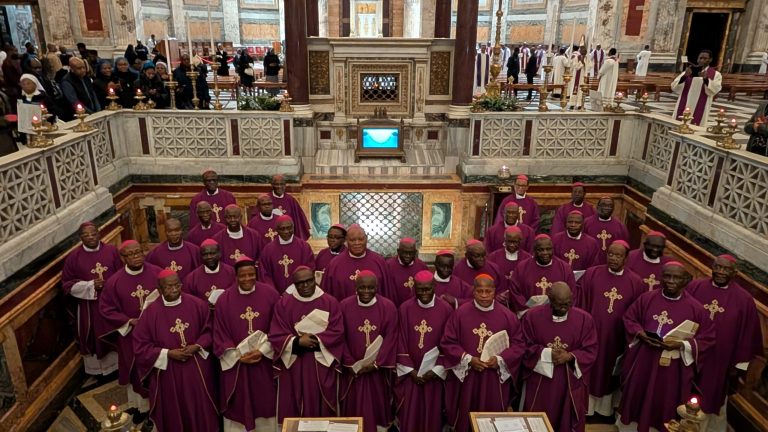
Far from the safety of their homes, hundreds of families gathered in local churches as Typhoon Uwan approached the Philippines. The Diocese activated its disaster protocols, urging clergy and parish leaders to prepare both spiritually and logistically for the storm. In these moments of profound vulnerability, the Catholic Church provides not just material shelter, but a spiritual fortress. The practices we will explore are not merely psychological coping mechanisms; they are profound encounters with the living God who promises to be our refuge and strength.
When a crisis strikes, our minds often race with practical concerns: securing the roof, gathering emergency supplies, and planning evacuation routes. While these logistical steps are absolutely necessary, they are incomplete without spiritual preparation. A family that is physically prepared but spiritually adrift will struggle to weather the emotional and psychological toll of a disaster. Conversely, a family anchored in faith can face even the most devastating circumstances with a profound sense of hope and resilience.
This comprehensive guide will delve into four able practices that form the cornerstone of Catholic disaster response. We will explore how these practices not only provide personal comfort but also build faith community resilience. By integrating these spiritual disciplines into your family’s emergency plan, you can transform a time of fear into an opportunity for profound spiritual growth and solidarity.
The Foundation of Faith Community Resilience
Before we examine the specific practices, it is essential to understand the context in which they operate. In Davao, the parish is more than just a building where Mass is celebrated on Sundays; it is the beating heart of the community. When disaster strikes, the parish often becomes the literal and figurative center of the community’s response.
“Let us transform this difficult moment into an opportunity for solidarity and faith,” Bishop Abcede urged. This call to action highlights the dual nature of the Church’s mission during a crisis. The Church is called to provide immediate material assistance—food, water, shelter—but it is equally called to provide spiritual sustenance. This holistic approach is what makes Catholic disaster response so uniquely effective.
Faith community resilience is not built overnight. It is forged through years of shared prayer, worship, and service. When a typhoon hits, a resilient community does not fracture; it draws closer together. Neighbors check on neighbors, the strong assist the vulnerable, and the entire community unites in prayer. This resilience is a direct fruit of the spiritual practices we will now explore.
The historical context of the Philippines, and Davao in particular, shows a people who have repeatedly faced the wrath of nature. Yet, time and again, it is their unwavering faith that sustains them. The integration of faith into daily life means that when the extraordinary happens, the spiritual tools are already at hand. This is the essence of true preparedness. It is not just about having canned goods and flashlights; it is about having a heart anchored in the promises of Christ.
Practice 1: The Power of the Oratio Imperata Prayer
The first able practice for prayer during crisis in Davao is the recitation of the Oratio Imperata prayer. This traditional Catholic prayer, whose name translates to “Obligatory Prayer,” is issued by a bishop to be prayed by the faithful in his diocese during times of grave need or impending calamity.
The Oratio Imperata prayer is a powerful expression of our collective dependence on God’s mercy and protection. It is not a magical incantation that guarantees physical safety, but rather a humble petition that aligns our will with God’s will. When we pray the Oratio Imperata, we acknowledge our vulnerability and place our trust entirely in the hands of our Creator.
How to Integrate the Oratio Imperata into Your Family Plan
Integrating the Oratio Imperata prayer into your family’s emergency plan is a simple yet profound step. Begin by obtaining a copy of the prayer from your local parish or diocesan website. Print several copies and place them in your emergency supply kit, alongside your flashlights and first aid supplies.
When a typhoon warning is issued, gather your family together and pray the Oratio Imperata aloud. This shared act of prayer can significantly reduce anxiety, especially for children, by shifting the focus from the impending danger to the protective presence of God. Encourage each family member to take turns leading the prayer, fostering a sense of shared spiritual responsibility.
Furthermore, the Oratio Imperata is often recited during the Holy Mass in times of crisis. Participating in these communal prayers strengthens the bonds of faith community resilience, reminding us that we do not face the storm alone. The collective voice of the parish, raised in supplication, is a powerful testament to the enduring strength of the Catholic faith.
The beauty of the Oratio Imperata lies in its specific focus on the current trial. It gives voice to the specific fears and needs of the community at that exact moment. By praying it, we unite our individual anxieties with the collective plea of the entire diocese, creating a powerful chorus of faith that reaches the ears of our Heavenly Father.
Practice 2: The Rosary as a Spiritual Anchor
The second able practice for prayer during crisis in Davao is the devotion to the Holy Rosary. For centuries, Catholics have turned to the Blessed Virgin Mary in times of peril, seeking her maternal intercession and protection. The Rosary is a profound meditative prayer that draws us into the mysteries of Christ’s life, death, and resurrection.
During a crisis, the repetitive and rhythmic nature of the Rosary can be incredibly calming. As the winds howl outside, the gentle cadence of the Hail Marys provides a spiritual anchor, keeping our minds focused on the eternal truths of our faith rather than the temporal chaos surrounding us.
Meditating on the Sorrowful Mysteries
When facing a natural disaster, meditating on the Sorrowful Mysteries of the Rosary can be particularly poignant. These mysteries—the Agony in the Garden, the Scourging at the Pillar, the Crowning with Thorns, the Carrying of the Cross, and the Crucifixion—remind us that Christ Himself experienced profound suffering and vulnerability.
By uniting our fears and anxieties with Christ’s suffering, we find meaning and purpose in our trials. We are reminded that suffering is not the end of the story; it is a pathway to resurrection and new life. This perspective is essential for maintaining hope and faith community resilience in the aftermath of a disaster.
Practical Steps for Praying the Rosary During a Crisis
To make the Rosary a central part of your spiritual preparation, ensure that every family member has their own set of beads. Keep spare Rosaries in your emergency kit. If you are forced to evacuate to a parish center or public shelter, praying the Rosary together can create a sacred space amidst the chaos.
Encourage your family to pray the Rosary daily, not just when a storm is approaching. This consistent practice builds a reservoir of spiritual strength that can be drawn upon when a crisis strikes. As you pray, offer specific intentions for the safety of your community, the wisdom of local leaders, and the courage of first responders involved in the Catholic disaster response.
The Rosary is also a deeply communal prayer. Even when prayed alone, it unites the individual with the universal Church. In times of crisis, knowing that millions of other Catholics around the world are praying the same prayers offers a profound sense of solidarity and comfort.
Practice 3: Finding Refuge in Eucharistic Adoration
The third able practice for prayer during crisis in Davao is spending time in Eucharistic Adoration. While this practice may seem difficult to maintain during an active typhoon, it is a crucial component of long-term spiritual preparation and recovery.
Eucharistic Adoration is the practice of praying before the Blessed Sacrament, the true presence of Jesus Christ in the Eucharist. In the silence of Adoration, we are invited to lay our burdens, fears, and anxieties at the feet of the Lord. It is a time of profound intimacy and spiritual renewal.
The Calming Presence of Christ
“Come to me, all you who labor and are burdened, and I will give you rest” (Matthew 11:28). This invitation from Christ is profoundly realized in Eucharistic Adoration. When the world around us feels chaotic and unpredictable, the quiet presence of Christ in the Eucharist offers an unshakable peace.
Many parishes in Davao offer regular hours for Eucharistic Adoration. Making this a regular part of your spiritual life builds a deep well of peace that can sustain you during a crisis. When a storm is forecasted, spending an hour in Adoration can help calm your mind and prepare your heart for the challenges ahead.
Adoration as a Source of Strength for Recovery
In the aftermath of a disaster, when homes may be damaged and lives disrupted, returning to Eucharistic Adoration is vital for emotional and spiritual healing. The trauma of a crisis can leave deep wounds, but the healing presence of Christ can restore hope and rebuild faith community resilience.
If your local parish church has sustained damage, the community may gather for Adoration in a temporary location. These moments of shared worship in the midst of devastation are powerful testaments to the enduring nature of the Catholic disaster response. They remind us that the Church is not a building, but the living Body of Christ.
The silence of Adoration is particularly healing after the deafening noise of a storm. In that silence, God speaks to the heart, offering reassurance and the strength needed to begin the arduous process of rebuilding. It is in Adoration that we find the grace to forgive, to hope, and to love even when everything else has been stripped away.
Practice 4: Grounding Ourselves in Sacred Scripture
The fourth able practice for prayer during crisis in Davao is the reflection on Sacred Scripture. The Word of God is a lamp unto our feet and a light unto our path, especially when the path is obscured by the darkness of a crisis.
Scripture is filled with accounts of God’s people facing seemingly insurmountable trials—storms, floods, famines, and exile. In every instance, God remains faithful to His promises. Reading and reflecting on these accounts provides profound comfort and assurance that God is with us in our current struggles.
Selecting Passages for Comfort and Courage
As part of your spiritual preparation, select specific Scripture passages that speak to God’s protection and providence. Write these passages down and keep them in your emergency kit. Some powerful verses to consider include:
Psalm 46:1-3: “God is our refuge and our strength, an ever-present help in distress. Therefore we fear not, though the earth be shaken and mountains plunge into the depths of the sea.”
Isaiah 43:1-2: “Do not fear, for I have redeemed you; I have called you by name: you are mine. When you pass through the water, I will be with you; in the rivers you shall not drown.”
Philippians 4:6-7: “Have no anxiety at all, but in everything, by prayer and petition, with thanksgiving, make your requests known to God. Then the peace of God that surpasses all understanding will guard your hearts and minds in Christ Jesus.”
Lectio Divina During a Crisis
When a storm is raging outside, gather your family and practice Lectio Divina (Divine Reading) with these selected passages. Read the passage slowly and prayerfully. Allow a moment of silence for the words to sink in. Then, invite each family member to share a word or phrase that stood out to them and how it speaks to their current feelings.
This practice not only provides comfort but also fosters deep spiritual communication within the family. It shifts the focus from fear to faith, reinforcing the principles of Catholic disaster response within the domestic church.
The stories of the Bible are not just ancient history; they are living realities that speak directly to our present circumstances. When we read about Jesus calming the storm on the Sea of Galilee, we are reminded that He has the power to calm the storms in our own lives, both literal and metaphorical.
The Role of the Parish in Catholic Disaster Response
While personal and family prayer are essential, they are intrinsically linked to the broader Catholic disaster response coordinated by the parish and diocese. In Davao, the parish is often the first line of defense and the primary source of support during a crisis.
Parish-based disaster response teams are trained to provide both logistical and spiritual support. They organize evacuation centers, distribute relief supplies, and coordinate communication. But their work is
Second, commit to spending time in Eucharistic Adoration. In the quiet presence of the Blessed Sacrament, you will find the strength to weather the fiercest storms and the peace that surpasses all understanding.
Third, pray the Holy Rosary daily. Entrust your family and your community to the maternal protection of the Blessed Virgin Mary, who stood faithfully at the foot of the Cross and will stand with you in your times of trial.
Fourth, actively participate in the Holy Mass and receive the Eucharist. The Eucharist is the source and summit of our faith, the spiritual nourishment that sustains us through every hardship and builds true faith community resilience.
Finally, immerse yourself in Sacred Scripture. Let the Word of God be the foundation upon which you build your life, so that when the rains fall and the floods come, your house will stand firm.
All guidance and resolutions provided here remain fully aligned with official Catholic Church teaching and tradition, emphasizing spiritual conversion rather than secular or purely psychological solutions. To remain informed about Catholic life, teachings, and global Church developments, and to find more resources on Catholic disaster response, please visit www.ewtnvatican.com for trusted Catholic news and resources. May God bless and protect you and your families.